
In 2026, Florida finds itself at a pivotal moment in the history of property taxation, with a wave of reform proposals poised to redefine how homeowners and businesses bear the burden of real estate taxes. This new legislative surge responds not only to years of rapid home value appreciation across coastal and metropolitan areas but also to growing concerns about tax fairness, affordability, and the sustainability of essential public services. The proposed changes target fundamental elements of Florida’s property tax system—from sweeping reductions and partial eliminations of homestead taxes to nuanced expansions of exemptions for seniors and small businesses. Understanding these reforms is critical for anyone invested in Florida real estate, whether as a homeowner, prospective buyer, or real estate professional navigating the housing market dynamics and the tax impact these new measures might bring.
In brief:
- Several constitutional amendments and bills aim to remove or cut non-school homestead property taxes, with some proposals accelerating tax relief through phased reductions.
- Senior citizens stand to gain from targeted exemptions designed to protect fixed-income households amid increased property valuations.
- Adjustments to the Save Our Homes (SOH) cap seek to curb the growth rate of assessed property values, crucial in rapidly appreciating Florida markets.
- New reforms propose assessment caps for first-time homeowners and small businesses, providing relief from sudden tax spikes after property transactions.
- The debate includes concerns that local governments may face funding gaps, necessitating alternative revenue sources to maintain public safety and infrastructure.
Major Proposals Reshaping Florida Property Tax Policy for Homeowners
Florida’s 2026 property tax reform initiatives represent one of the most ambitious legislative cycles in recent memory. Central elements involve adjustments to the homestead exemption, Save Our Homes provisions, and the treatment of non-school taxes. For thousands of homeowners across cities like Miami, Tampa, Orlando, and Sarasota, these reforms promise to alleviate longstanding tax pressures or, alternatively, signal potential shifts in local funding dynamics.
Among the most notable is House Joint Resolution 201 (HJR 201), which seeks to completely eliminate non-school homestead property taxes. This measure would exempt homeowners from county, city, and special district taxes, leaving only school district levies intact. The effect would be profoundly significant in counties with typically high millage rates such as Miami-Dade and Broward, potentially translating into tens of thousands saved annually for owners of high-value homes.
Parallel to this is HJR 203, offering a phased ten-year elimination approach for non-school homestead taxes. This gradual reduction helps temper the immediate fiscal impact while promising eventual substantial relief, especially important for rapidly appreciating areas where real estate values and thus taxable assessments have surged.
Additionally, HJR 207 introduces a new 25% homestead exemption on the assessed value after existing exemptions, injecting further relief without full tax elimination. Complementing these is HJR 209, which uniquely links tax exemptions to property insurance coverage — a nod to concerns in coastal Florida about rising insurance costs and risk factors.
These proposals illustrate a clear trend: the legislative push to lighten the property tax burden on permanent Florida residents while acknowledging the state’s fiscal realities. Homeowners who have long felt the pinch of increasing property valuations are the immediate beneficiaries, yet these changes require nuanced consideration of their long-term implications on municipal budgets and community services.
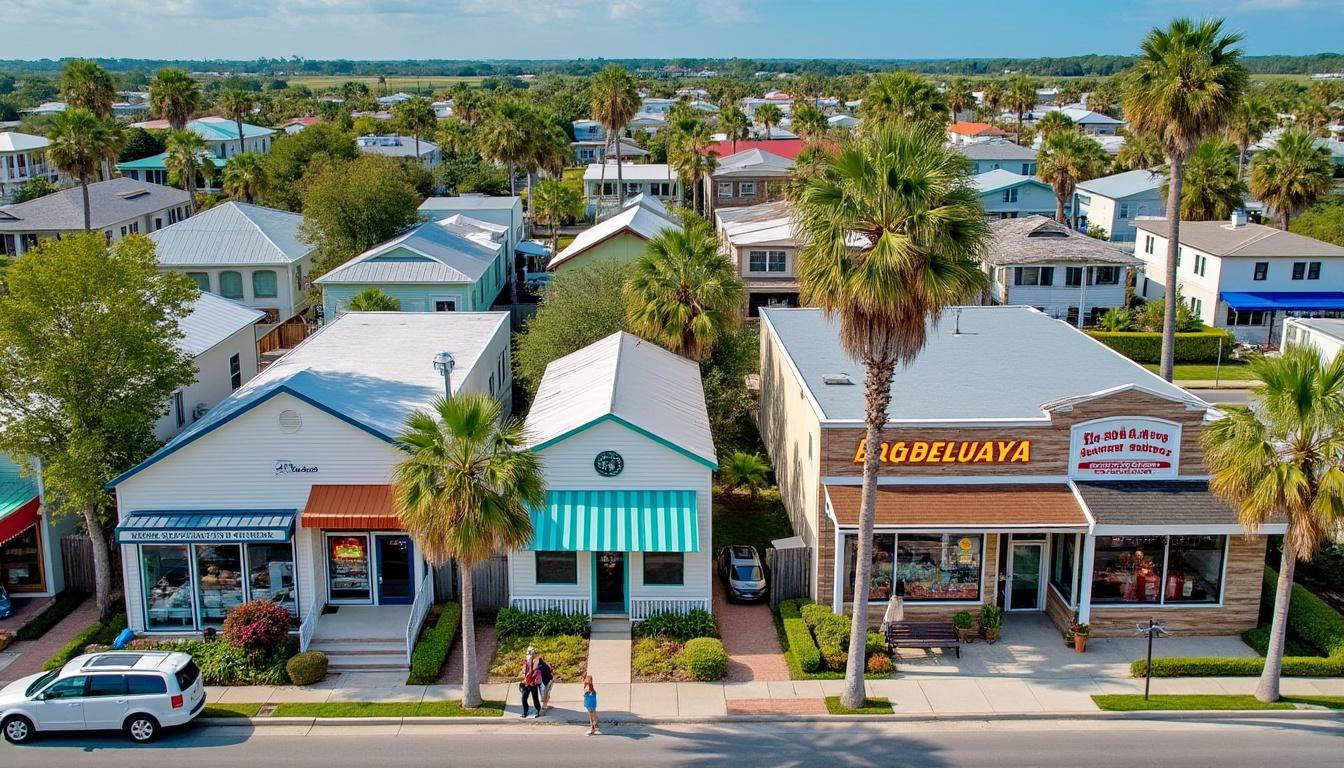
Senior Homeowner Benefits and Protections Under New Tax Reform Measures
Florida’s demographic landscape—with its large and growing retiree population—features prominently in the 2026 property tax reform discourse. Lawmakers have introduced targeted measures to cushion seniors against rising property tax costs, reflecting policy recognition of fixed-income vulnerability among aging homeowners.
House Joint Resolution 205 (HJR 205) proposes an additional non-school homestead exemption specifically for homeowners aged 65 and older, contingent on income and continuous residency, providing a much-needed buffer against tax hikes. The Senate complements these efforts with SJR 270, which adds criteria such as a minimum homestead tenure and inflation-indexed income thresholds to finely tailor senior tax relief.
These provisions aim to support long-term residents in markets like Naples, Sarasota, and coastal retirement communities, where explosive real estate appreciation has pushed taxes to difficult levels. The relief is not merely fiscal; it enables seniors to remain in their homes without the risk of financial displacement caused by steep tax increases. From a social policy perspective, this targeted exemption blends tax fairness with demographic sensitivity.
For example, a retired couple in Sarasota who have owned and lived in their home for over 30 years might experience a freeze on assessment growth or a newfound exemption, significantly reducing their annual property tax bill. This contrasts sharply with new homeowners who can face assessment increases adjusting to market rates immediately.
Such exemptions, however, must be balanced against their fiscal impact on local governments reliant on property taxes to fund health services, law enforcement, and infrastructure — a balancing act that will unfold as these bills progress. Advocates emphasize the importance of seniors’ financial security, while critics caution about the strain this might place on community services.
Save Our Homes Cap Adjustments and Protections for Long-Term Property Owners
The Save Our Homes (SOH) cap, in place for over three decades, limits the annual increase of assessed value on homestead properties to 3%, shielding owners from sharp valuation spikes. The 2026 proposals address this framework with significant modifications, reflective of recent market volatility.
HJR 67 recommends lowering the SOH cap from 3% to 1.5%, or to the Consumer Price Index (CPI), whichever is lower. This change would slow the growth of assessed values even further, thereby dampening tax increases in booming neighborhoods. Such a move directly benefits homeowners in red-hot markets like Miami and Tampa, where property appreciation rates have repeatedly outpaced the statutory cap.
Further protections are found in Senate Joint Resolution 274 (SJR 274), offering long-term owners a freeze on assessed values after 20 years of continuous homestead residency, plus an additional 50% non-school exemption after 30 years. This targets retirees and long-standing residents, securing their property tax exposure against the erosive effects of relentless appreciation.
The combination of these measures encourages homeownership stability, shielding families from unexpected increases and promoting community continuity. However, there remains concern that reduced property valuations can squeeze local government revenues, potentially affecting public service budgets.
Key benefits of these SOH cap reforms include:
- Greater predictability for homeowners concerning tax bills
- Protection of long-term residents against garnished equity due to valuation inflation
- Incentives for community retention and neighborhood stability
While these caps provide homeowners with security, the broader tax reform ecosystem must reconcile their impact on municipal finance to balance relief with adequate public funding.
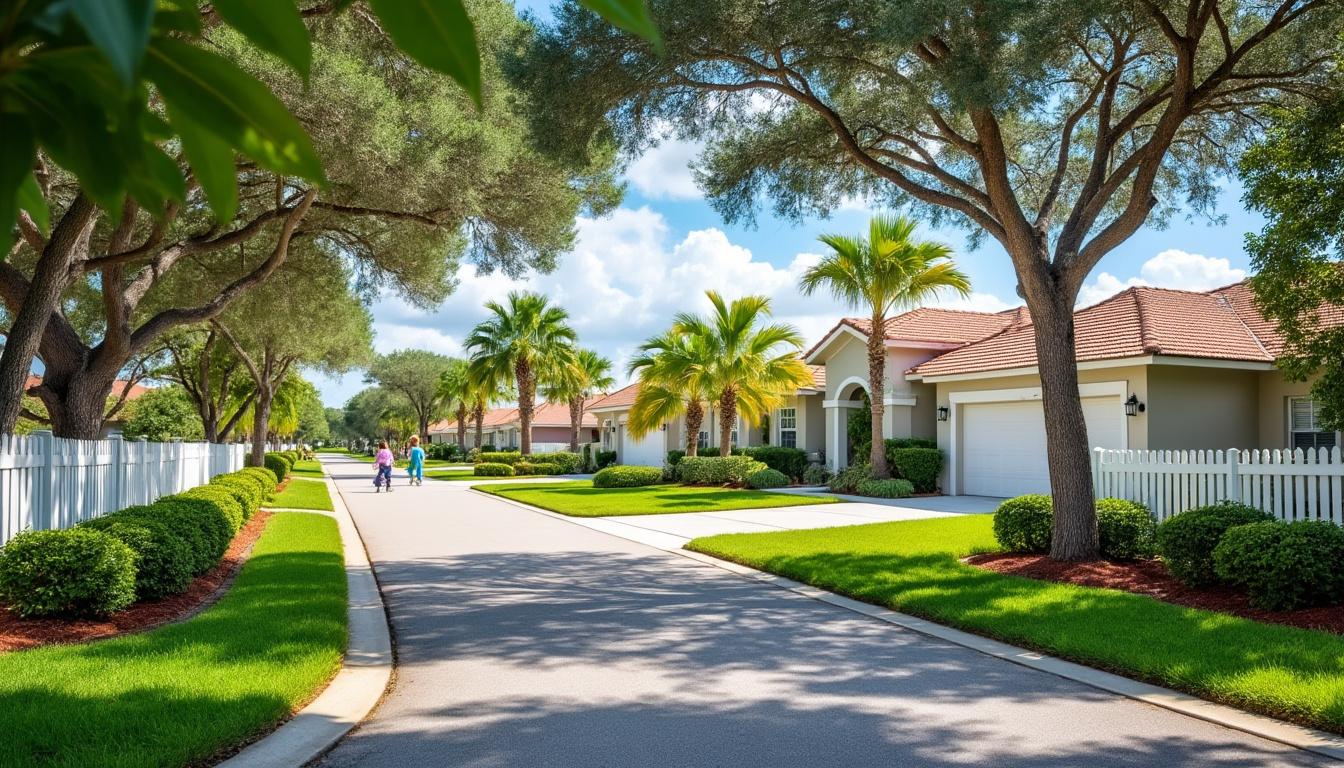
Assessment Caps for New Buyers and Small Businesses Enhance Market Stability
Sudden tax increases following property sales have long troubled new homeowners and small business owners in Florida. The 2026 legislative slate seeks to address these challenges through cap mechanisms aimed at smoothing the transition of assessed values post-sale.
Senate Joint Resolution 278 (SJR 278) focuses on new homesteads under an assessed value threshold—commonly around $500,000—capping reassessment increases to prevent sticker shock for first-time buyers and those moving within Florida. By limiting dramatic jumps in taxable value, SJR 278 makes homeownership more accessible and less financially stressful for many Floridians.
Similarly, SJR 282 proposes a 3% or CPI annual assessment cap on qualifying small-business real estate, offering predictability that can encourage business investment and growth. Property tax volatility has historically deterred small enterprises from expanding or establishing roots, so this measure presents a step forward in the commercial real estate tax landscape.
The combination of limits for new buyers and protections for small businesses aligns with broader efforts to stabilize Florida’s housing market and economic environment. By reducing unexpected tax burdens, these reforms support market entry and long-term investment, both crucial to Florida’s growth and resilience.
Summary of impact for buyers and businesses:
| Proposal | Target Group | Benefit | Geographic Impact |
|---|---|---|---|
| SJR 278 | New Homestead Buyers | Limits reassessment spikes under $500,000 | Statewide, especially growing Central Florida areas |
| SJR 282 | Small-Business Property Owners | Caps annual assessed value growth at 3% or CPI | Urban and suburban commercial zones |
For more detailed insights about property-tax caps and implications for Broward County homeowners, see understanding Broward County property taxes in 2026.
Potential Challenges and Long-Term Effects of Property Tax Reform on Florida Communities
While Florida’s ambitious reform packages offer clear tax relief for many homeowners, they simultaneously raise concerns about fiscal sustainability and local government services. Property tax revenues historically underpin critical services like schools, law enforcement, fire protection, emergency medical services, parks, road maintenance, and environmental initiatives.
The Revenue Estimating Conference projected a potential loss upwards of $14.7 billion annually in local non-school property tax revenue if some proposals—a complete elimination of non-school homestead taxes, for example—come to fruition. This funding shortfall presents a dilemma: how to maintain essential community services without shifting the tax burden unfairly elsewhere.
Critics warn that local governments might resort to increasing sales taxes or other fees, disproportionately impacting renters and lower-income households. Florida already ranks among the states with the most regressive tax structures, where sales taxes weigh heavily on the poorest residents.
Democratic leaders have voiced concerns that proposals like HJR 203 could result in stagnant or insufficient funding for law enforcement and first responders over time, potentially eroding public safety and quality of life amid demographic growth.
On the other hand, proponents argue these reforms will spur the housing market by making ownership more affordable, attracting new residents to Florida’s booming real estate environment. They also contend that improved tax relief for seniors and long-term residents strengthens community stability.
Floridians contemplating their investment and living choices must weigh these complex outcomes, balancing immediate tax savings against the evolving funding landscape for the services that support daily life.
For an exhaustive review of the upcoming ballot measures and their detailed provisions, Moffa Tax Law provides a comprehensive guide to Florida’s property tax relief proposals. The evolving legislative landscape will require homeowners and investors alike to stay informed and proactive to maximize benefits and understand new responsibilities.