
Flammability is a property that sparks curiosity and debate across scientific and educational communities alike. At its core, flammability refers to a material’s ability to ignite and sustain burning, a crucial characteristic that determines fire hazards in numerous settings, from industrial plants to household products. Understanding whether flammability is a physical property or a chemical property requires a solid grasp of the underlying scientific principles governing the behavior of matter, energy changes, and chemical reactions. This analysis not only clarifies a fundamental concept in material science but also shapes practical approaches to safety, handling, and classification of substances based on their combustibility.
In 2026, fire safety remains a paramount concern in many industries, particularly with growing urbanization and complex industrial processes. The distinction between physical and chemical properties impacts how engineers, scientists, and safety professionals classify substances and design preventive measures. Delving deep into the science behind flammability reveals its multifaceted nature, rooted primarily in chemical transformations, yet influenced by physical factors such as material state and environmental conditions.
This detailed exploration draws on diverse examples ranging from everyday objects like wood and paper to highly combustible industrial chemicals. It integrates recent scientific understanding and testing methodologies that measure and evaluate flammability, enhancing our ability to manage risks effectively. By appreciating the nuances of flammability through scientific eyes, one can better navigate the intricacies of material classification and fire prevention strategies in today’s technologically advanced and safety-conscious world.
Key Points in Brief:
- Flammability is fundamentally a chemical property, involving a chemical reaction with oxygen that transforms the original substance.
- Physical properties relate to characteristics measurable without altering chemical identity, while chemical properties describe the reactivity and transformation of matter.
- Chemical reactions during combustion produce new substances like carbon dioxide and water, evidencing why flammability is chemically based.
- Physical factors such as temperature, surface area, and concentration significantly affect how easily a material ignites and burns.
- Understanding flammability integrates knowledge from material science, energy changes, and ignition phenomena critical for safety and innovation.
How Physical Properties Differ from Chemical Properties in Material Science
Distinguishing between physical and chemical properties is foundational to chemistry and the broader field of material science. Physical properties can be observed or measured directly without altering the substance’s chemical structure. For example, color, density, melting point, and electrical conductivity all fall under physical properties. These aspects describe how matter behaves in certain environments or conditions, yet the intrinsic chemical identity remains unchanged. Ice melting into water serves as a classic illustration—though the state changes from solid to liquid, water’s chemical composition continues to be H2O.
Table 1 below summarizes critical physical properties and their characteristics:
| Physical Property | Description | Example |
|---|---|---|
| Color | Visual characteristic determined by light absorption/reflection | Gold’s yellow hue |
| Density | Mass per unit volume influencing buoyancy and weight | Lead is denser than aluminum |
| Melting Point | Temperature at which a solid becomes liquid | Ice melts at 0°C |
| Electrical Conductivity | Ability of a material to conduct electricity | Copper as a conductor |
These properties are critical for graphing, identification, and application purposes without involving energy changes that alter chemical makeup. According to material science explanations, understanding physical properties is essential to prediction and usage, but they do not intrinsically explain flammability, which involves combustion and molecular transformation.
Unveiling Chemical Properties: The Core of Flammability
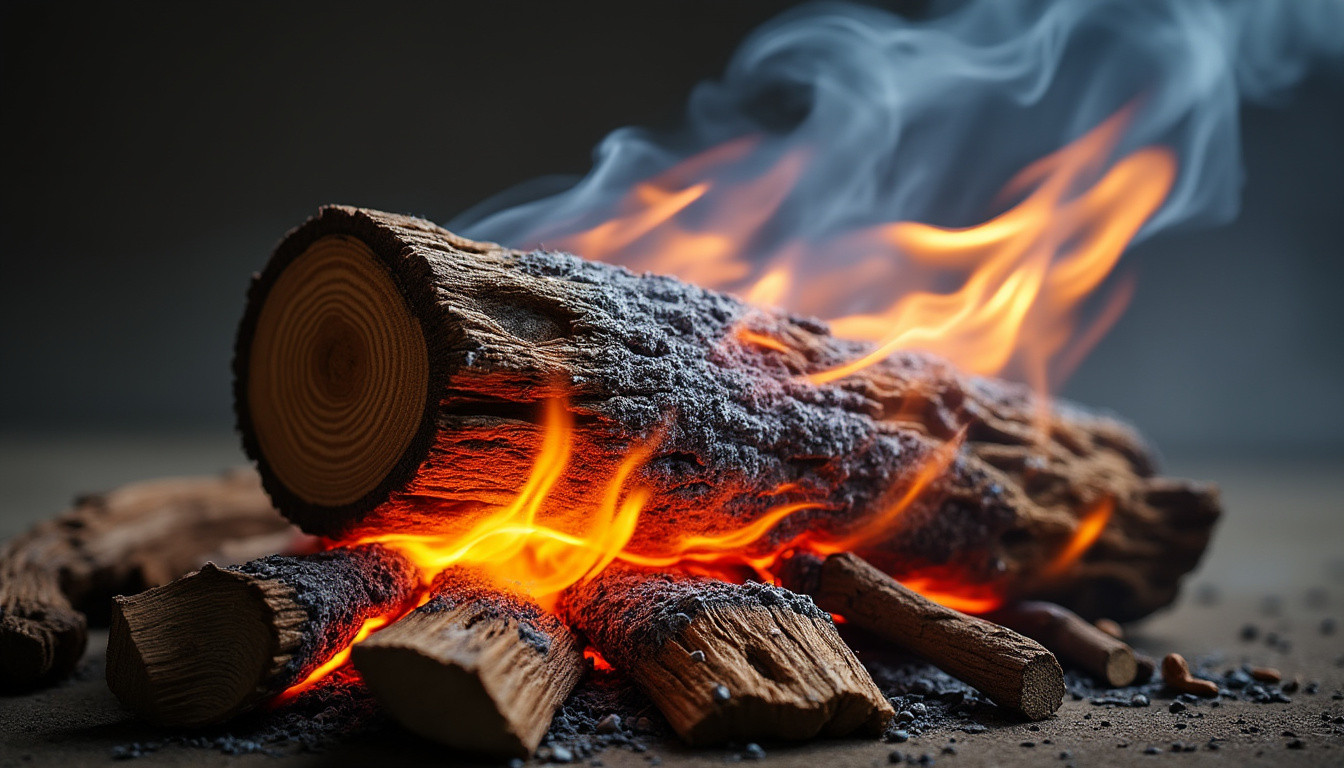
Chemical properties describe the potential a substance holds to change into entirely different substances via chemical reactions. Flammability clearly fits this category because combustion involves a chemical reaction between a flammable material and oxygen, usually producing carbon dioxide, water, and other compounds. This transformation alters the chemical composition irrevocably, distinguishing flammability from purely physical properties.
Various chemical properties include reactivity, acidity, basicity, oxidizing and reducing abilities, corrosion, and, notably, flammability itself. Observing these properties always requires the occurrence of a chemical change. For example, iron rusting is a chemical property visible when iron reacts with oxygen to form iron oxide. Similarly, when wood burns, cellulose molecules decompose, evaporate, and reconstitute into distinct compounds, marking a definitive chemical reaction indicative of flammability.
The complex interplay of matter and energy during combustion underscores the essential nature of flammability as a chemical property:
- Energy Change: Heat and light emission during burning indicate exothermic reactions.
- Molecular Transformation: Original molecules are replaced by new ones like CO2 and H2O.
- Reaction with Oxygen: Oxygen acts as an oxidizer facilitating combustion.
Understanding flammability this way reinforces the classification found in many scientific resources, including Introductory Chemistry literature that places flammability in the chemical realm due to the permanent chemical change involved.
Critical Factors Influencing Flammability Beyond Chemical Nature
While flammability is fundamentally a chemical property, a deeper dive reveals significant physical factors affecting how materials ignite and burn. These influences do not redefine the intrinsic chemical nature of flammability but modulate the process’s rate and effectiveness. Examples include:
- State of Matter: Gases and volatile liquids, due to higher surface area and vapor availability, generally ignite more easily than solids.
- Surface Area: Finely powdered solids such as dust pose higher fire risks versus bulk solids due to greater contact with oxygen.
- Temperature: Elevated temperatures increase molecular activity and vapor pressures augmenting flammability.
- Concentration: Burnable mixtures must be between the lower explosive limit (LEL) and upper explosive limit (UEL).
Such aspects reflect the physical environment and configuration crucial for ignition and combustion sustainability. This explains why safety protocols focus not only on the chemical nature of substances but also on controlling temperature, ventilation, and concentration of flammable vapors.
Integrating both chemical and physical perspectives provides a nuanced understanding of flammability, useful for designing safer industrial processes and household practices alike. For practical evaluations and safety data sheets (SDS), these combined considerations help classify material hazards according to standards such as NFPA ratings.
Real-World Examples and Applications Demonstrating Flammability’s Chemical Classification
Examining common flammable substances exemplifies how combustion transforms materials chemically, supporting the argument that flammability is a chemical property. Consider these cases:
| Substance | State | Common Use | Combustion Products |
|---|---|---|---|
| Methane (CH4) | Gas | Fuel for heating and cooking | CO2, H2O |
| Ethanol (C2H5OH) | Liquid | Solvent, alcoholic beverages | CO2, H2O |
| Wood | Solid | Construction, fuel | CO2, H2O, ash |
| Gasoline | Liquid | Automotive fuel | CO2, H2O |
Combustion breaks these substances into entirely different molecular structures, confirming the chemical property classification. These examples are integral to fire safety planning and industrial standards, where understanding how ignition leads to molecular change is paramount.
Exploring Advanced Measurement Techniques and Safety Protocols in Flammability
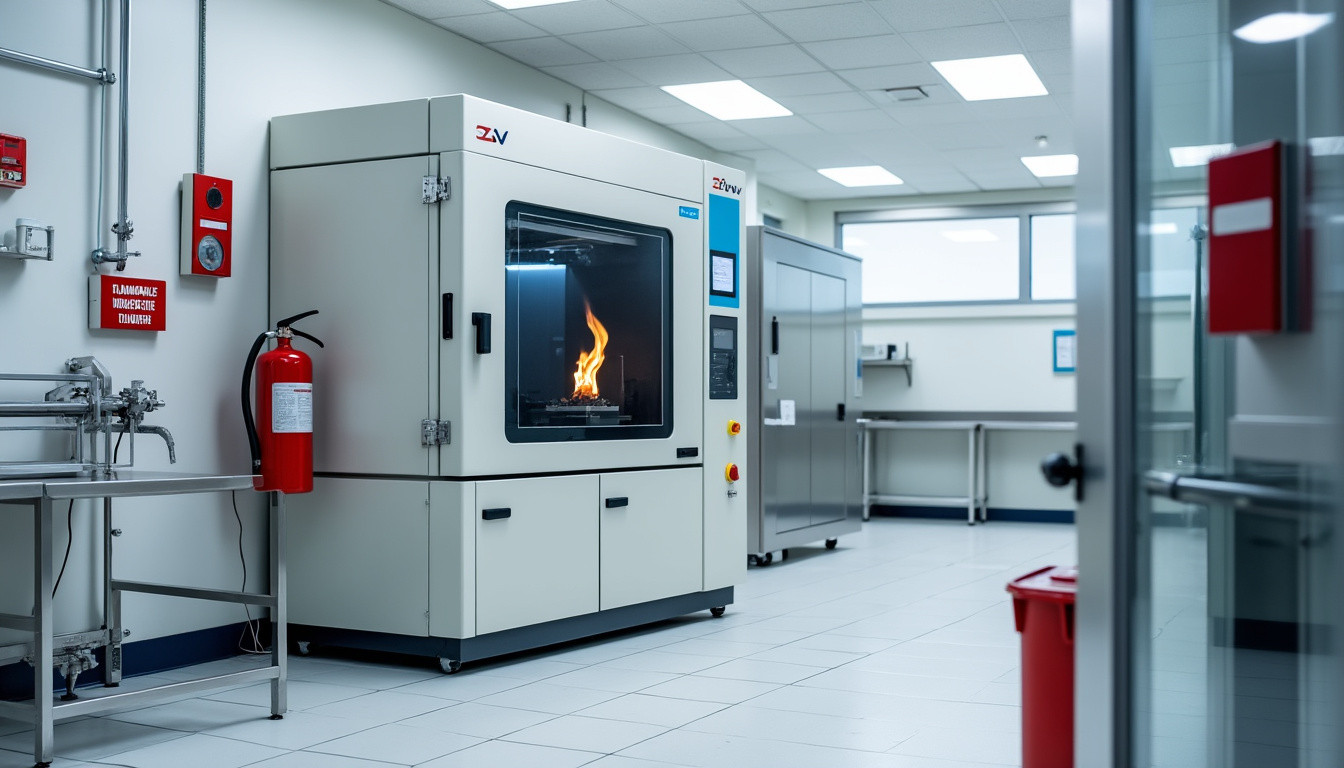
In modern scientific and industrial contexts, precise measurement of flammability is vital to ensure safety and compliance. Several sophisticated analytical techniques evaluate the combustion behavior and flammability thresholds of materials:
- Cone Calorimetry: Quantifies heat release rate during burning, a key metric for fire hazards.
- Limiting Oxygen Index (LOI): Determines minimum oxygen concentration needed to sustain combustion.
- Thermogravimetric Analysis (TGA): Assesses mass loss as material decomposes with heat, revealing thermal stability.
These techniques provide standardized data supporting material classification and regulatory policies. Safety considerations rooted in such test results drive the adoption of preventive measures like flame-resistant coatings, controlled storage, and fire suppression systems.
Additionally, understanding the activation energy concept—the energy barrier to ignite combustion—helps contextualize flammability. Substances requiring low activation energy ignite easily, posing higher fire risks. This knowledge informs both material design and emergency response planning.
Effective fire safety strategies encompass:
- Proper ventilation to disperse flammable vapors.
- Strict removal or control of ignition sources such as open flames or sparks.
- Utilization of flame-retardant materials in construction and apparel.
- Installation of automatic fire suppression systems.
- Appropriate, secure storage of flammable substances.
Recognizing flammability as a chemical property, influenced by physical conditions, empowers professionals across disciplines to mitigate fire hazards responsibly, ensuring safer environments in homes, industries, and public spaces.