
Understanding who holds the responsibility for the rental property walk through inspection in California is essential for both landlords and tenants navigating the rental process. These inspections serve as crucial checkpoints, helping to detail the state of the property at key moments during a tenancy—primarily at move-in and move-out. They provide a framework for assessing damages, clarifying tenant responsibilities, and guiding landlord duties concerning the rental agreement and security deposits. In California, legal guidelines shape how these inspections must be conducted, creating a standardized approach that enhances transparency and fairness. Both parties benefit: landlords can protect their investment by identifying damages that exceed normal wear and tear, while tenants gain the opportunity to understand their obligations and potentially avoid unnecessary deductions from their security deposit.
The significance of walk through inspections extends beyond simple property assessments. These inspections often determine the resolution of disputes related to property damages and cleaning, which are common challenges in property management. Given California’s stringent landlord-tenant laws, especially under Civil Code Section 1950.5, it becomes imperative to understand the correct procedures, timing, and rights involved in these inspections. This article delves into the specifics of rental property inspections in California, discussing who is responsible for conducting them, the legal requirements to observe, and how the process ultimately supports both landlords and tenants in maintaining a smooth rental experience.
By demystifying the walk through inspection process, landlords can avoid costly legal disputes and poorly maintained properties, while tenants can feel confident that their rights are safeguarded. This balance not only fortifies individual rental agreements but contributes to healthier landlord-tenant relationships throughout California’s diverse rental markets.
In brief:
- Landlords are required by California law to offer tenants a pre-move-out walk through inspection to facilitate early identification of repair and cleaning needs.
- Tenants have the right to participate in these inspections and address any issues that may impact their security deposit.
- Failure to conduct proper move-in and move-out inspections can complicate damage assessments and security deposit returns.
- Effective communication and documentation during inspections help minimize disputes and clarify tenant responsibilities.
- The inspection process benefits both parties by ensuring compliance with legal obligations and promoting transparency in the rental agreement.
The Legal Framework of Rental Property Walk Through Inspections in California
Rental property walk through inspections in California operate within a strict legal environment designed to protect both landlords and tenants. Central to this legal framework is the California Civil Code Section 1950.5, which outlines specific obligations and rights related to security deposits, including the requirement to offer a pre-move-out inspection. This regulation mandates that landlords notify tenants of their right to a pre-move-out inspection at least 15 days before the lease ends. The inspection itself is intended to identify potential damages or cleaning requirements before tenants vacate, offering them a chance to address issues proactively and avoid disputes regarding the security deposit deductions.
This law not only clarifies landlord duties but also empowers tenants by mandating their ability to request participation in the inspection, thus promoting fairness. When landlords fail to offer this inspection, they jeopardize their legal position and risk complications when seeking to withhold any portion of the security deposit for repairs. By aligning the walk through inspection process with California’s legal standards, landlords effectively manage their properties while ensuring they respect tenant rights as outlined in the rental agreement.
Notably, the law also prescribes the timing and notification requirements landlords must meet. Written notice must be provided no less than 48 hours before the inspection and scheduling must occur with mutual agreement on a date falling within two weeks before the lease termination. Tenants can decline the inspection, but landlords are advised to have this refusal documented in writing to safeguard against later disputes. The legal framework, therefore, emphasizes the importance of clear communication, proper documentation, and adherence to scheduled timelines.
Landlords benefit considerably from understanding and utilizing this legal structure. It helps them differentiate between damages caused by tenant negligence and normal wear and tear, a distinction critical when making decisions about deductions from the security deposit. Tenants, for their part, gain a fair opportunity to remedy any problems, reducing the risk of unexpected charges. For a concise guide on the legal considerations landlords face during pre-move-out inspections, the resources found at The LPA’s California pre-inspection guidelines provide detailed insights into compliance obligations.

Roles and Responsibilities: Who Conducts the Walk Through Inspection?
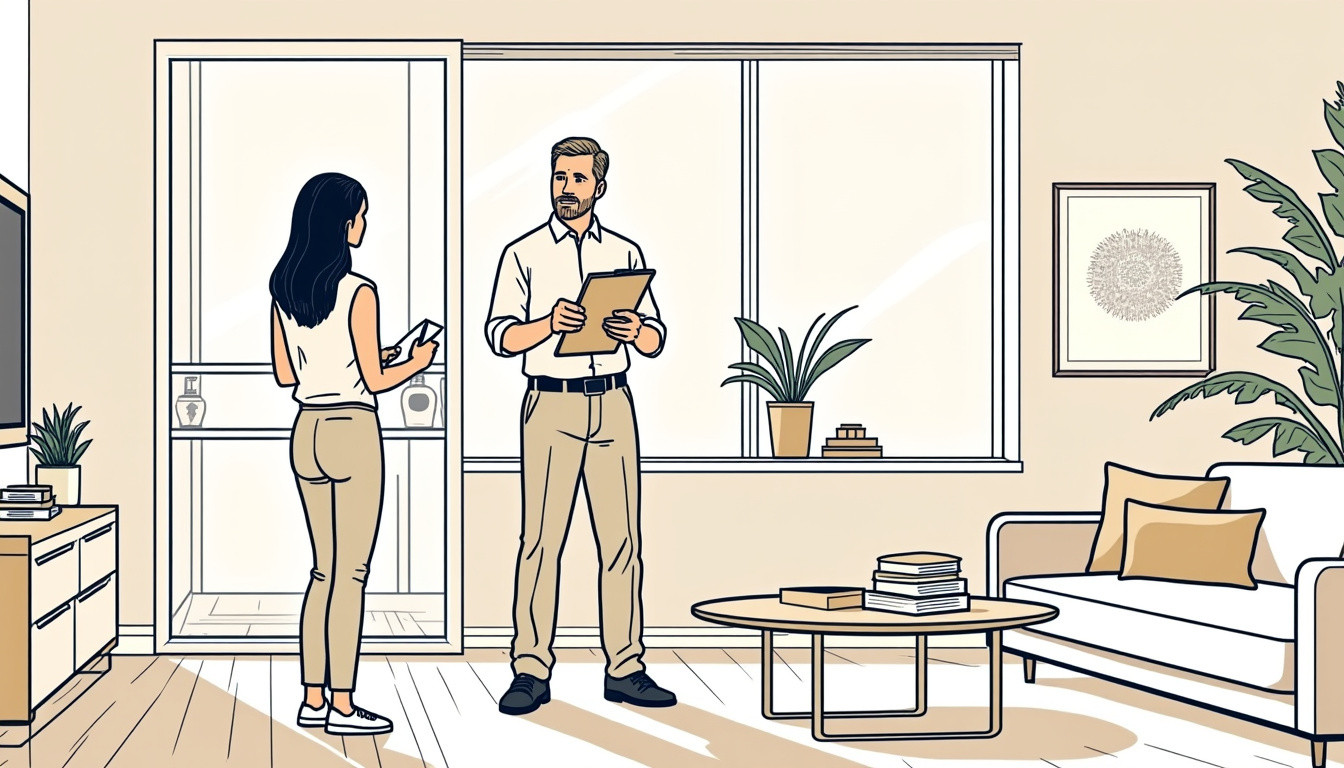
Determining who is responsible for conducting rental property walk through inspections in California involves understanding both landlord duties and tenant rights through the lifecycle of a rental agreement. Typically, the landlord or their authorized agent conducts these inspections, as they hold the responsibility to preserve the property’s condition and ensure it aligns with the standards stipulated in the rental agreement.
However, the tenant actively participates in the walkthrough to acknowledge and discuss any damages or cleaning issues found during the inspection. Their involvement is critical because it creates a transparent dialogue about the condition of the rental unit, preventing misunderstandings and allowing the tenant to take corrective actions before finalizing their move-out. This collaborative approach is not simply recommended but required by law under California statutes governing rental property inspections.
The logistics of who performs the inspection can vary. In some cases, property management companies handle walk-through inspections on behalf of landlords, particularly for larger portfolios where direct landlord involvement is impractical. These professionals bring expertise in damage assessment and legal requirements, ensuring the inspection process meets regulatory standards without bias and helps protect the landlord’s investment. Still, landlords must ensure the tenant receives proper notification and consent for the inspection to adhere strictly to California laws.
A detailed breakdown of landlord and tenant responsibilities during the inspection typically includes:
- Landlord or agent’s role: Scheduling the inspection, notifying the tenant in writing, conducting a thorough property assessment, documenting damages and maintenance needs, and providing a detailed repair list after the inspection.
- Tenant’s role: Participating in the walk through, reviewing documented damages, understanding cleaning and repair expectations, completing repairs or cleaning tasks where necessary, and preparing the property for final move-out inspection.
This clear allocation of responsibilities ensures both parties engage cooperatively and reduces conflict. Moreover, because the landlord must return the security deposit within 21 days after the tenant vacates—minus reasonable deductions—the thoroughness of this inspection greatly influences how smoothly this refund process transpires.
For additional guidance on the walk-through process and landlord entry rights in California, landlords and tenants can consult property management resources on landlord entry laws to understand legal entry limits and tenant notifications.
Executing a Successful Move-In and Move-Out Inspection: Best Practices and Details
Performing effective move-in and move-out inspections is vital in protecting rental property condition and clarifying tenant responsibilities. A comprehensive move-in inspection establishes a baseline for the property’s condition at the start of a tenancy, documenting any pre-existing issues. Without this baseline, landlords face challenges proving liability for damages at move-out, which can complicate the damage assessment and security deposit settlements.
The key elements and best practices for move-in inspections include:
- Thorough documentation: Photographs, videos, and written checklists should capture every aspect of the unit, from walls and floors to appliances and plumbing fixtures.
- Tenant involvement: Encouraging tenants to participate ensures transparency and helps foster goodwill.
- Clear communication: Discussing the condition of the rental unit and outlining tenant responsibilities regarding maintenance helps establish expectations.
- Legal adherence: Ensuring the documentation aligns with California’s legal standards, including timelines for notice and inspection.
At lease termination, the move-out inspection serves to verify the property’s condition against the initial baseline. The California pre-move-out inspection law permits landlords to offer a pre-move-out inspection so tenants can correct damages prior to vacating the property, potentially safeguarding their security deposit.
Key areas landlords should focus on during these inspections include walls, carpets, appliances, windows, doors, plumbing fixtures, and overall cleanliness. For example, landlords must distinguish between damage caused by accidents or neglect and general wear and tear that naturally results from living in a property.
This process is facilitated through a detailed checklist, tools common in property management to aid clear and fair evaluations. Landlords provide a written list of any required repairs or cleaning, giving tenants a set timeframe to make these corrections. Failure to address these repairs may legally justify partial deductions from the security deposit.
Below is a table illustrating typical inspection focal points and tenant vs. landlord concerns during the walk-through:
| Inspection Area | Tenant Responsibilities | Landlord Duties |
|---|---|---|
| Walls & Paint | Repair holes or excessive marks | Notice and differentiate normal wear and tear |
| Floors & Carpets | Deep cleaning or minor damages | Assess carpet condition and approve repairs |
| Appliances | Report malfunctions and clean surfaces | Maintain appliances and confirm working order |
| Windows & Doors | Ensure locks and screens are intact | Repair broken glass or faulty hardware |
| Plumbing/Faucets | Fix leaks or report issues promptly | Ensure plumbing systems are functional |
| General Cleaning | Leave property clean and free of trash | Verify cleanliness and condition before new tenants |
Both move-in and move-out inspections require meticulous records to avoid disputes. For a more comprehensive move-in inspection guide specific to California, resources such as the detailed walkthrough provided by Home Partner Strategies can prove invaluable for landlords and tenants alike. These procedures, when embraced fully, reduce conflict and facilitate smoother tenant transitions.
Navigating Security Deposit Deductions: How the Walk Through Inspection Protects Both Parties
The inspection process is a cornerstone in justifying security deposit deductions, an area rife with misunderstandings and disputes in rental management. In California, landlords may withhold part or all of the security deposit to cover repairs or cleaning costs for damages beyond normal wear and tear, unpaid rent, or other costs permitted by the rental agreement. However, these deductions must be reasonable, clearly documented, and supported by evidence gathered during the walk-through inspections.
From a landlord’s perspective, a properly conducted pre-move-out and move-out inspection offer a solid basis for damage assessment. This ensures tenants are only held responsible for excessive damage or neglect rather than everyday use. For tenants, participating actively in these inspections provides a chance to identify and remedy issues, minimizing surprise deductions.
To illustrate, consider a tenant who discovers during the pre-move-out inspection that a window screen is damaged. By repairing it before moving out, the tenant can prevent a deduction, preserving the full return of their security deposit. Conversely, a landlord who skips the pre-move-out inspection might miss an opportunity to inform the tenant about repair needs, often leading to conflicts.
The legal mandate to return remaining security deposits within 21 days after the tenant vacates further underscores the importance of expedient inspections and clear documentation. Any deductions made must come with a detailed written statement explaining the nature of the repairs or cleaning, allowing tenants to understand and, if necessary, dispute the charges.
Key tips to avoid pitfalls related to security deposits include:
- Document thoroughly: Use photographs, videos, and signed checklists at move-in and move-out.
- Communicate clearly: Provide tenants with a detailed list of damages and necessary actions following the walk-through.
- Comply with timelines: Schedule pre-move-out inspections within the legally mandated periods.
- Be reasonable and transparent: Deduct only what is necessary and provide detailed explanations in writing.
More in-depth details regarding protecting security deposits and minimizing disputes are available at TrueDoor Property Management’s guide to California pre-move-out inspections, which offers expert advice for landlords and tenants navigating these critical phases in property rental.