
The property tax system in Pennsylvania can be complex and costly for many homeowners, but the state offers a valuable lifeline through the PA property tax rebate program. Designed to provide financial relief, this program helps eligible residents reclaim a portion of the property taxes they’ve paid on their primary residence. For countless families and individuals navigating the challenges of homeownership and rising living costs, understanding the ins and how to access this rebate is essential. This article takes a detailed look at the qualifications, application process, and strategic benefits of the Pennsylvania property tax rebate, aimed at empowering residents with clear, actionable insights to maximize their property tax relief.
Key Points to Remember:
- PA property tax rebates offer financial relief for homeowners and renters meeting specific income requirements.
- Eligibility hinges on factors such as age, disability status, and annual income.
- The application process requires gathering specific documentation and adhering to deadlines.
- Understanding how to apply effectively can optimize the rebate amount.
- The rebate program complements other property tax assistance resources in Pennsylvania.
Insight into Pennsylvania’s Property Tax Rebate Program: Who Qualifies and Why It Matters
In Pennsylvania, property taxes can represent a significant financial burden for many homeowners. Recognizing this, the state government has implemented the property tax rebate as part of its broader tax relief initiatives. This program specifically targets residents whose income levels make paying full property taxes particularly difficult, such as retirees, persons with disabilities, and low- to moderate-income households. The primary goal is to ease the financial strain and help maintain housing affordability, especially amid fluctuating real estate markets.
Qualifying for the rebate requires meeting several criteria that blend income thresholds and personal circumstances. For example, individuals who are 65 years or older, widows and widowers aged 50 or older, and people receiving Social Security disability benefits may be eligible. There is also a focus on income limits, which take into account both earned and unearned income sources. Importantly, the program is tailored for residents whose total yearly income is below a certain ceiling that varies depending on whether a person is applying as an individual or jointly with a spouse.
This focus on eligibility ensures that the relief reaches those most in need, helping to bridge the gap between high property tax bills and household incomes. The impact of this rebate extends beyond mere financial assistance—it helps stabilize communities by preventing forced relocations due to tax burdens and supports the overall goal of property tax relief within the state.
Moreover, Pennsylvania’s property tax rebate is unique compared to traditional exemptions or deductions because it offers direct cashback. This mechanism means that homeowners receive an actual check or direct deposit refund after filing their tax rebate application, providing tangible and measurable benefits.
Specific Eligibility Requirements and Income Thresholds
Determining whether one qualifies starts with examining several core eligibility requirements:
- Age and Disability Status: Applicants must be either 65 or older, or if a widow/widower, at least 50 years old. Alternatively, individuals receiving Social Security disability benefits qualify regardless of age.
- Primary Residence: The property for which the tax was paid must be the applicant’s primary residence during the tax year.
- Income Limits: The maximum annual household income is set at $35,000 for homeowners and $15,000 for renters.
For precise figures, applicants often consult official guidelines to ensure compliance. Meeting these income thresholds is essential for accessing the rebate benefits, as Pennsylvania targets relief to those with the greatest need. Understanding these qualifications can help homeowners strategize their finances effectively to maintain eligibility.
Example: A retired couple with a combined income of $30,000 who own their home would qualify for a rebate, while an individual renter earning $20,000 would not meet the income requirement for renters.
Comprehensive Step-by-Step Guide to How to Apply for PA Property Tax Rebate
Knowing that one qualifies is only the first step; the application process is pivotal to successfully claiming the rebate. The Pennsylvania Department of Revenue administers this program, and applications must be submitted within specific deadlines, typically between March 1 and June 30 following the tax year in question.
Applicants are required to submit accurate and detailed paperwork, including proof of income, age, disability status, and property tax payments. The forms necessary to apply are straightforward but must be completed meticulously to avoid delays or denial.
Essential Documents for the Application Process
- Proof of age or disability, such as a birth certificate or Social Security award letter.
- Income verification documents, including Social Security 1099 forms, pensions, and other earnings statements.
- Property tax statements or receipts confirming tax payment on the residence.
- Proof of residency demonstrating that the home was the primary residence for the tax year (e.g., utility bills, driver’s license).
Missing or incorrect documents are common causes of application problems. Therefore, applicants are encouraged to gather all materials carefully ahead of time. Submission can be done by mail or online via the official state website, which provides instructions, downloadable forms, and support resources.
The Application Process in 5 Clear Steps:
- Verify Eligibility: Confirm the applicant meets income limits and qualification criteria.
- Gather Documents: Collect all necessary proof and forms outlined above.
- Complete the Application: Fill out the Pennsylvania Property Tax Rebate application form thoroughly.
- Submit the Application: Send the materials by mail or online before the deadline.
- Track and Receive Rebate: Await confirmation and subsequent direct deposit or check receipt.
Timeliness is critical; applications received after the deadline typically cannot be processed. Taking initiative early in the calendar year maximizes the chances of a smooth claim experience.
Analyzing the Financial Impact and Benefits of the Pennsylvania Tax Rebate Program
The tangible benefit of the Pennsylvania tax rebate lies in the financial assistance offered to eligible homeowners and renters. For many, the rebate represents a meaningful percentage of their total paid property tax, directly affecting their household budgets. Unlike general tax deductions or credits that reduce taxable income, the rebate provides actual cash which recipients can reinvest in home maintenance, healthcare, or other living expenses.
Data from recent years indicate that average rebate amounts can range from a few hundred to over a thousand dollars, depending on the amount of property taxes paid and income levels. This inflow can be especially helpful for retirees living on fixed incomes or disabled residents with limited earning capacity.
When considered alongside Pennsylvania’s other property tax relief options, such as homestead exemptions and local tax assistance programs, the rebate forms a critical part of a multi-tiered safety net. Homeowners often combine these options strategically to offset escalating property tax bills, especially in suburban areas where taxes tend to be higher due to school funding and municipal costs.
Examples of Tax Rebate Utilization in Real Life
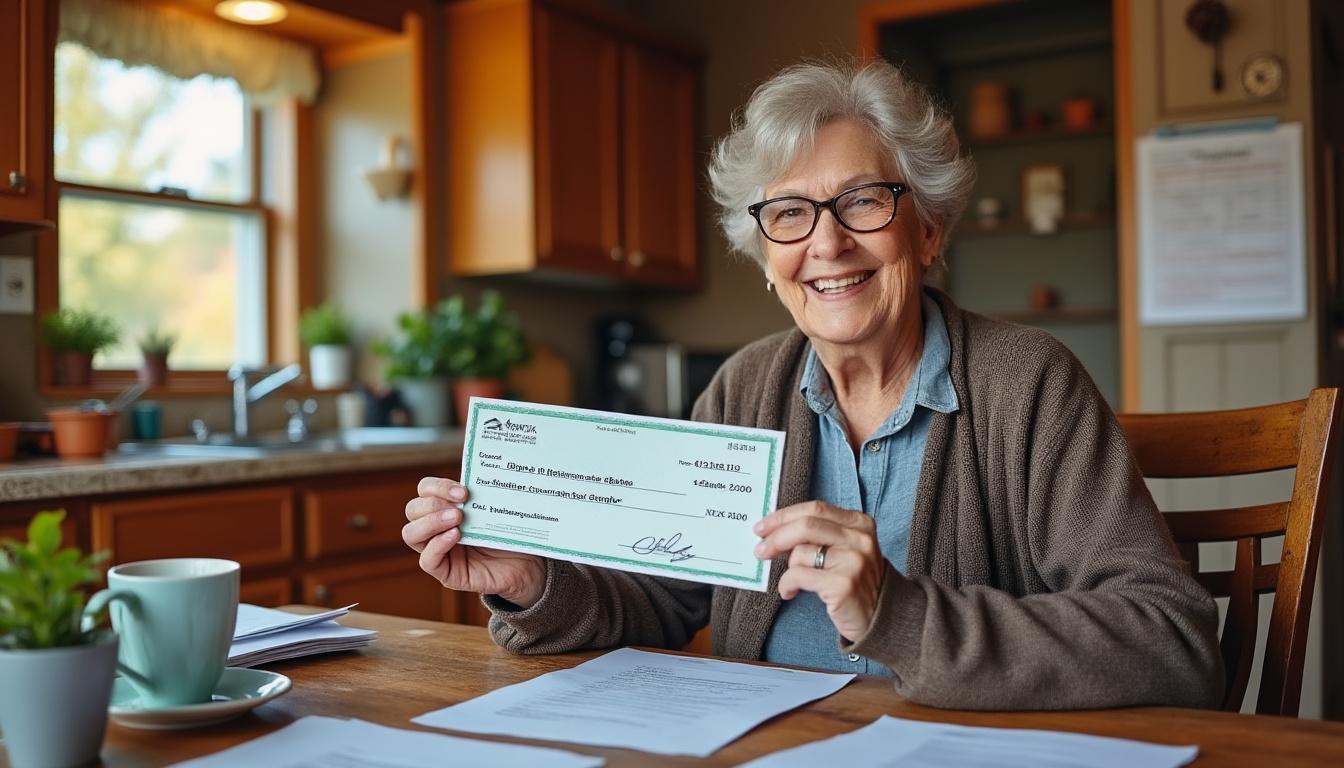
Consider Margaret, a 68-year-old homeowner living in a rural Pennsylvania town. With a yearly income of $28,000, she filed for the property tax rebate program and received a rebate check of $850, which she used to repair her aging heating system. Without this rebate, such unexpected expenses could have forced her to consider refinancing or selling her home.
Another case involves Jake, a young disabled veteran renting a modest apartment in Philadelphia. Despite renting rather than owning, the program’s rules and income limits allowed him to receive a smaller, yet significant rebate that helped ease his monthly expenses.
Understanding this program highlights how property tax rebates enhance affordability, preserve homeownership, and contribute to economic stability for vulnerable populations across Pennsylvania.
Exploring Common Challenges and Tips for Optimizing Pennsylvania Property Tax Rebate Qualification
Many applicants encounter hurdles when trying to qualify and successfully apply for the PA property tax rebate. Common challenges include misinterpretation of eligibility guidelines, incomplete documentation, and delays in submission. These obstacles can prevent deserving residents from accessing much-needed financial assistance, especially when timing is tight.
One notable challenge is the annual income calculation, which sometimes causes confusion. Pennsylvania defines income broadly, including all sources such as Social Security, pensions, dividends, and wages. Applicants who underestimate their total income may later be deemed ineligible or receive reduced rebates. Consulting a tax professional or using state-provided calculators can help mitigate these errors.
Another frequent issue is understanding the difference between property ownership and residency. The rebate requires that the home be the primary residence during the tax year, so individuals with multiple properties or who recently moved may struggle to meet this requirement. Documentation proving residency, such as utility bills and official IDs, must be carefully prepared.
Tips to Improve Chances of Approval and Maximize Rebates
- Start early and review official state guidelines annually as eligibility rules can update.
- Use checklists to ensure all documents are accurate and complete.
- Consider working with local tax relief agencies or housing counselors for assistance.
- File online when possible to reduce errors and speed processing.
- Keep copies of all forms and correspondence for future reference or audits.
Staying informed and proactive empowers applicants to navigate this process smoothly and capitalize on the full benefits available. As tax policies evolve, keeping abreast with updates ensures continuing eligibility and access to property tax assistance programs tailored to Pennsylvania residents.
Comparison of Pennsylvania Property Tax Rebate with Other Property Tax Relief Programs
While the PA property tax rebate program is one of the more direct and accessible means of relief, Pennsylvania also offers other property tax assistance options that serve different populations and needs. Understanding these alternatives helps homeowners and renters choose the most advantageous combination for their financial situations.
Key among these options is the homestead exemption, which provides a fixed reduction in assessed property value for eligible homeowners, thereby lowering their tax bills upfront rather than after payment. Unlike the rebate, which requires payment first and later refund, the exemption reduces the amount owed initially.
Additionally, certain local municipalities provide additional relief or deferment programs targeted at seniors, veterans, or low-income residents. Some counties also operate special property tax freezes or deferral plans, which postpone tax payments until property sale or transfer.
| Program | Type of Relief | Eligibility | Timing of Benefit | Additional Notes |
|---|---|---|---|---|
| Pennsylvania Property Tax Rebate | Refund after tax payment | Age 65+, disabled, income limits | Post payment (annual) | Tangible cash rebate sent after applying |
| Homestead Exemption | Assessed value reduction | Homeowners primary residence | Before tax billing | May reduce taxable value significantly |
| Local Tax Relief Programs | Tax credit, deferral, or freeze | Seniors, veterans, low-income | Varies by municipality | Additional layer of support |
By leveraging a combination of these options, Pennsylvania residents can potentially reduce their overall property tax burden significantly. Awareness of how each program works and who qualifies for what can shape strategic decisions regarding property tax assistance. These programs together reflect Pennsylvania’s commitment to helping residents manage housing costs sustainably.