
The allure of chai tea extends far beyond its comforting warmth and delightful blend of spices. Known for centuries as a staple in Indian culture, chai tea has woven itself into the daily lives and rituals of millions, offering not just a beverage but an experience saturated with history, health benefits, and unique flavor profiles. Every cup presents a dance of aromatic spices and rich black tea, capturing the essence of ancient traditions while adapting to modern palates worldwide. The journey into chai tea’s uniqueness reveals its complex symphony of ingredients, intricate brewing techniques, and the cultural narratives that make it an enduring favorite globally.
Understanding chai tea’s distinctive properties requires an appreciation of its origins and its evolution across centuries and continents. From the black tea plantations in Assam established in the 19th century to the street-side chai wallahs serving countless cups daily, chai embodies a blend of resilience, warmth, and communal bonding. Its spices aren’t merely flavor additives but carry centuries-old medicinal properties rooted in Ayurvedic practices. This complex intermingling of culture, health, and sensory pleasure defines why chai tea resonates deeply in both traditional and contemporary contexts.
In the following exploration, one will discover the essential elements that set chai tea apart: a specially curated selection of vibrant spices, the robust characteristics of black tea, and the artful balance brought by milk and sweeteners. Each element interacts with the others, creating a beverage with >unique properties< that satisfy the senses, promote well-being, and tell a story centuries in the making. This rich tapestry behind chai’s status as a global phenomenon invites both the seasoned chai lover and the curious newcomer to dive deeper into what truly makes chai tea a remarkable brew.
In brief:
- Chai tea combines a robust black tea base with a carefully blended mix of aromatic spices, yielding a unique, warm flavor profile rooted in ancient traditions.
- The word « chai » means tea, and true chai, properly called Masala Chai, includes a blend of essential and optional spices, each contributing distinct health and flavor benefits.
- Chai’s brewing process—traditionally involving simmering spices with tea and milk—extracts complex flavors, differentiating it from plain tea or coffee.
- Health benefits associated with chai stem primarily from its spices and tea antioxidants, though ingredients like sugar and milk affect overall nutritional value.
- Global adaptations and regional styles reveal chai’s cultural significance and flexibility, including popular westernized chai lattes and caffeine-free alternatives.
- Choosing quality ingredients and correct brewing techniques profoundly impact the final chai experience, bridging heritage and modern tastes.
Discovering Chai Tea’s Signature Spices and Their Aromatic Influence
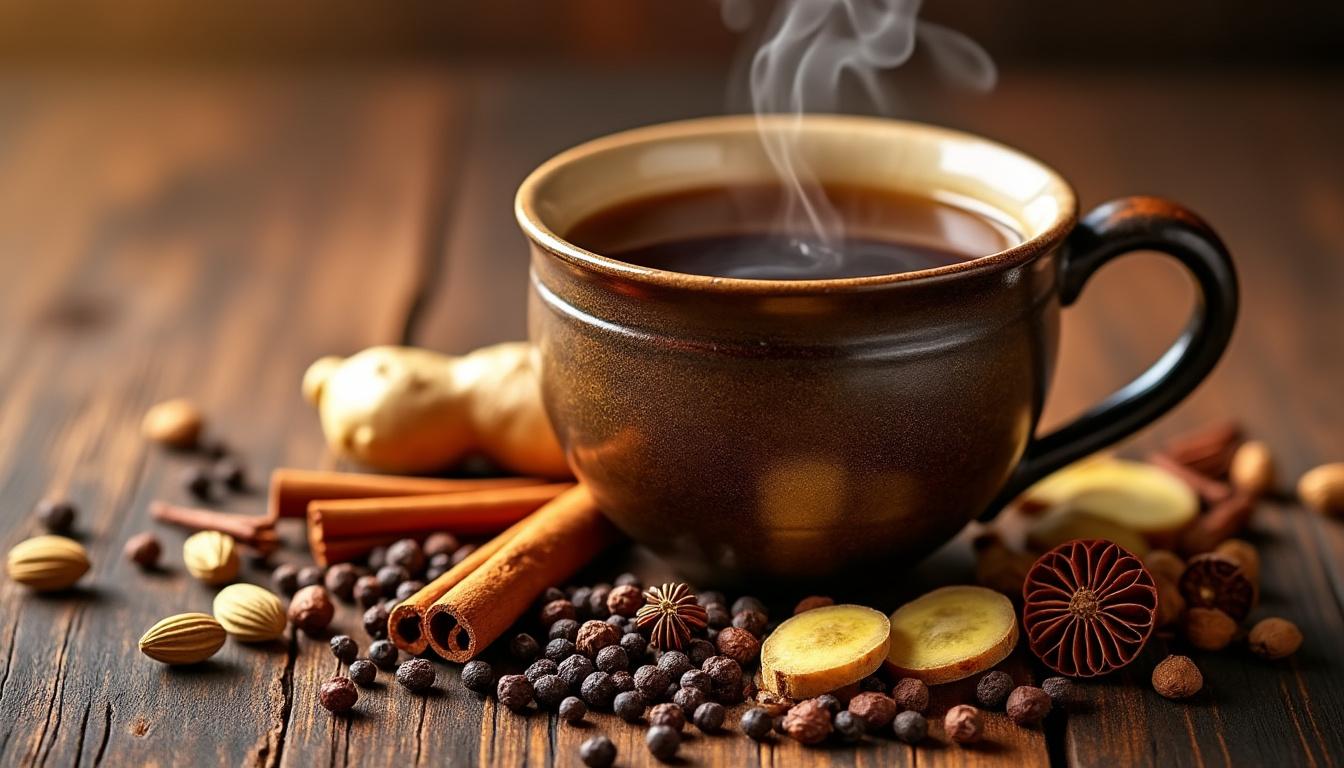
At the heart of chai tea’s compelling character lies the aromatic ensemble of spices that together create its signature flavor and therapeutic properties. Unlike a standard cup of tea, chai is a complex herbal symphony that harmonizes multiple spices, each bringing an individual depth and flair. Among the core spices, cardamom reigns as the distinctive floral and citrusy hero, whose essential oils breathe a sweet fragrance into every brew, making it often the first aroma that greets chai enthusiasts. Cardamom’s presence isn’t just about aroma—it also functions as a digestive aid, easing bloating and enhancing breath freshness.
Cinnamon introduces a warm, woody sweetness that softens the sharper spices with its natural sugars and subtle bark-like earthiness. Many traditional chai recipes emphasize true Ceylon cinnamon for a delicate flavor, yet cassia cinnamon’s bolder profile finds its devotees in various regional blends. Complementing these is the pungent and powerful clove, whose concentrated sweet-spicy notes act as a flavor anchor. However, its potency requires careful balance, as too many cloves may overpower the subtlety of the blend while bringing potential antimicrobial benefits.
Fresh ginger invigorates chai with its clean, zesty heat. Its gingerol compounds provide a spicy kick that beckons the palate and stimulate digestion, aiding in nausea relief. Ginger’s impact is amplified when sliced thinly and simmered slowly, allowing a gradual release of its lively essence as the tea brews. Rounding out the essential profile is black peppercorn, delivering a piquant sharpness that not only adds warmth but enhances nutrient absorption courtesy of the compound piperine.
Additional spices, often considered supporting players, enrich the chai’s complexity. Star anise lends a licorice-like sweetness that softens the heat of pepper and ginger. Fennel seeds introduce a gently sweet, herbal complexity paired with digestive benefits, while nutmeg and bay leaf bring depth and subtle herbal notes. The art of balancing these spices influences the final taste dramatically.
For those intrigued by the botanical details and health implications of chai’s spices, a detailed breakdown is explored further at the respected source on which herb defines chai tea. Also, the essential spices that characterize authentic masala chai are thoroughly examined for enthusiasts seeking to deepen their chai understanding.
How the Brewing Process Shapes Chai Tea’s Unique Flavor and Texture
The magic of chai doesn’t unfold simply in the choice of spices but in how they meld through the brewing process. A distinct characteristic setting chai apart is the traditional simmering technique, where spices, tea leaves, water, and milk are combined and slowly brought to a perfect balance of flavor. This meticulous process ensures that the robust black tea—often Assam, prized for its maltiness and boldness—stands firm against the assertive spices and creamy milk, rather than being overshadowed.
Typically, brewing starts with simmering spices and water, allowing the hot water to extract essential oils and aromatic compounds. This step, which can last from 5 to 10 minutes, is critical; too brief, and the chai tastes flat; too long, and it becomes overly bitter or harsh. Then, black tea leaves are added, steeping gently to infuse depth without excessive tannin extraction. The final addition is milk, traditionally whole or buffalo milk, which rounds out the flavor and softens the spice heat while binding the fat-soluble spice oils for a more satisfying mouthfeel.
Many chai enthusiasts adjust the simmering times and ratios to craft their signature brew. For example, some prefer multiple gentle boil cycles (known as “kadak” chai) that build intensity and yield a velvety texture. Others opt for a “double-boil” method for smoother blending. A well-executed brew, balanced in spices and tea strength, culminates in layers of warmth, sweetness, and creamy spice notes dancing harmoniously on the palate.
Modern adaptations make the process accessible through chai concentrates or tea bags, but these often lack the fresh intensity unlocked by simmering whole spices and fresh tea leaves. Enthusiasts interested in mastering the fine nuances of chai preparation can learn detailed techniques at comprehensive guides like the one on how to brew authentic chai tea. These resources unravel the secrets behind achieving the perfect chai infusion and texture.
The Intrinsic Health Benefits Hidden Within Chai Tea’s Aromatics and Tea Leaves
Beyond its captivating flavor, chai tea presents a valuable repository of health benefits that stem from its dynamic ingredients. While the beverage itself is consumed primarily for pleasure, the spices and tea contribute biologically active compounds with documented therapeutic effects. Scientific interest in chai’s constituents has grown, focusing on antioxidants, anti-inflammatory properties, and metabolic impacts.
Both black tea and several chai spices act as potent sources of antioxidants, combating oxidative stress by neutralizing harmful free radicals. Black tea contains theaflavins and thearubigins—polyphenols known for their scavenging activity—while spices like cinnamon and cloves rank among the highest antioxidants among herbs. A study reported increasing plasma antioxidant capacity by consistent consumption of spiced chai, reflecting enhanced protection against cellular damage.
Supporting heart health, cinnamon can reduce fasting blood glucose and cholesterol levels, especially in individuals with metabolic syndrome, a benefit matched to some extent by black tea’s epidemiological association with reduced stroke risk. Digestive relief is another well-established benefit, with ginger and cardamom aiding nausea and soothing the gut. Black pepper’s piperine further enhances nutrient absorption, synergizing with turmeric in some chai variations for anti-inflammatory effects.
However, mindful preparation is crucial. Sweeteners like sugar, commonly added to chai, may offset some metabolic advantages, highlighting the importance of moderation or alternate natural sweeteners. For an in-depth dive into chai’s health impact and nutritional profile, reference works such as the nuanced analysis on chai tea’s health properties offer evidence-based insights.
Chai Tea in Culture: The Deep Roots and Expanding Global Influence of a Timeless Brew
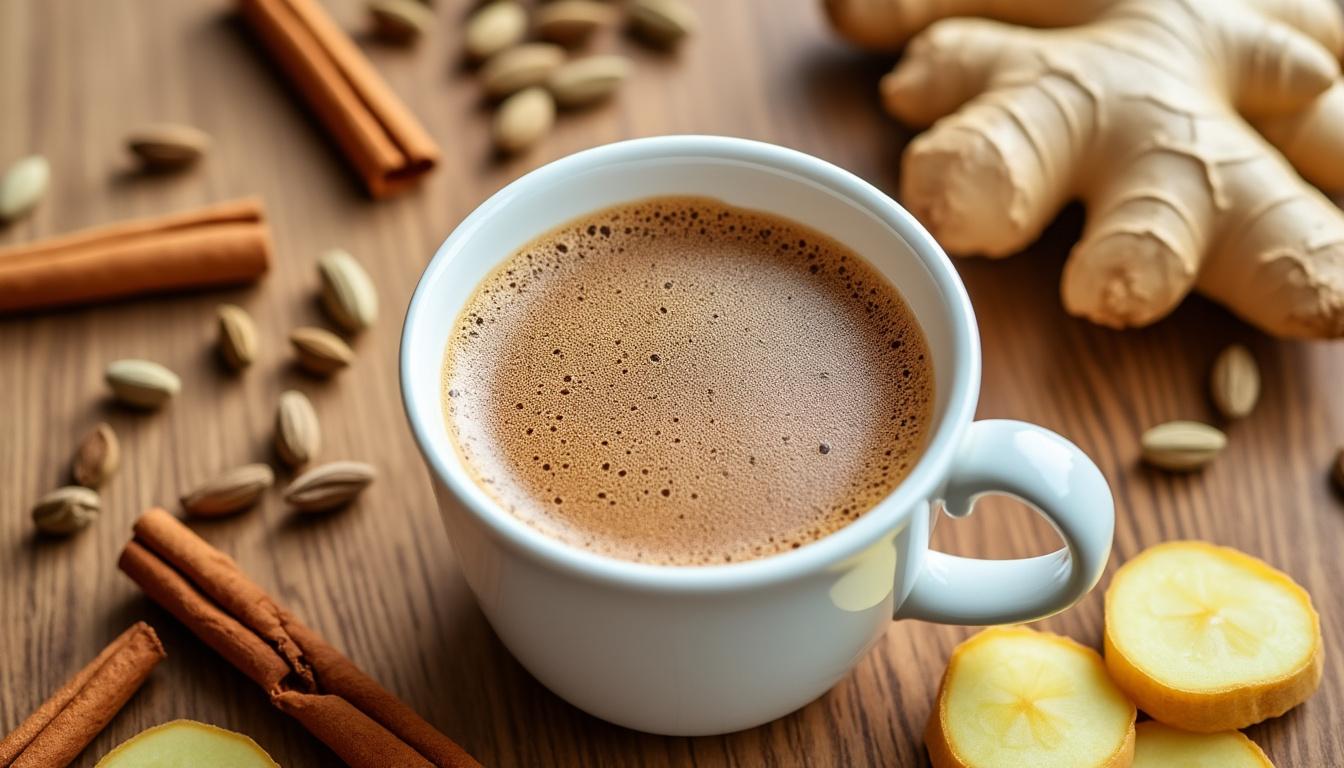
The story of chai is inseparable from the cultural milieu that gave rise to its enduring appeal. Originating from the Indian subcontinent, chai’s legacy is steeped in tradition, social ritual, and regional diversity. It transcends a mere drink, acting as a symbol of hospitality, community, and daily rhythm.
Historically, chai’s early use in Ayurvedic medicine laid the foundation for its respected role in wellness, but its adoption into popular culture was propelled by British colonial tea plantation development in the 1800s. The chai wallahs—mobile tea vendors—became fixtures in urban and rural landscapes, serving chai from dawn until dusk and facilitating social interaction. The beverage’s role in fostering dialogue, relaxation, and cultural identity remains prominent in many Indian households and workplaces.
By the late 20th century, chai made its way into cafes across the globe, particularly in the West, where “chai latte” became a beloved term. Yet, these adaptations sometimes stray from the authentic recipe, emphasizing sweeter, milkier versions catering to local tastes. However, the core cultural elements persist, with chai evolving in places like Malaysia, Kenya, and the Middle East, each adding unique spins while honoring chai’s heritage.
The meaning of chai in India stretches beyond flavor; it marks moments of connection, comfort, and celebration. Understanding this, many seek to preserve chai’s authenticity while embracing its global journey—a duality well captured by cultural explorations such as the comprehensive overview at chai tea’s cultural significance and global popularity.
Choosing Quality Ingredients and Customizing Your Chai Experience for Optimal Flavor
Crafting a perfect cup of chai involves more than following a recipe—it demands carefully selected ingredients and willingness to tailor the blend to individual preferences. The choice of tea, spice freshness, milk type, and sweetener each substantially influence the final cup’s depth and enjoyment.
For the tea base, Assam black tea continues to be the prime choice because of its malty robustness and caffeine strength, capable of standing up to strong spicing and creamy milk. However, connoisseurs may experiment with Darjeeling or Ceylon teas to introduce floral or citrus notes, respectively. Some may opt for rooibos to enjoy a caffeine-free chai without compromising richness.
Whole spices are preferred over pre-ground versions due to their retained essential oils and fresher aromatics. Proper storage—airtight and away from light and moisture—is vital to preserve these qualities. Choosing milk types ranging from traditional whole milk to oat, almond, and coconut milk allows for textural and taste customization, catering to vegan or lactose-intolerant consumers.
Sweetener choice also matters; jaggery adds complexity with its molasses notes, honey contributes floral sweetness, and sugar offers neutral sweetness, but moderation is key to maintain balance. The inclusion of optional spices such as star anise or vanilla permits further experimentation.
Below is a guide to help enthusiasts build their ideal chai blend based on flavor preferences, spice intensity, health goals, and dietary restrictions:
| Aspect | Options | Effects on Chai |
|---|---|---|
| Spice Intensity | Mild, Medium, Bold | Controls warmth and complexity |
| Health Focus | Energy Boost, Digestive Support, Relaxation, Immune Support | Adjusts spice selection (e.g., more ginger for digestion) |
| Flavor Profile | Aromatic (Cardamom heavy), Sweet, Spicy | Shapes primary sensory notes |
| Milk Preference | Dairy, Oat, Almond, Coconut, Soy | Affects creaminess, sweetness, and mouthfeel |
| Caffeine Level | Traditional, Decaf, Caffeine-Free | Influences energy and alertness |
Understanding these variables helps in perfecting a personalized chai experience—one that suits taste buds, health considerations, and cultural respect. Many tea enthusiasts find inspiration and technical advice in detailed chai blending guides such as those available on expert chai composition articles.