
In 2026, navigating the landscape of Pueblo County real estate requires an in-depth understanding of how to efficiently conduct a property search. Pueblo County, known for its rich history and varied housing market, offers a dynamic environment where buyers, sellers, and investors must access comprehensive land records and public property data to make informed decisions. The challenge lies in effectively utilizing the available resources within the local government framework, from the Clerk and Recorder’s office to the Assessor’s property database, to gather the essential details regarding ownership, market values, and tax assessments.
Efficient property search methods hinge on leveraging modern online tools provided by Pueblo County’s official portals, streamlining access to title search records and historical ownership data. The nuanced understanding of these records not only supports better investment choices but also aids in mitigating risks associated with unclear title deeds or hidden liens. As the property market continues to evolve, mastering these search techniques in Pueblo County is crucial for stakeholders aiming to stay ahead in a competitive real estate environment.
Among the distinct features of Pueblo County’s property market is the diversity in sale prices and tax rates, which fluctuate significantly across cities such as Pueblo West, Beulah, and Boone. Understanding these regional disparities and their implications on investment and ownership costs can optimize property acquisition strategies. By integrating insights drawn from official public records and county GIS maps, prospective buyers gain a strategic advantage in the 2026 real estate market landscape.
At a glance, key considerations in Pueblo County property searches in 2026 include:
- Accessing and interpreting comprehensive land records through the official Clerk and Recorder’s portal.
- Utilizing the Pueblo County Assessor’s resources to understand market value assessments and tax obligations.
- Recognizing regional market variations to tailor property searches according to budget and investment goals.
- Employing effective search tips and strategies to locate detailed parcel data efficiently on platforms like MyPuebloCounty.
- Comprehending the impact of property taxes and historical value trends on overall real estate investment viability.
Mastering Pueblo County Public Records for an Efficient Property Search
In the context of Pueblo County, public records serve as the foundational source of truth for anyone looking to acquire or invest in real estate. These records encompass a broad spectrum of information, including land deeds, property ownership history, tax assessments, plat maps, and title documents. The official custodian of these vital documents is the Clerk and Recorder’s office, acting as the central hub for recording, copying, indexing, and preserving these crucial files. Accessing their resources online has revolutionized the property search process, allowing stakeholders to bypass traditional bureaucratic delays and obtain timely, relevant data.
To conduct a Pueblo County property search efficiently, one must first familiarize themselves with the range of data accessible through the Clerk and Recorder’s home. This website offers not only land records but also civil licenses and other public records that are essential for validating property titles and ensuring transparent ownership history. For example, a buyer interested in a home in Pueblo West can easily retrieve transaction histories and verify deed transfers, significantly reducing the risk of purchasing a property with unresolved claims or liens.
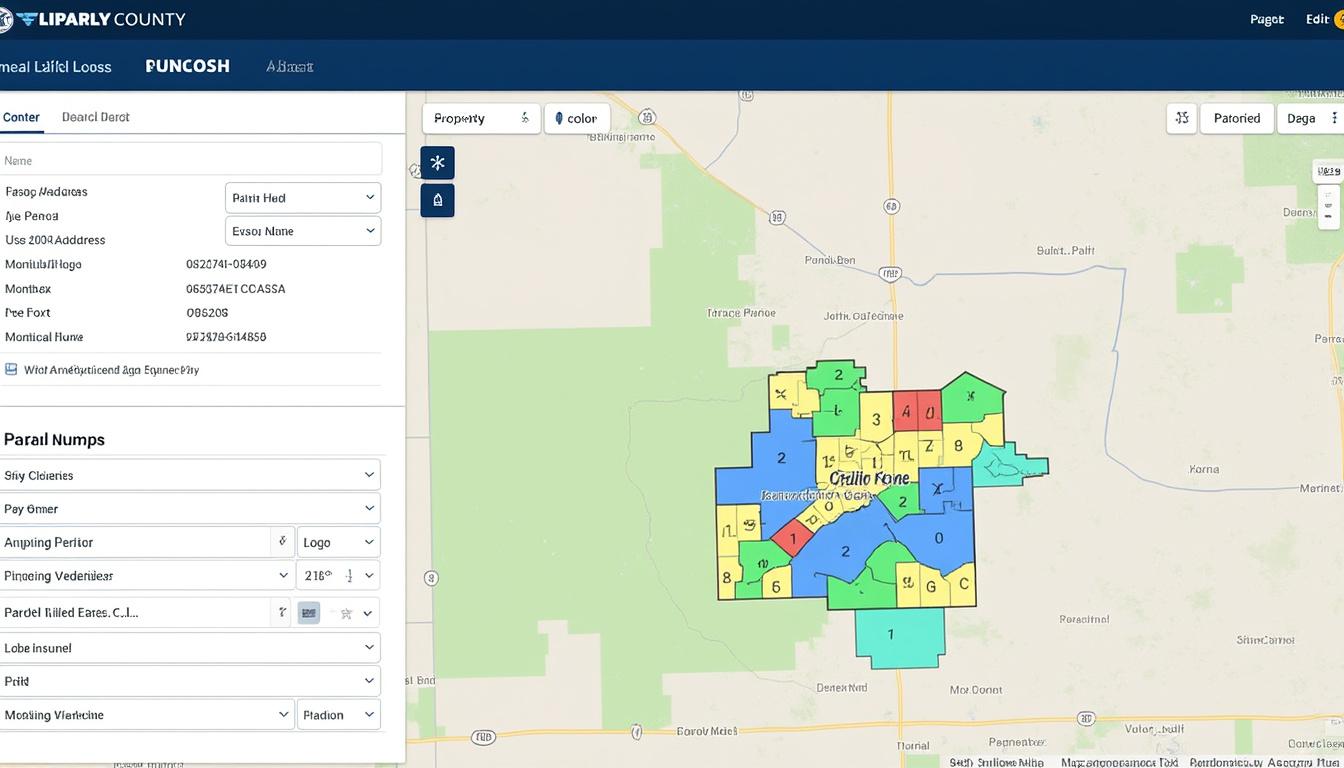
Moreover, the integration of Geographic Information System (GIS) tools through the county’s online services further enhances search efficiency. These interactive maps provide spatial visualization of property boundaries, neighborhood zoning, and nearby developments. By cross-referencing GIS data with public records, users can gain a clearer understanding of the property’s physical context in relation to local infrastructure and planning initiatives.
Use cases abound where investors have leveraged these records to identify undervalued properties in cities like Beulah and Rye, where average sale prices are notably higher than the broader county average. A methodical search incorporating public records insights helps uncover hidden opportunities and avoid potential pitfalls presented by incomplete or outdated property information. The comprehensive nature of the Pueblo County property database now invites every real estate participant to engage with well-documented, trustworthy data—a critical asset for confident decision-making.
Using the Pueblo County Assessor’s Resources to Analyze Market Values and Taxes
The Pueblo County Assessor plays an indispensable role in calculating property values and determining annual tax obligations. For anyone conducting a property search with investment or purchase intent, understanding how assessed market values correlate with actual sale prices and tax liabilities can illuminate potential costs associated with ownership. The Assessor’s office maintains a robust property database accessible online that reveals extensive data on personal and real property assessments within the county.
In 2026, the average market value in Pueblo County is $304,539, which is significantly lower—around 43% less—than the state average in Colorado. This distinct market dynamic presents both an opportunity and a challenge. For instance, property values in Pueblo West and Wetmore exceed the county average by over 47%, reflecting localized economic vitality and desirability. Conversely, towns like Olney Springs possess market values well below the average, offering affordable entry points but potentially with less growth forecast.
The annual property tax bill in Pueblo County also averages around $1,350, substantially lower than the state average, which makes it attractive for long-term investment. However, understanding the tax differentials by city is crucial; Pueblo West and Wetmore have property taxes approximately 1.28 to 1.71 times higher than the county baseline. The Assessor’s online portal, accessible through this link, allows users to review property assessments and tax bills in real time, aiding in accurately projecting future expenses related to specific parcels.
For example, a prospective homeowner examining a property in Beulah might find the market value assessment at $316,456 with a corresponding tax bill that fits within their financial plan. On the other hand, an investor scouting properties in Boone might reconsider yield expectations given lower market values and tax fluctuations. These nuanced insights assist in developing tailored strategies fitting different financial situations.
Additionally, the Assessor’s data highlight several high-value residential properties, such as the $5.3 million estate on Siloam Rd, illustrating the scope of luxury real estate amid generally affordable housing. Keeping abreast of such variations ensures that both buyers and sellers remain informed of current trends influencing supply and demand within Pueblo County’s diverse real estate landscape.
Leveraging Local Government Platforms for a Streamlined Title Search and Ownership Verification
Title search and ownership verification form the backbone of secure real estate transactions. In Pueblo County, local government platforms have been optimized to facilitate this process for all real estate stakeholders. The MyPuebloCounty portal exemplifies these advancements, offering users the ability to conduct detailed property tax account searches by parcel number, address, or owner name.
Effective use of these platforms requires understanding specific tips such as entering parcel numbers exactly as they appear on official tax bills, or using geographic descriptors accurately while searching for streets with directional terms. These strategies drastically reduce search time and improve the quality of information retrieved about the subject property.
The benefit of combining these digital tools with traditional public records is apparent when examining cases of historic properties, some dating back to the mid-19th century. For example, researching an 1845 property requires not only looking at current title information but also delving into archived records preserved and indexed by the Clerk and Recorder’s office. Such diligence prevents title disputes and supports transparent property transfers.
Users can also take advantage of planning and development services offered by Pueblo County to verify zoning compliance and planned neighborhood developments, ensuring that property buyers avoid unpleasant surprises after acquisition.
For professionals and casual users alike, these online services improve search efficacy, mitigate title risks, and uphold the integrity of Pueblo County’s real estate market as it evolves.
Understanding Market and Regional Disparities in Pueblo County Property Search
Data from Pueblo County’s property database highlight pronounced disparities in sale prices and assessed values across its municipalities, underscoring the importance of geographic context in property searches. The average sale price across the county hovers around $308,561, yet Pueblo West and Beulah cities maintain figures approximately 27% to 44% higher. This variance substantially influences investment viability, financing conditions, and taxation implications.
At the other end of the spectrum, Boone and Olney Springs present median sale prices as low as $123,800 and $125,000 respectively, pointing to opportunities for budget-conscious buyers or investors seeking higher cash flow ratios. Appreciating these disparities requires a keen analysis of local economic conditions, infrastructure development, and population trends affecting each region.
| City | Median Sale Price | Transactions | Difference from County Average |
|---|---|---|---|
| Pueblo West | $419,900 | 50+ | +44.79% |
| Beulah | $369,000 | 28 | +27.24% |
| Rye | $319,000 | 32 | +10.00% |
| Pueblo | $287,000 | 3,157 | -1.03% |
| Colorado City | $284,300 | 51 | -1.97% |
| Avondale | $215,000 | 21 | -25.86% |
| Fowler | $175,000 | 46 | -39.66% |
| Olney Springs | $125,000 | 8 | -56.90% |
| Boone | $123,800 | 12 | -57.31% |
The implications of these figures are multifaceted. Investors focusing on wealth preservation might target higher-value locales like Pueblo West, benefiting from stability and robust property appreciation. Conversely, those seeking to enter the market with a modest budget could prioritize communities like Fowler or Olney Springs where initial costs are lower, albeit with different growth prospects.
Moreover, assessing tax burdens is equally critical. Pueblo West, with its higher property values, corresponds to average taxes 28% above the county mean, while Fowler boasts some of the lowest tax rates. Aligning property tax expectations with market values and personal financial goals forms the essence of a strategic property search.
Adopting a segmented search approach that factors in these variances enables buyers and investors to refine priorities and select properties that best align with their objectives and risk tolerance.
Key Strategies for an Effective Pueblo County Property Search in 2026
In summary, conducting an effective property search in Pueblo County demands a coordinated approach that integrates accurate data retrieval, local market understanding, and the smart use of technology. Here are essential strategies to optimize the search process:
- Utilize multiple official sources: Access the county’s property records portal alongside the Assessor’s and Clerk and Recorder’s websites for a comprehensive view.
- Incorporate GIS mapping tools: Cross-reference property data with geographic information to evaluate location-based advantages and restrictions.
- Master search criteria: Use precise parcel numbers and official address formats to ensure accurate results, leveraging tips provided by local government guides.
- Analyze market and tax data: Match sale prices and tax bills against personal investment goals to assess property affordability and future returns.
- Investigate property histories: Thoroughly examine title documents and historical ownership to uncover any legal or financial encumbrances.
These tactics combined form a robust framework for confident and efficient property searches, particularly in a diverse county like Pueblo where real estate nuances abound.