Purchasing a foreclosed property often holds the allure of acquiring real estate below market value, attracting both investors and homebuyers aiming for a bargain. Yet, behind these tempting price tags lies a complex web of risks that can lead to unforeseen expenses, legal entanglements, and even financial loss. Understanding what makes buying a foreclosed property risky is not just about spotting potential pitfalls; it’s about equipping oneself with the knowledge to navigate those challenges effectively. In 2026’s dynamic real estate environment, certain hazards stand out prominently—specifically, issues around the property’s condition and legal complications such as title defects and outstanding liens. These two factors critically impact whether the purchase will truly be a lucrative opportunity or a cautionary tale. As the market shifts, with foreclosures remaining a niche yet volatile segment, recognizing how these risks manifest and why they matter is vital for any prospective buyer.
In brief:
- Property condition is a crucial risk factor due to the “as-is” nature of foreclosed homes, often hiding damages that require costly repairs.
- Title defects and legal issues can lead to unexpected liens or claims, hampering ownership rights and complicating financing.
- The auction process limits inspection opportunities, increasing the risk of overpaying or overlooking hidden defects.
- Due diligence helps mitigate risks but requires specialized knowledge and thorough research before commitment.
- Understanding the foreclosure market value versus actual home quality guides better investment decisions in 2026.
Examining the Risk of Property Condition in Foreclosed Homes
The condition of foreclosed properties is one of the most significant unknowns facing buyers. Unlike traditional home sales where sellers are motivated to present their properties attractively and meet inspection standards, foreclosed homes are sold “as-is”, leaving buyers solely responsible for uncovering defects once acquisition is complete. This can lead to substantial financial exposure due to hidden damages.
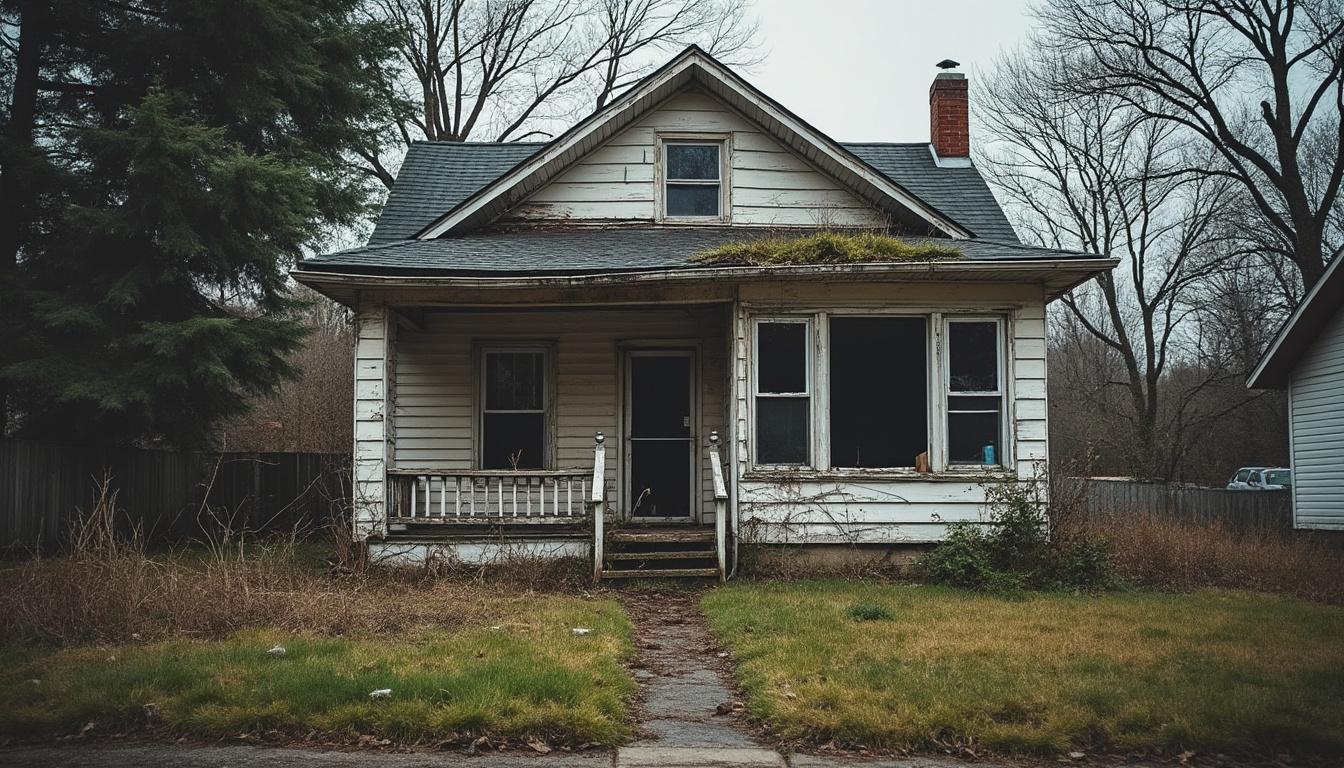
Many foreclosed homes have endured periods of neglect. For example, they may have been vacant for months, leaving systems like HVAC, plumbing, or electrical circuits deteriorated. In some cases, previous occupants who faced foreclosure might have caused intentional or accidental damage—ranging from broken windows and vandalism to hoarding issues or pest infestations. Because these properties frequently bypass standard seller disclosures, buyers often find themselves confronting costly restorations just to make the home livable.
The impact of property condition risk can be illustrated through local case studies. Take, for example, a family in Detroit who purchased a foreclosed bungalow at a sharp discount during 2025. Initially attractive for its price, the home’s foundation was later found to have severe cracks, and the roof was beyond repair. The rehabilitation expenses surged past their initial estimates, surpassing the amount saved on the purchase. This scenario highlights how overlooking thorough inspection reinforces the importance of professional evaluations during due diligence.
The « As-Is » Sale and Limited Inspection Rights
Another layer that compounds property condition risk is the limitation on inspections before final purchase, particularly in auction settings. Buyers often only get a brief walk-through or must rely on third-party reports, which can be incomplete or outdated. For instance, repair needs that arise after closing—such as mold presence or outdated electrical panels—are the buyer’s responsibility in a foreclosure purchase.
This auction process eliminates common contingencies found in traditional sales. Because of that, potential buyers must budget not only for the purchase price but also for a reserve fund to address unknown repairs. Skilled purchasers utilize resources such as specialized inspectors familiar with foreclosure properties to conduct pre-bid assessments. This practice can make the difference between a sound investment and a financial burden.
Understanding Legal Risks: Title Defects and Outstanding Liens
Legal complications pose a distinct but equally critical risk when buying foreclosed properties. One of the primary concerns involves title defects—errors, omissions, or unresolved claims on the property’s ownership record. These can include unpaid property taxes, mechanic liens from contractors, easements, or even disputes over boundaries.
Unlike traditional sales where title insurance companies conduct thorough title searches and sellers-clear existing liens before closing, the process with foreclosures can be more complex. Often, outstanding debts attached to the property remain unsettled at auction, meaning the new owner might inherit these financial obligations, jeopardizing clear ownership. This can stall refinancing options or even lead to legal battles in extreme cases.
For example, buyers in California have faced surprises involving municipal liens for unpaid water or sewer bills dating back several years, which banks failed to disclose during foreclosure. These liens become the responsibility of the new owner upon purchase, emphasizing why comprehensive title searches and title insurance are non-negotiable safeguards.
The Importance of Due Diligence for Legal Issues
Due diligence here involves not only reviewing the property’s public records for any encumbrances but also consulting with real estate attorneys or title professionals who specialize in foreclosed homes. This process uncovers hidden financial risks and ensures that buyers understand what claims could arise post-purchase. In 2026’s market, with legal complexities on the rise due to increased foreclosure proceedings, such diligence can mean the difference between a clean transaction and a costly legal nightmare.
Moreover, some foreclosure auctions accompany incomplete information about the property’s legal standing. Bidders must weigh whether to bear these uncertainties or seek properties with more transparent titles. Purchasing title insurance, while an added cost, protects the buyer against many unforeseen claims related to title defects and is an industry standard recommended at every stage.
How Market Value vs. Actual Condition Creates Risk in Foreclosure Investments
Beyond immediate physical and legal risks, buying a foreclosed property involves evaluating the market value versus the property’s tangible state. Foreclosures often sell below comparable market prices, creating an apparent bargain. However, if buyers focus solely on sticker prices without considering necessary outlays for repairs or settlement of liens, true investment returns can shrink drastically.
For example, a property listed for 20% below market might require 30% of its value in renovations and legal fees before it’s market-ready or comfortable for occupancy. Failure to integrate these calculations during financial planning can result in losses or negatively impact cash flow if the property was intended as a rental investment.
In 2026, with interest rates fluctuating and lending standards adapting to economic conditions, the ability to secure financing against foreclosed homes with uncertain conditions can also affect market dynamics. Lenders typically demand rigorous appraisal reports and may limit loan amounts for properties flagged with excessive repair needs, increasing buyer financial risk if alternative funding isn’t secured.
| Risk Factor | Potential Consequence | Mitigation Strategies |
|---|---|---|
| Property condition | Costly repairs, uninhabitable conditions | Professional home inspection, reserve repair budget |
| Title defects and liens | Unclear ownership, legal disputes, unpaid debts | Comprehensive title search, purchase title insurance |
| Market value Misalignment | Overpayment, reduced return on investment | Detailed cost-benefit analysis, lender appraisal review |
| Auction process limitations | Insufficient inspection, rushed decisions | Engage foreclosure experts, attend pre-auction walkthroughs |
Navigating the Auction Process and Its Risks
The auction process itself introduces unique challenges to foreclosed property buyers. Auctions often operate on tight timelines, requiring buyers to be prepared with financing and quick decisions. Unlike conventional home sales, there is limited scope for negotiation or due diligence phases, which increases the likelihood of errors or oversight.
Some buyers jump into auctions lured by the low starting bids but fail to fully understand that financial risk broadens beyond purchase price. If the winning bidder defaults on payment, penalties including forfeiting deposits are common. Additionally, the fast-paced nature of auctions can obscure the full picture of the property’s condition or legal encumbrances.
Experienced investors approach auctions strategically—conducting research well in advance, setting clear maximum bid limits based on comprehensive risk assessment, and partnering with real estate agents familiar with foreclosure-specific auctions. This preparation helps contain financial exposure and positions them to capitalize on opportunities without succumbing to auction pressure.
Due Diligence: The Cornerstone to Mitigating Foreclosure Risks
Ultimately, thorough due diligence stands as the most effective weapon against foreclosure purchase risks. This process involves a careful, multi-faceted examination of every element—from physical inspection to legal review and market analysis.
- Property inspection: Engage licensed professionals to uncover hidden damages that affect livability and safety.
- Title verification: Obtain detailed title reports and confirm outstanding debts or liens to avoid future surprises.
- Financial planning: Account for repair costs, legal fees, and potential auction-related charges when determining budget.
- Market research: Analyze comparable home sales to ensure the purchase price aligns with current market value.
- Legal consultation: Work with real estate attorneys for clarity on eligibility, contracts, and title insurance requirements.
With due diligence, buyers can transform the risks traditionally associated with foreclosed properties into manageable challenges. As foreclosure remains a viable segment of the real estate market in 2026, buyers should not be deterred but instead become educated participants in this complex marketplace. For more in-depth strategies and advice, resources such as real estate risk analyses and expert insights on buying foreclosed homes provide invaluable guidance for prospective buyers.