
The recent settlement involving JWB Property Management LLC has shone a spotlight on the often misunderstood intersection of tenant rights and military benefits, particularly under the Servicemembers Civil Relief Act (SCRA). This resolution draws attention to the vital legal procedures that govern the termination of leases for servicemembers who receive military orders requiring relocation, emphasizing the protection of veteran housing rights. As property management companies nationwide navigate this complex regulatory landscape, understanding the nuances of the JWB settlement process offers invaluable insight into compliance, tenant protection, and the evolving nature of landlord-tenant relations within military communities.
In brief, the JWB property management SCRA settlement process underscores the following key points:
- Recognition of illegal early lease termination fees imposed on servicemembers by JWB.
- Financial restitution totaling over $60,000 including compensation and civil penalties.
- Mandatory annual SCRA training instituted for JWB employees to prevent future violations.
- Revised application processes ensuring fair tenant rights and elimination of discrimination against military members.
- Enhanced monitoring and compliance mechanisms overseen by the U.S. Department of Justice.
- Impacts on property management operations and veteran housing policies nationwide.
Background and Legal Framework of the JWB Property Management SCRA Settlement
The JWB Property Management case originates from a critical federal investigation revealing violations of the Servicemembers Civil Relief Act by a major Jacksonville-based landlord. JWB Property Management LLC, also known as JWB Rental Homes, manages thousands of rental properties in Florida and came under scrutiny for imposing early termination fees on servicemembers who lawfully terminated their leases after receiving deployment or permanent change of station orders.
The SCRA, a legal statute enacted to safeguard active-duty military personnel, provides specific protections such as enabling servicemembers to terminate residential leases without penalty when military orders necessitate relocation. This protection is codified under 50 U.S.C. § 3955, which explicitly forbids landlords from charging early termination costs in these circumstances.
Despite these protections, JWB unlawfully charged at least six servicemembers early termination fees, disregarding clear federal mandates. The U.S. Department of Justice intervened, enforcing compliance through a settlement agreement. This legal framework ensures that tenant rights for servicemembers extend beyond simple lease terms, influencing a broader commitment to fair treatment within veteran housing.
Understanding the SCRA’s role is essential to comprehend the settlement’s implications for both landlords and military tenants. As housing challenges mount for servicemembers balancing career demands with relocating families, these statutory protections remain critical to safeguarding financial interests and preventing unjust penalties.
The DOJ’s involvement and subsequent settlement represent a pivotal enforcement action that reinforces the legal procedures property managers must adhere to in processing lease terminations linked to military orders. The case underscores an evolving awareness and respect for veteran housing rights amid the broader rental market.

Key Details of the JWB Property Management Settlement Process and Eligibility
The settlement forged between JWB Property Management and federal authorities is multifaceted, involving financial payments, procedural reforms, and ongoing compliance verification. Central to the process is ensuring affected servicemembers receive rightful compensation while establishing a blueprint for future conduct in property management operations.
Financial restitution and penalties form the core of the settlement. JWB agreed to pay $39,168.50 to the servicemembers who were unlawfully billed early termination fees and an additional $25,000 civil penalty to the United States government. These payments collectively send a strong message about the cost of noncompliance with federal military tenant lease rules.
Eligibility is narrowly defined to servicemembers who were charged these fees specifically during lease terminations resulting from military-relocation orders between 2021 and mid-2025. However, the policy reforms apply broadly to prevent any future unlawful fees.
Beyond monetary terms, the agreement necessitates significant operational changes, including:
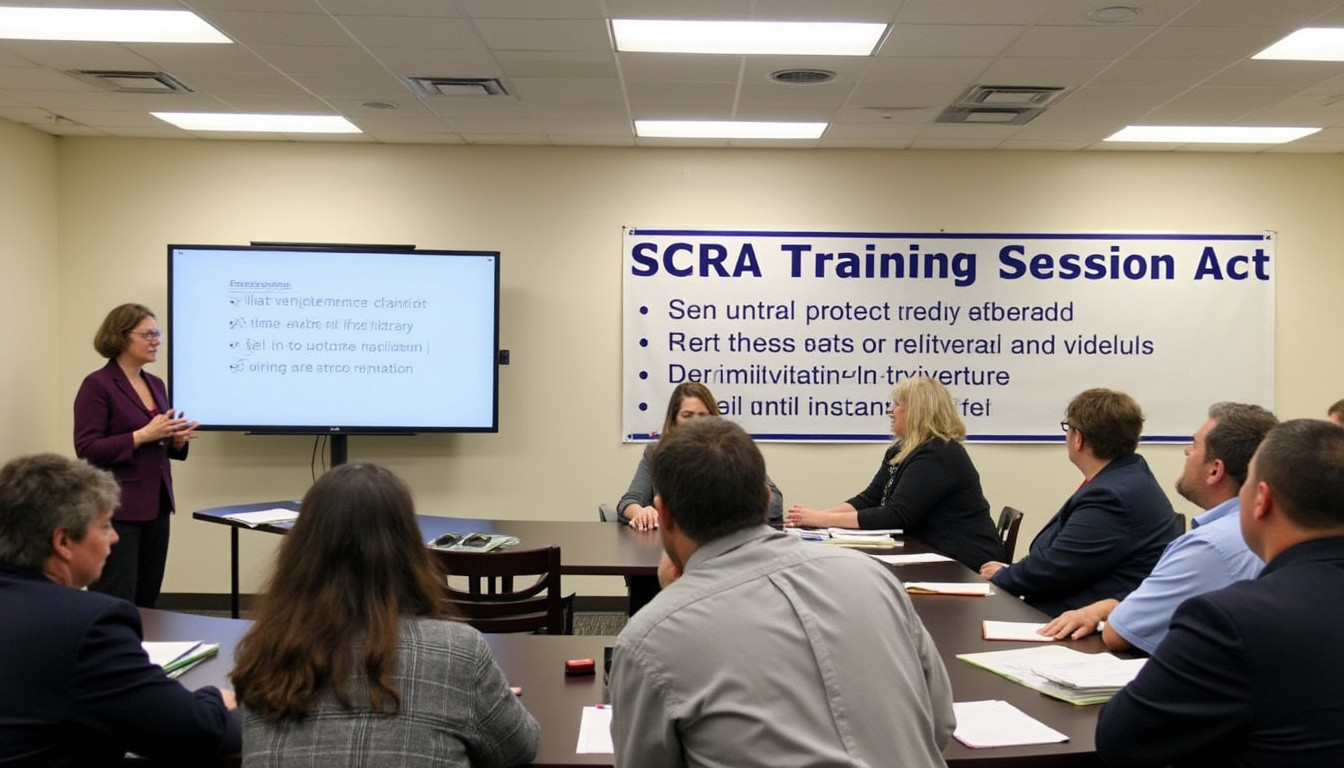
- Annual SCRA training for all JWB employees and onboarding sessions for new hires to deepen understanding of servicemember rights.
- A revised application process clarifying that applicants with prior eviction filings, including servicemembers, are evaluated fairly on a case-by-case basis.
- Discontinuation of all early termination fees charged in violation of the SCRA.
- Policies instituting careful verification protocols to avoid default judgments when tenants’ military status is in question.
The settlement also mandates a monitoring period during which the Department of Justice maintains oversight, ensuring adherence to agreed compliance measures. This approach illustrates a holistic view of compliance that transcends one-time payments, focusing instead on sustainable tenant rights protection in veteran housing.
Such procedural reforms influence property management companies nationwide, setting a precedent underscoring the importance of understanding the interplay between lease termination rights held by military members and the legal obligations of landlords.
The Impact of the Settlement on Property Management Practices and Veteran Housing Rights
The JWB case signals a turning point for the real estate rental market, particularly among companies managing housing with military tenants. By imposing unlawful fees, JWB highlighted a gap in property management knowledge regarding the SCRA and tenant rights, which the settlement now actively addresses through mandated training and policy reform.
For servicemembers, the settlement serves as an empowering reaffirmation of their rights, providing financial redress and increasing awareness of protections built into military benefits. The ability to terminate leases promptly upon relocation orders without facing punitive fees reduces disruptions for military families undergoing transitions.
On the business side, property management firms face increased scrutiny and a call to arms to enhance compliance infrastructures. This manifests in reevaluating lease agreements, refining tenant screening, and instituting regular employee education to embrace the complexities of military exemption clauses.
Key enhancements to property management practices include:
- Comprehensive SCRA policy implementation across rental portfolios.
- Clear documentation and verification procedures for lease terminations tied to military orders.
- Protocols to avoid default eviction judgments without confirming military status.
- Strengthened relationships between landlords and military tenants, fostering trust and long-term tenancy prospects.
These changes not only benefit servicemembers but also protect landlords from costly legal disputes and reputational harm. The ripple effect promotes a fairer housing market and elevates standards of tenant care nationally, especially within communities supporting veterans and active-duty personnel.
Adhering to these reforms also aligns with compliance trends observed in military tenant lease rules best practices, which advocate for clear, proactive education of property management staff about legal obligations and tenant rights.
Guidance for Servicemembers on Navigating Lease Termination and Claim Procedures Pertaining to the Settlement
Understanding the settlement’s implications extends beyond property management companies to the servicemembers who rely on the SCRA for protections. Military personnel seeking to exercise lease termination rights under the settlement should be aware of the following practical steps:
- Document military orders comprehensively and notify property managers in writing as soon as relocation or deployment orders are received.
- Maintain clear communication records encompassing lease termination notices and any correspondence regarding fees or disputes.
- Seek legal counsel or military legal assistance offices to confirm rights under the SCRA and understand eligibility for settlement claims.
- File claims according to the settlement’s procedures, if applicable, which involve submitting proof of unlawful fee assessments and military status.
- Report unresolved violations to federal authorities such as the Department of Justice or veteran housing advocacy groups.
This proactive engagement reinforces veteran housing rights and reduces the financial risks military tenants might otherwise incur during challenging relocations.
To deepen understanding regarding the legal procedures and protections available under the settlement, servicemembers can access official settlement documentation and guidance through resources like the DOJ’s website and specialized legal platforms focused on military tenant rights.
These clarifications empower tenants to confidently address issues with property managers and know when and how to assert their rights most effectively.
Broader Implications of the JWB SCRA Settlement on the U.S. Housing Market and Legal Compliance
Beyond the immediate resolution, the JWB settlement contributes to shaping the broader U.S. rental housing landscape, particularly within sectors housing military families. It sets a precedent reinforcing the integration of federal legal protections into the everyday practices of property management firms.
Property management companies must now incorporate regular SCRA compliance training as a standard operational feature to avoid the financial and reputational fallout experienced by JWB. This case also signals to tenants and advocates that legal recourse and federal enforcement are viable pathways to defending tenant rights within veteran housing communities.
Importantly, the settlement emphasizes that legal procedures surrounding lease termination for servicemembers are not merely bureaucratic formalities but rather critical mechanisms ensuring fairness and support for those serving in uniform.
By obligating continued DOJ oversight and collaboration, the agreement encourages a culture of transparency and accountability, motivating other property managers to reevaluate and enhance their housing practices nationwide.
Monitoring the long-term efficacy of these reforms will provide valuable data on how legal protections like the SCRA impact housing stability and financial security for military families. As rental markets evolve in 2026 and beyond, such landmark settlements will likely influence legislation and industry standards, advancing tenant protections and fostering equitable housing solutions.
| Aspect | Pre-Settlement Practice | Post-Settlement Compliance |
|---|---|---|
| Early Termination Fees | Charged illegally to military tenants | Explicitly prohibited under SCRA policy |
| Employee Training | Minimal or no SCRA awareness | Annual mandatory training and onboarding for new hires |
| Tenant Application Evaluation | Evictions led to automatic denial | Case-by-case individualized assessment for all applicants |
| Court Judgment Process | Default judgments without verifying military status | Verification of military status required before judgments |
The changes brought by the JWB settlement process serve as a crucial reminder that respecting veteran housing rights remains a priority in real estate management. By fostering compliance and education, the industry not only meets legal obligations but also builds better relationships with the military community it serves.
For further details on managing rental properties effectively, including understanding the intricacies of property management compliance, professionals can explore resources such as guides on total property management benefits that offer comprehensive industry insights.