
Homeowners in San Joaquin County face property tax obligations that are notably higher than the national average, making it essential to grasp the intricacies of how these taxes are calculated, assessed, and potentially reduced. This comprehension is vital not only for budgeting yearly expenses but also for making informed property investment decisions as market values and tax rates fluctuate across the county’s cities. San Joaquin County’s effective property tax rate stands at 1.23%, surpassing the national median of 1.02%, with a median annual property tax bill of $4,013, which is considerably higher than the average U.S. homeowner’s payment. Navigating this tax landscape involves understanding local tax rates, property assessments, tax exemptions, deadlines, and appeal processes.
San Joaquin County’s property tax system reflects California’s Proposition 13 framework, which establishes a base tax rate near 1% of assessed value. However, various additional levies from school districts, community facilities, and special districts impact the final tax amount. These added components contribute to significant variance in tax bills across San Joaquin County, with areas like Victor reaching an effective tax rate as high as 1.73%, contrasting with Linden’s low of 1.04%. Moreover, market value differences heavily influence assessments, with median home prices around $320,162. Homeowners should be particularly attentive when their home values rise since even small increases in assessed value can substantially affect their tax bills.
Given the complexities and higher tax burdens, potential and existing homeowners benefit from exploring all available tax exemptions and relief programs. Common exemptions include the Homeowner’s Exemption, senior citizen exemptions, and veteran exemptions, all aimed at tempering the financial impact. The timing of assessment notices, tax payment deadlines, and appeal windows also play a crucial role in managing property tax expenses. Properly leveraging such tax strategies can lead to considerable savings and prevent costly oversights. This article explores these dimensions, offering detailed insights for current and prospective San Joaquin County homeowners to navigate their property tax responsibilities effectively.
Key points to remember about San Joaquin County property tax:
- The median effective property tax rate is 1.23%, higher than the U.S. median.
- Tax bills vary widely across cities due to local levies and assessments.
- Property assessments may differ from market values due to exemptions.
- Available exemptions can reduce taxable value and lower tax bills.
- Deadlines for appeals and payments are critical for tax relief opportunities.
- Understanding local tax rates and assessment practices benefits both homeowners and investors.
How San Joaquin County Calculates Property Tax: Understanding Assessment and Tax Rates
In San Joaquin County, property taxes are primarily based on the assessed value of a property rather than its market value. The county assessor determines the assessed value, taking into account the most recent market data but adjusting it through legal exemptions and caps designed to limit tax increases year over year. This assessed value is then multiplied by the effective property tax rate, which averages around 1.23% countywide but can vary significantly by city or district within San Joaquin County due to additional voter-approved assessments.
The Role of Property Valuation and Assessment
The assessed value is fundamentally tied to the property’s market value—what a typical buyer would pay under current market conditions. However, California’s unique assessment system means the assessed value is often lower than market value due to protections aimed at preventing sudden tax increases when home prices rise sharply. Importantly, the San Joaquin County Assessor’s Office sends annual assessment notices, typically in May, detailing both the market and assessed values alongside an estimated tax bill. For instance, a home valued at $320,000 might have an assessed value somewhat lower after exemptions, ultimately reducing the tax burden.
This approach helps safeguard homeowners from steep tax hikes, yet the calculated property tax can vary substantially depending on the specific location within San Joaquin County. Local school districts, fire departments, and other special districts levy additional charges that are factored into the final tax bill. For instance, the city of Victor carries the highest effective tax rate at 1.73%, compared to Linden with the lowest at 1.04%, reflecting differences in local services and voter-approved infrastructure bonds.
How Tax Rates Differ by City and Special Districts
While the base rate in San Joaquin County aligns closely with California’s general 1% proposition, the presence of Mello-Roos Community Facilities Districts, school levies, and other special assessments adjusts the effective rate higher. These local charges are approved through ballots and directly fund schools, fire services, flood control, and infrastructure improvements. For homeowners, this means paying property taxes that can vary widely within short distances.
Comparing tax rates by city reveals considerable disparities. Some cities like Mountain House report effective rates around 1.60%, contributing to median tax bills exceeding $12,000 due to higher home values, while towns like Victor keep rates lower but with correspondingly lower property values. Such differences highlight the importance of localized research before purchasing property. Prospective buyers should consult resources like the property tax calculator for San Joaquin County to estimate taxes based on specific locations and projected values.
Tax Exemptions and Relief Programs Homeowners Can Utilize in San Joaquin County
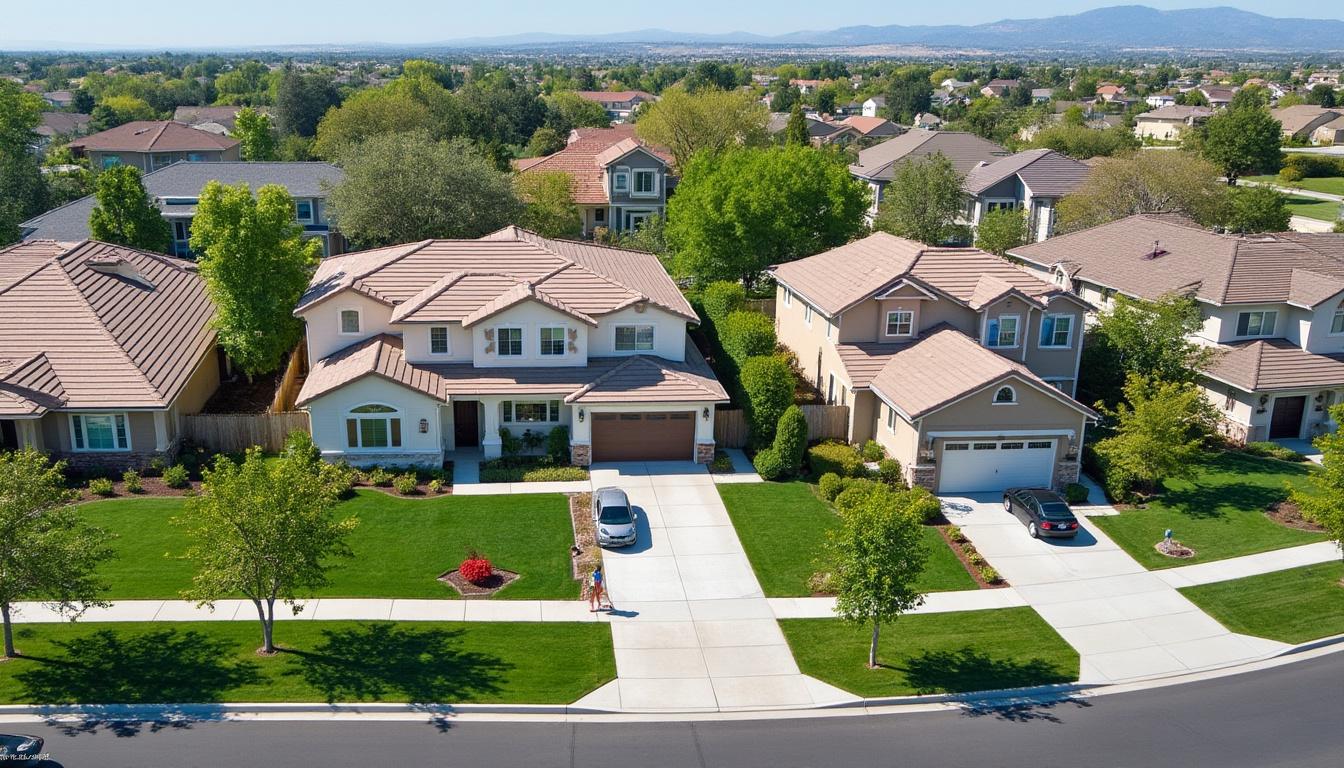
Homeowners in San Joaquin County may be eligible for several tax exemptions and relief programs that reduce the amount of taxable value on their property, thus lowering their property tax bills. The most widespread exemption is the Homeowner’s Exemption, available to primary residences, which deducts a fixed amount from the assessed value, offering notable tax relief. Besides this, there are programs for seniors, veterans, and disabled homeowners that further ease the tax burden.
The Homeowner’s Exemption and Additional Relief Options
The Homeowner’s Exemption provides a $7,000 reduction in assessed value for the property occupied as a primary residence. This exemption is applied automatically to new homeowners who file an application, which is often mailed after purchase, but it’s crucial to ensure it is submitted timely to realize the benefit. Additional exemptions exist for seniors 65 and older, veterans with certain service-related disabilities, and disabled individuals, each with specific eligibility criteria and benefits.
Beyond exemptions, San Joaquin County offers relief programs for those experiencing financial hardship or those whose properties are mis-assessed. It’s worthwhile to explore these avenues if you face challenges keeping up with tax payments. Tax relief can be particularly critical in communities with rapidly rising home values, where property tax bills can escalate quickly without such programs to offset increases.
How to Apply for Exemptions and Where to Find Help
Homeowners should contact the San Joaquin County Assessor’s Office or consult online portals such as official exemption resources to confirm eligibility and obtain application forms. The Assessor’s office located at 44 North San Joaquin Street in Stockton is also a helpful point of contact to answer questions, submit documents, or schedule consultations.
Filing for exemptions promptly after acquiring a property or changes in homeowner status is crucial because some exemptions aren’t applied retroactively and require annual renewal. Besides exemptions, property owners should verify their assessment notices carefully each year to ensure all eligible tax relief is accounted for, preventing overpayment.
Critical Property Tax Payment Deadlines and Appeal Processes in San Joaquin County
San Joaquin County homeowners must stay vigilant about important deadlines related to property tax payments and appeals to avoid penalties and capitalize on opportunities to challenge assessments that might be inaccurate or unfairly high. The process begins with property valuation, which is set on January 1 of the tax year. Following this, the county provides assessment notices in mid-May that outline your property value and estimated tax obligations.
Key Deadlines for Tax Payment and Appeals
Tax bills are issued on October 1 each year with two main payment deadlines: December 10 and April 10. Failure to meet these dates can lead to penalties, interest charges, or eventually tax liens and foreclosures. For property owners suspecting their assessed value is too high, the appeal deadline is November 30. This deadline is non-negotiable, meaning appeals must be filed promptly to be considered.
The appeal process involves submitting evidence such as recent sales comparisons, independent appraisals, or documentation of property damage to the San Joaquin County assessor’s office. Taking this step can reduce your property tax bill if the appeal results in a lowered assessed value. Organizations like Ownwell offer appeal assistance and can handle much of the paperwork and representation for homeowners to increase their chances of success.
Consequences of Missing Deadlines and Tips for Staying On Track
Missing the tax payment deadlines not only results in financial penalties but can put homeowners at risk of losing their properties due to tax foreclosure. Likewise, failing to appeal incorrect assessments by the deadline means homeowners will be stuck paying taxes based on potentially inflated valuations.
Property owners should utilize calendars, reminders, and professional advice to manage these critical dates. Reviewing annual assessment notices immediately upon receipt is essential, as it provides a timely opportunity to evaluate your tax situation and initiate appeals if necessary.
Trends and Insights on Property Tax Impacts for Homeowners and Investors in San Joaquin County
As San Joaquin County continues to experience shifts in housing demand, market prices, and public services funding, understanding the evolving property tax landscape becomes critical for both homeowners and real estate investors. Given the median home value surpassing $320,000 and varied tax rates, many property owners face rising tax bills annually, especially in high-demand neighborhoods.
Impact of Market Dynamics on Tax Assessments
Market trends directly impact assessed values, which form the basis of property tax calculations. When the local real estate market is strong, as evidenced in cities like Mountain House with median home prices nearing $786,000, assessed values and thus tax bills increase significantly. This scenario puts pressure on homeowners who may face tax bills running into five figures.
Investors and prospective buyers must consider property tax implications when evaluating the total cost of ownership or rental income potential. Understanding the tax structure, exemptions, and appeal rights can optimize investment returns. Properties in areas with lower effective tax rates such as Linden or Victor might provide more favorable conditions, balancing purchase price against tax cost.
Strategic Considerations for Managing Tax Liabilities
Smart homeowners and investors actively engage in tax planning strategies including applying for all applicable exemptions, appealing inflated assessments, and monitoring market trends. Utilizing tools like the San Joaquin County property tax trends analysis can help anticipate tax changes and budget accordingly. Additionally, awareness of special assessment districts and their implications on overall tax rates supports better financial planning.
| City | Median Home Price | Median Effective Tax Rate | Median Annual Tax Bill |
|---|---|---|---|
| Mountain House | $786,381 | 1.60% | $12,604 |
| Linden | $371,455 | 1.04% | $3,992 |
| Victor | $106,154 | 1.73% | $1,949 |
| Stockton | $235,130 | 1.27% | $3,158 |
| Tracy | $493,242 | 1.15% | $6,301 |
Careful attention to these property tax factors enables homeowners and investors to make strategic decisions that safeguard their financial interests while maximizing the benefits of property ownership in San Joaquin County.
For an interactive tool to help estimate your property taxes in San Joaquin, consider visiting the San Joaquin County property tax insights to explore customized information and up-to-date assessments.