
The industrial real estate market in 2026 continues to capture the attention of investors and businesses alike, driven by evolving supply chain dynamics, growing e-commerce demands, and shifting urban development patterns. Purchasing industrial property requires more than just a financial commitment; it demands an in-depth understanding of the complex factors that influence property value, operational efficiency, and long-term returns. From location and zoning regulations to environmental assessments and tenant stability, each element plays a critical role in securing a smart investment. This article explores the key considerations any buyer must weigh before acquiring commercial industrial spaces, offering detailed insights and practical examples to illuminate each aspect of the purchase process.
Key Takeaways
- Location near transport hubs and urban centers hugely impacts industrial property desirability and rental yield.
- Thorough due diligence including environmental assessments, roof inspections, and property condition evaluations is essential to uncover hidden costs.
- Diverse tenant mixes and longer lease agreements can mitigate income risks and stabilize cash flow.
- Understanding zoning restrictions is critical for assessing future development potential.
- Market dynamics, including vacancy rates and net absorption, must guide investment timing and pricing strategies.
Evaluating Location and Market Dynamics for Industrial Property Investment
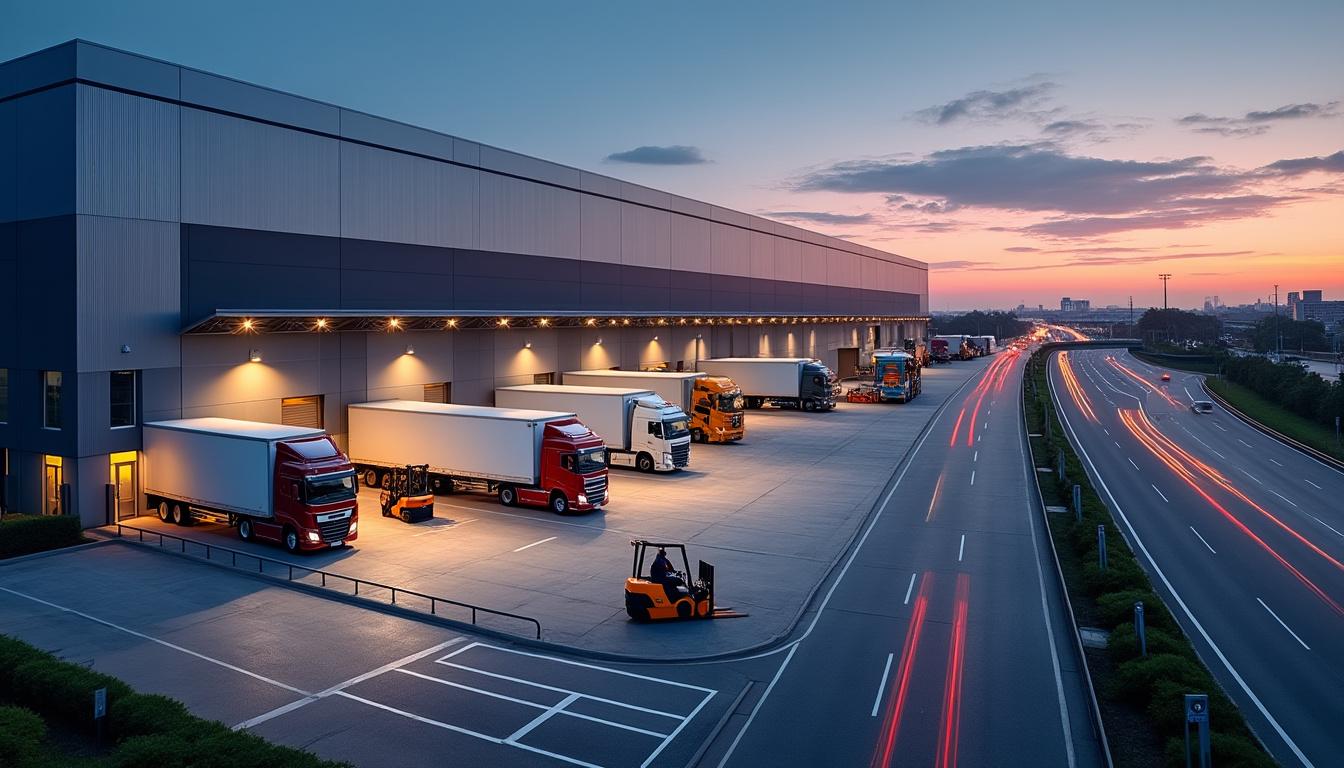
Location remains the cornerstone of successful industrial property investment. Properties situated near major transport arteries, such as highways, rail lines, or ports, offer strategic advantages for logistics and supply chain operations. In 2026, e-commerce continues to accelerate the need for warehouses and distribution centers close to populous urban areas, enabling faster delivery times and reducing last-mile costs.
Consider, for example, a warehouse near Los Angeles’ Ports of Long Beach and Los Angeles, two of the busiest in the United States. Such proximity provides tenants with superior access to import and export channels, enhancing the property’s appeal. Additionally, industrial parks located near residential zones have become increasingly attractive, blending operational convenience with a growing labor pool.
A deeper analysis of market conditions is imperative before committing to a purchase. Vacancy rates offer a direct measure of demand, with low vacancies indicating scarcity of available space and stronger rental growth potential. Investors should scrutinize net absorption metrics to understand whether more space is being leased than vacated — a critical indicator that demand is outpacing supply.
High vacancy or oversupply in certain submarkets signals risks of prolonged empty units and declining rents. On the flip side, markets characterized by positive net absorption often prompt rental rate increases, providing robust income for property owners. Understanding these trends empowers investors to select locations with enduring demand, as detailed in broader real estate analyses like those found in commercial real estate discussions.
Furthermore, the location’s proximity to a skilled workforce impacts tenant success and, consequently, lease stability. For industrial properties, accessibility to labor markets that can support manufacturing, warehousing, and distribution tasks is a major plus that reinforces property value.
Critical Considerations About Property Condition and Physical Assessments
Once a promising industrial property for sale has been identified, assessing its physical state is a vital step that can significantly influence both upfront costs and future profitability. The condition of the roof is often one of the first things to evaluate, given its impact on maintenance budgets and operational continuity. Roof inspections cost approximately $0.10 to $0.50 per square foot but can save buyers from unexpected, expensive repairs. For instance, a leaking roof in a warehouse can cause damage to inventory, disrupting tenant operations and rental income.
Similarly, inspecting HVAC and electrical systems is essential. Upgrading outdated or undersized systems often represents a substantial investment but is necessary to meet tenant requirements and comply with energy efficiency standards. Industrial properties with modern, well-maintained mechanical systems command higher rents and experience fewer vacancies.
Paving surfaces such as parking lots, yards, and loading docks are critical for smooth logistics operations. Deteriorated pavement leads to higher maintenance costs and can deter prospective tenants. Sprinkler and fire suppression systems must also be operational and compliant with safety codes to mitigate risks and insurance premiums.
Lighting quality is another often-overlooked factor. Well-lit warehouses improve worker safety and operational efficiency, while energy-efficient lighting solutions reduce utility costs. Industrial property owners can see a meaningful return on investment by upgrading to LED systems or installing smart lighting controls.
Beyond individual components, a comprehensive Property Condition Assessment (PCA) should be commissioned before finalizing any purchase. These assessments, which range in cost from $2,000 to $5,000, provide detailed insights into all physical aspects of the property — from structural integrity to mechanical systems. A well-executed PCA equips investors with the knowledge necessary to negotiate price adjustments or plan capital expenditures effectively, as emphasized in a comprehensive buying checklist.
Understanding Zoning Regulations and Legal Considerations in Industrial Property Acquisition
Zoning regulations present a decisive factor in the feasibility and future prospects of any industrial property investment. Buyers must ensure that the zoning classifications match their intended use, whether for manufacturing, warehousing, logistics, or mixed-use purposes. Non-compliance can lead to operational restrictions or costly adjustments down the line.
In many regions, zoning laws can also determine the allowable building coverage, height restrictions, and even the types of businesses permitted. Investors looking to capitalize on future development or redevelopment opportunities need to conduct detailed investigations into local land use policies. For example, a site with a low site coverage ratio might offer expansion potential, allowing the addition of more warehouse space or office facilities.
Title search and property survey are essential milestones in the due diligence timeline. These legal steps confirm clear ownership and unearth any encumbrances or easements that could hinder the use or sale of the industrial property. Surveys also verify boundary lines, which can prevent expensive disputes or inadvertent violations of zoning setbacks.
Ignoring these legal elements can be perilous. For instance, a buyer who fails to verify zoning approval may find that their business operations are nonconforming, facing fines, forced relocation, or lack of insurance coverage. In addition, understanding property tax assessments, local incentives, and environmental compliance requirements shapes the overall investment strategy.
For comprehensive advice on navigating legal frameworks and zoning specifics, investors can find valuable guidance on established platforms discussing industrial real estate investment.
Financial Due Diligence and Tenant Analysis: Securing Sustainable Income
The financial health of the industrial property investment heavily depends on tenant quality and lease structuring. Industrial leases typically span 3 to 10 years, providing a spectrum of income certainty. Longer leases reduce the risk of income interruption from vacancy but might lock the owner into below-market rents if lease terms are outdated.
Tenant mix is crucial for mitigating risk. Properties that accommodate multiple tenants from diverse industries reduce exposure to sector downturns. For instance, a facility leased simultaneously to a logistics firm, a light manufacturing company, and a telecommunications provider spreads economic risk and stabilizes cash flow even during economic fluctuations.
Due diligence involves reviewing tenant financials to assure payment reliability and evaluating existing lease agreements for renewal terms, rent escalations, and expense responsibilities. Holding security deposits — often equivalent to three months’ rent — is a common protective measure.
Investors must also consider operating expenses like taxes, insurance, and maintenance, benchmarking them against income to calculate net operating income (NOI) and capitalization rates. Understanding these financial metrics enables the investor to compare properties effectively and identify those with the best return potential.
Below is a typical timeline for key due diligence steps and their estimated costs, helping prospective buyers to plan and allocate resources:
| Due Diligence Step | Typical Timeline | Estimated Cost |
|---|---|---|
| Broker Price Opinion (BPO) | Initial stages of property identification | Free or nominal fee |
| Environmental Site Assessment (Phase I & II) | Early in due diligence | Varies depending on complexity |
| Roof and Physical Site Inspections | During physical inspection phase | $0.10 – $0.50 per sq. ft. for roof; varies for others |
| Property Condition Assessment (PCA) | Before finalizing purchase | $2,000 – $5,000+ |
| Title Search and Survey | Later stages of due diligence | Costs vary by location and property size |
These financial and operational considerations make clear that investing in industrial real estate is a comprehensive process, entailing both risk and opportunity. Balancing these factors carefully can generate steady rental income and property appreciation over time.

Exploring Future Development Potential and Redevelopment Opportunities
One of the most forward-looking dimensions in industrial property investment is analyzing the scope for future development. Understanding the property’s zoning regulations alongside physical site characteristics can reveal expansion possibilities that significantly enhance value.
For example, sites with a low site coverage ratio — meaning a small portion of the land is currently built upon — offer room for additional construction, enabling owners to increase leasable area or adapt to evolving tenant needs. Creative redevelopment may include adding office space within an industrial complex or converting parts of the property for mixed uses, which can attract a broader tenant base.
Investors should engage with local planning authorities to grasp any zoning changes on the horizon, variances available, and infrastructure projects that might improve site accessibility. The interaction of these factors can provide competitive advantages or, conversely, impose constraints.
Moreover, environmental remediation or modernization investments often unlock value, especially as sustainability standards tighten. For instance, upgrading to green building certifications or incorporating solar energy systems can command premium rents and attract environmentally conscious tenants.
The potential for redevelopment also affects exit strategies. Properties with flexible zoning and expansion room provide buyers with more options, increasing liquidity and long-term profitability. Assessing these development facets early ensures that investors do not overlook critical growth pathways, as highlighted in expert analyses like those focused on industrial investor considerations.