
Pokémon GO, since its launch, has captivated millions by merging augmented reality with real-world exploration. One of the game’s core features, PokéStops, provides players with vital in-game resources such as Poké Balls, potions, and quest items. However, the placement of these PokéStops on private property has sparked considerable debate and confusion over access rules and property boundaries. Many players seek to leverage what some call the « private property loophole »—hoping to benefit from a PokéStop located on or near their own land. Navigating this complex intersection of game mechanics, privacy, and local laws requires awareness of Niantic’s player guidelines, property rights, and community conduct. The evolving landscape of this issue highlights the challenges and opportunities of in-game locations tied closely to real-world spaces.
Key Points Overview:
- PokéStops are crucial in Pokemon Go for gathering resources but their placement on private property leads to complications.
- The so-called private property loophole tempts players to try to have PokéStops on or near private homes, though Niantic discourages this for several ethical and gameplay reasons.
- Understanding access rules and property boundaries is essential to avoid trespassing and legal disputes.
- Community platforms and official Niantic guidelines provide insights and evolving policies on how to handle PokéStops on private lands.
- The balancing act between encouraging exploration while respecting real-world property rights is a key challenge for both players and Niantic.
Understanding the Role of PokéStops and Their Placement in Pokémon GO
PokéStops are indispensable locations within Pokémon GO’s game mechanics. These points typically correspond to real-world landmarks such as historical markers, public art, monuments, and community centers. Players visiting PokéStops collect essential items that enable them to capture Pokémon, complete quests, and progress in the game.
Importantly, Niantic’s aim with PokéStops is to encourage players to explore public spaces, fostering community interaction and physical activity. This focus stems from the company’s broader social contract promoting safe and respectful gameplay. As a result, the nomination and approval process for new PokéStops is designed to filter out inappropriate or inaccessible locations, including those on private property not open to the public.
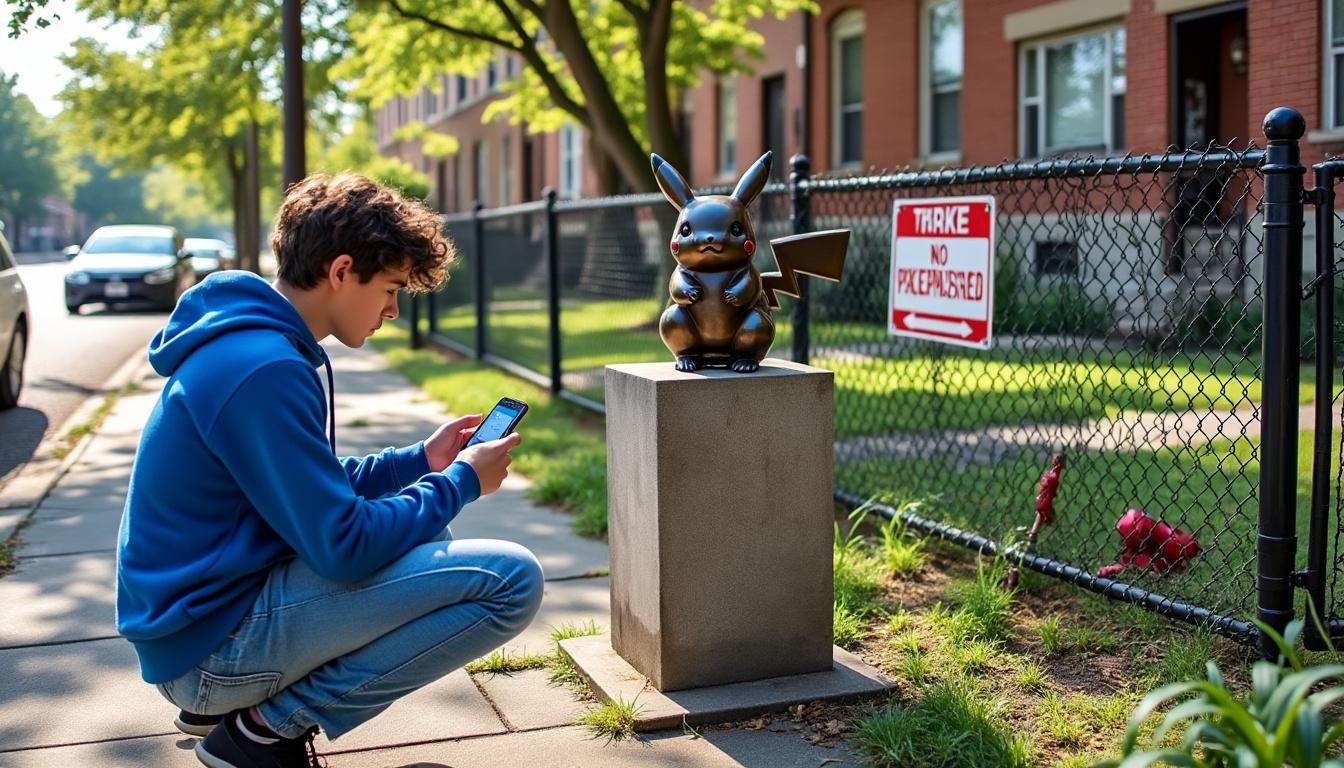
Despite these safeguards, the discovery of PokéStops that exist on private property has caused tension between players, property owners, and Niantic. Locations such as front lawns, private businesses, or homes becoming PokéStops can trigger disputes over unwanted foot traffic or trespassing, raising concerns amongst property owners who may feel their privacy infringed upon.
From a gameplay perspective, players who have a PokéStop close to their residence can greatly benefit, especially in rural or underserved areas with few PokéStops nearby. The temptation to leverage this proximity has given rise to attempts exploiting a perceived loophole, where submitting a location on one’s private property could yield an advantage. However, Niantic clearly discourages single-family homes as PokéStops, emphasizing the need for locations accessible to the public to uphold the game’s core values.
For an in-depth look at how to make your home a PokéStop and the realities around that myth, players can explore resources such as expert analyses on home PokéStops.
Decoding the Private Property Loophole: Myth Versus Reality
A key question arises for many trainers: is there a legitimate loophole to get PokéStops placed on private property, particularly their own? This “private property loophole” notion typically involves circumventing Niantic’s public access requirements by submitting waypoints located on private land. While the idea sounds enticing, it overlooks the company’s rigorous review process and the stated policies governing PokéStop placements.
Niantic’s Wayfarer platform enables players to submit nominations for PokéStops, but each submission undergoes community and company review. For a location to be approved, it must be publicly accessible and safe. Private residential homes generally fail these criteria unless the property is a public landmark, business, or cultural site.
Nevertheless, occasional exceptions have surfaced. Some players have successfully managed to get their private property recognized as a PokéStop, particularly when the locations hold historical significance, are designated landmarks, or become community gathering points. An example includes a player who converted a historic home into a PokéStop after demonstrating its cultural value via a detailed case study.
These successful cases do not open a general loophole but highlight how specific, well-documented nominations can override typical private property restrictions. Additionally, players and property owners agreeing to some level of public access or visibility may influence approval.
Attempting to exploit this loophole without adhering to access rules or respecting property boundaries risks PokéStop removal and player penalties. Community reports on platforms such as Niantic Wayfarer forums often discuss challenges in dealing with private property PokéStops, including disputes over unwanted traffic and privacy concerns.
Ultimately, the so-called loophole is more myth than guaranteed opportunity, emphasizing the importance of understanding the balance between game interests and real-world property rights.
Legal Considerations and Property Boundaries Related to PokéStops on Private Land
The intersection of augmented reality games like Pokémon GO with private property law has become a hot topic. PokéStops located on private property can inadvertently lead to trespassing issues, conflicts, and even lawsuits.
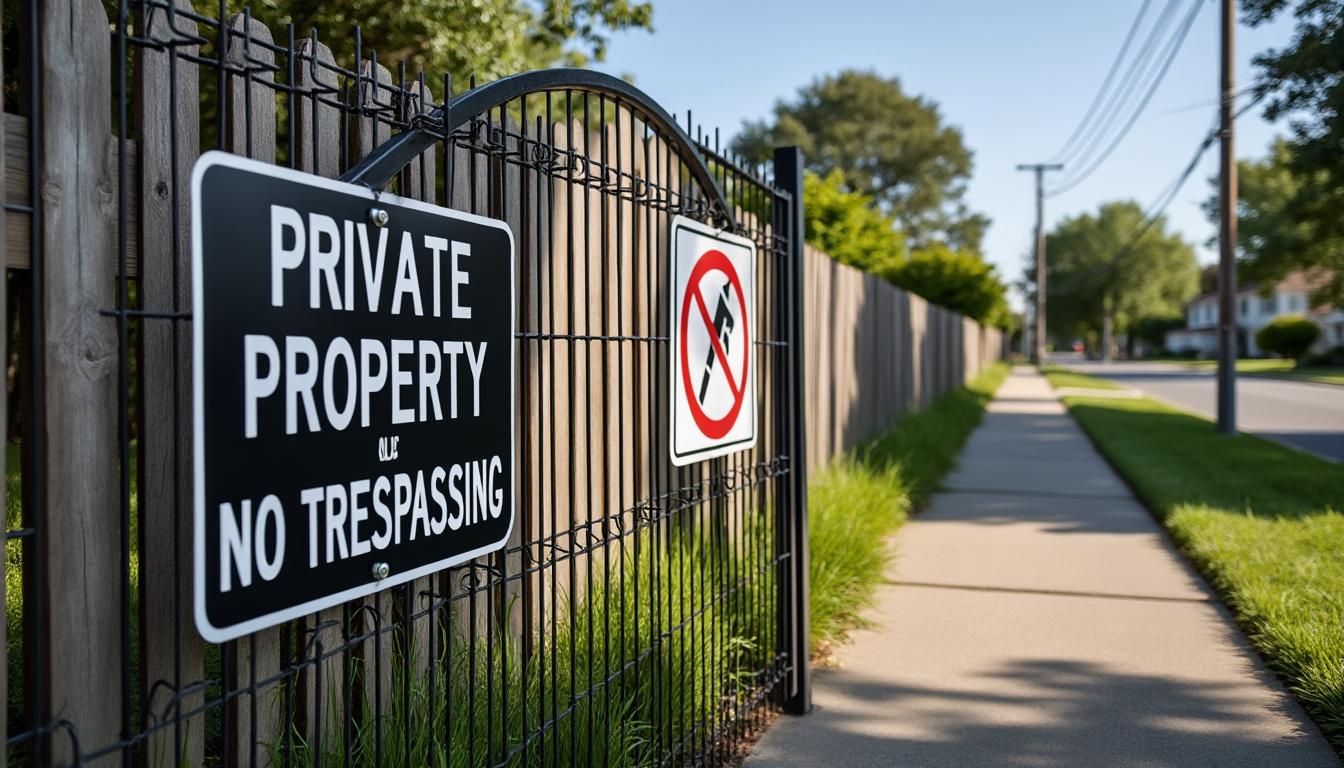
In the United States, private property owners have the right to control access to their land. If a PokéStop requires players to enter or stand on private property without permission, that constitutes trespassing. Niantic’s guidelines strongly discourage submitting waypoints that require players to trespass; however, enforcement presents challenges as the game’s augmented reality overlay interacts with real-world locations beyond developer control.
Legal experts emphasize the importance of respecting property boundaries. Owners encountering persistent issues with Pokémon GO players on their land might pursue legal action or place clear signage to discourage entry. This dynamic is explored in detail by legal analysts focusing on “Pokémon GO and the law of trespass,” providing clarity on potential liabilities and player responsibilities as outlined in expert legal commentary.
Players should adhere to the following guidelines to avoid legal problems:
- Never enter private property without explicit permission.
- Avoid interacting with PokéStops or gyms that are clearly located within fenced or posted private areas.
- Report PokéStops on inaccessible private property through the Niantic support system.
- Stay informed about local laws concerning trespassing and augmented reality games.
Addressing these challenges requires cooperation between Niantic, players, and property owners to maintain a respectful and safe gaming environment. Community efforts, including reporting inappropriate PokéStops, help ensure that game interactions remain appropriate and lawful.
Community Tools and Player Guidelines for Navigating Access to PokéStops
In 2026, players are supported by extensive community-driven tools and official guidelines to navigate PokéStop accessibility issues. Online platforms like Niantic Wayfarer Reddit community offer space to discuss private property issues, share experiences, and request assistance with nominating suitable PokéStops.
Additionally, mapping websites such as PogoMap provide comprehensive maps showing PokéStop and gym locations worldwide. These tools aid players in planning routes that respect property rules and avoid restricted areas.
Niantic’s player guidelines emphasize the following key points:
- Respect for property owners: Do not trespass or enter private property unless explicitly permitted.
- Submission standards: Only nominate locations that are publicly accessible and safe to reach.
- Community reporting: Players are encouraged to flag PokéStops that violate access rules or are located on private, non-public property.
- Engagement with local communities: Collaborative efforts between players, local governments, and businesses help maintain vibrant and lawful play environments.
Following these guidelines maintains the spirit of Pokémon GO – encouraging exploration, social interaction, and exercise – while honoring boundaries that protect private property rights and player safety.
| Aspect | Recommendation | Reason |
|---|---|---|
| Location Submission | Nominate landmarks accessible from public pathways | Ensures safety and compliance with Niantic’s rules |
| Private Property Handling | Avoid submitting single-family homes or fenced private spaces | Prevents trespassing and privacy violations |
| Community Reporting | Report PokéStops that violate access or safety rules | Maintains a respectful player environment |
| Legal Awareness | Stay informed on local laws and trespass definitions | Reduces risk of legal conflicts |
Strategies and Best Practices for Successfully Navigating PokéStop Access Challenges
Players and communities aiming to navigate the complexities of PokéStops on or near private property must adopt thoughtful strategies to maximize enjoyment without crossing legal or ethical boundaries. Here are some proven best practices:
- Focus on public landmarks: Prioritize submitting nominations for locations with recognized historic, cultural, or community significance that are publicly accessible.
- Work with property owners: If a potential PokéStop is on private property, seek permission or collaboration with the owner, especially local businesses or cultural venues.
- Leverage well-documented nominations: Provide good photographic evidence, detailed descriptions, and proof of public access when submitting locations.
- Engage with local player groups: Community discussion helps identify optimal sites and raises awareness of access rules.
- Remain respectful to neighbors: Avoid spurring unwanted foot traffic or noise by maintaining considerate play behavior around private areas.
Adopting these approaches fosters sustainable growth of PokéStop networks, benefits the player base, and keeps the game aligned with Niantic’s vision of promoting real-world interaction and exercise.