
In the dynamic real estate landscape of Stark County, Ohio, gaining accurate insight into property details is crucial for anyone involved in buying, selling, or managing real estate. Whether you’re a prospective homeowner, investor, or real estate professional, understanding how to navigate the comprehensive Stark County property search system can unlock valuable knowledge about public records, land ownership, and property boundaries. With evolving technologies and legal requirements shaping how records are maintained and accessed in 2026, it is now easier than ever to conduct a meticulous title search and evaluate critical elements such as deed information and liens. This guide delves into practical methods, resources, and key legal concepts necessary for proficiently handling real estate inquiries within Stark County’s jurisdiction.
- Stark County property search offers public access to extensive real estate records essential for ownership verification.
- The county auditor and recorder offices maintain integral land records, including deeds, tax information, and property boundaries.
- Online portals enhance convenience for examining parcel data, historical transactions, and legal encumbrances without visiting offices.
- Understanding the legal framework ensures accurate title searches and protects ownership rights.
- Additional tools like GIS parcel viewers provide geographical context to properties, aiding investors and buyers in assessing locations.
Understanding the Core Components of Stark County Property Records
At the heart of a successful Stark County property search is the recognition of what constitutes property records in this jurisdiction. These records are official documents managed by county offices that provide a detailed view of real estate parcels across the region. They encompass various data elements such as ownership history, property valuation, tax details, and legal encumbrances.
Stark County’s property records adhere strictly to the mandates of Ohio Revised Code § 317.09, requiring meticulous recording and preservation of all real estate transactions. The division of responsibilities between county entities makes it essential to know where to find specific documents. The Stark County Auditor’s Office, located at 110 Central Plaza South, Suite 220, Canton, OH, oversees property valuations, tax details, and parcel mapping. Meanwhile, the Stark County Recorder’s Office, situated in Suite 170 of the same building, handles the official recording of deeds, mortgages, liens, and easements.
Typical property records include:
- Deeds and mortgages: Establish ownership transfer and financial obligations linked to the property.
- Tax information: Covers assessed and market value, property tax rates, exemptions, and payment history.
- Legal encumbrances: Includes liens, easements, and restrictive covenants affecting the property’s title and use.
- Property specifications: Covers dimensions, zoning classifications, building improvements, and physical characteristics.
Understanding these components is critical when verifying property ownership and title history, especially if you are considering real estate investments or title insurance. The combination of these records creates an authoritative archive that can trace ownership chains for decades, giving clarity to potential buyers or stakeholders regarding their investment’s legal foundation.
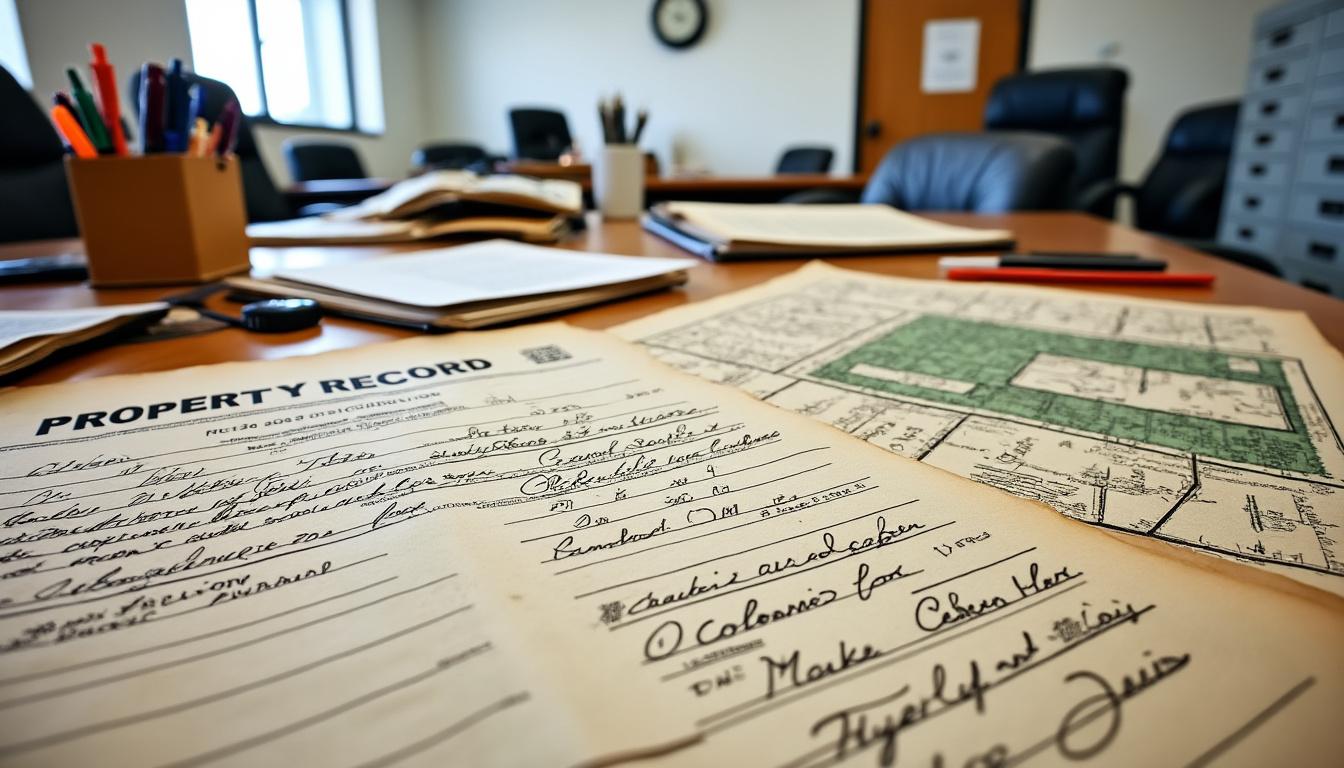
Effective Online Stark County Property Search Techniques
Advancements in technology have increasingly digitized Stark County’s public records, allowing property searches to be conducted remotely with great efficiency. In 2026, multiple online resources are available for residents and professionals seeking to access land records and comprehensive property details.
The most notable digital tool is the Stark County Property Search portal, accessible 24/7 and designed for user-friendly navigation. This system empowers users to conduct searches by parcel identification number (PIN), property address, or owner name, enabling tailored, efficient research.
Key features of the portal include:
- Advanced search filters: Narrow results by property type, sale date ranges, valuation brackets, or geographical boundaries.
- Parcel Viewer Integration: Utilize GIS mapping to visualize property boundaries, zoning districts, and nearby amenities.
- Document access: View and download deed information, tax statements, and recorded liens.
- Mobile responsiveness: Optimized for use on smartphones and tablets, facilitating property review while on-site.
For less tech-savvy individuals, live assistance is available during office hours at the Auditor’s and Recorder’s offices, ensuring that all users can access necessary real estate records without barriers. It is also possible to submit written requests for specific documents if online access is insufficient, which is vital for obtaining hard copies or certified documents needed in legal proceedings.
Using the online portal effectively involves understanding which records are needed for your specific goals—such as validating ownership, confirming tax statuses, or reviewing encumbrances—and then applying the relevant filters to extract detailed data rapidly. This technology dramatically reduces the necessity for physical visits to public offices, enabling quicker decisions grounded in solid real estate data.
Legal Framework and the Significance of the Property Owner Rule
Comprehending legal nuances such as the Property Owner Rule in Stark County is essential for anyone conducting a thorough title search or property ownership verification. Based on Ohio Revised Code § 5301.25, this rule establishes strict criteria for recording deeds and property-related instruments, profoundly affecting the establishment of ownership rights and priority.
The rule mandates that all property transfers and encumbrances must be properly recorded with the County Recorder’s Office for them to affect third parties. While unrecorded agreements remain valid between the involved parties, they do not provide public notice, potentially leaving owners vulnerable when others record competing interests later.
In practice, this principle means:
- Documents must comply with formal requirements, including notarization and tax identification numbers.
- Recording fees must be paid to officially document a property transaction or lien.
- Recording establishes the “first in time, first in right” precedence, often determining rightful property claims.
A failure to promptly record property documents can jeopardize ownership claims, complicate sales processes, and create legal disputes. Awareness of the Property Owner Rule assists buyers, sellers, and lenders in ensuring their interests are legally protected. Many real estate professionals in Stark County advise consulting qualified attorneys to navigate complex title issues or disputes that arise due to improperly recorded documents.
For detailed guidelines and legal assistance concerning this rule and property recordings, the Stark County Auditor FAQs offer a valuable starting point with updated information reflecting 2026 regulations.

Identifying Liens and Encumbrances to Uncover Clear Property Titles
One of the most critical components in any diligent Stark County property search is confirming the absence or presence of liens, as these significantly impact the marketability and ownership rights of real estate. Liens are recorded claims or legal holds on property, ensuring debt repayment obligations are met, but they can also complicate or stall transactions if undisclosed.
Stark County maintains lien records across several offices, including:
- Recorder’s Office for mortgages, mechanic’s liens, and easements.
- County Clerk of Courts for judgment liens and other court-ordered encumbrances.
- County Treasurer’s Office for tax liens associated with unpaid property taxes.
Common liens that may surface in searches include tax liens, mortgage liens, mechanic’s liens (commonly due to unpaid contractor fees), judgment liens from legal proceedings, federal tax liens, and even child support liens. A thorough lien check involves reviewing multiple databases and sometimes necessitates physical examination at the respective offices.
For convenience, the Stark County Property Search online tool incorporates lien data, but users should be cautious, as not all liens may be fully integrated digitally. In many complex transactions, partnering with a trusted title company or legal professional who specializes in lien searches can provide greater assurance that the property titles are clear.
| Type of Lien | Description | Office Responsible | Impact on Transaction |
|---|---|---|---|
| Mortgage Lien | A debt secured by the property purchased | Recorder’s Office | Must be satisfied or assumed for clear title transfer |
| Tax Lien | Unpaid property tax owed to county or municipality | County Treasurer’s Office | Can lead to foreclosure if unpaid |
| Mechanic’s Lien | Claim by contractors for unpaid work or materials | Recorder’s Office | May cloud title and delay sales |
| Judgment Lien | Resulting from court rulings for unpaid debts | County Clerk of Courts | Can lead to forced sale of property |
Understanding liens in the property history is indispensable in guaranteeing no hidden financial or legal obstacles accompany real estate investments. Public access to this information emphasizes transparency, helping buyers make well-informed decisions.
Leveraging Stark County’s Public Records for Informed Real Estate Decisions
The wealth of public records maintained by Stark County is a powerful resource for anyone engaged in real estate transactions. These records ensure transparency in property ownership and taxation, fostering a fair and reliable market.
Most of Stark County’s property data is open to the public under the Ohio Public Records Act, providing individuals with accessible information for title searches, valuation disputes, or legal matters. This transparency supports:
- Verification of ownership and property boundaries to prevent fraudulent transactions.
- Accurate property tax assessments and eligibility for relief programs such as the Homestead Exemption or Current Agricultural Use Valuation (CAUV).
- Clarification of easements, rights-of-way, and restrictive covenants impacting property use and value.
- Access to historical property transfer records, enabling buyers to track title chains and previous sales.
Utilizing tools such as the Stark County Auditor’s Real Estate database enables stakeholders to access property ownership and tax data swiftly. Furthermore, interactive parcel viewers available online offer an immersive experience to visualize geographical property boundaries and surrounding infrastructure.
The county also provides educational resources and customer service through its Auditor’s office, where experts assist with property tax calculations, appeals, and exemptions. This backing ensures owners and investors navigate the real estate market with confidence and precision.
| Service | Description | Access Method |
|---|---|---|
| Property Ownership Records | Current and historical ownership information maintained by the Auditor and Recorder | Online portal or in-person office visits |
| Tax Information and Payment Status | Assessment values, payment history, and exemptions | Stark County Auditor’s property search tool |
| Parcel Mapping and Boundaries | GIS-based parcel viewer showing exact property limits | Online interactive map viewer |
| Deed and Document Retrieval | Access to recorded deeds, mortgages, liens, and easements | Recorder’s office and digital records search |
Using this rich database effectively helps mitigate risks and identify opportunities within Stark County’s real estate market. For detailed guidance on performing targeted searches in other counties, articles like how to conduct county property searches efficiently offer strategic insights that complement local knowledge.