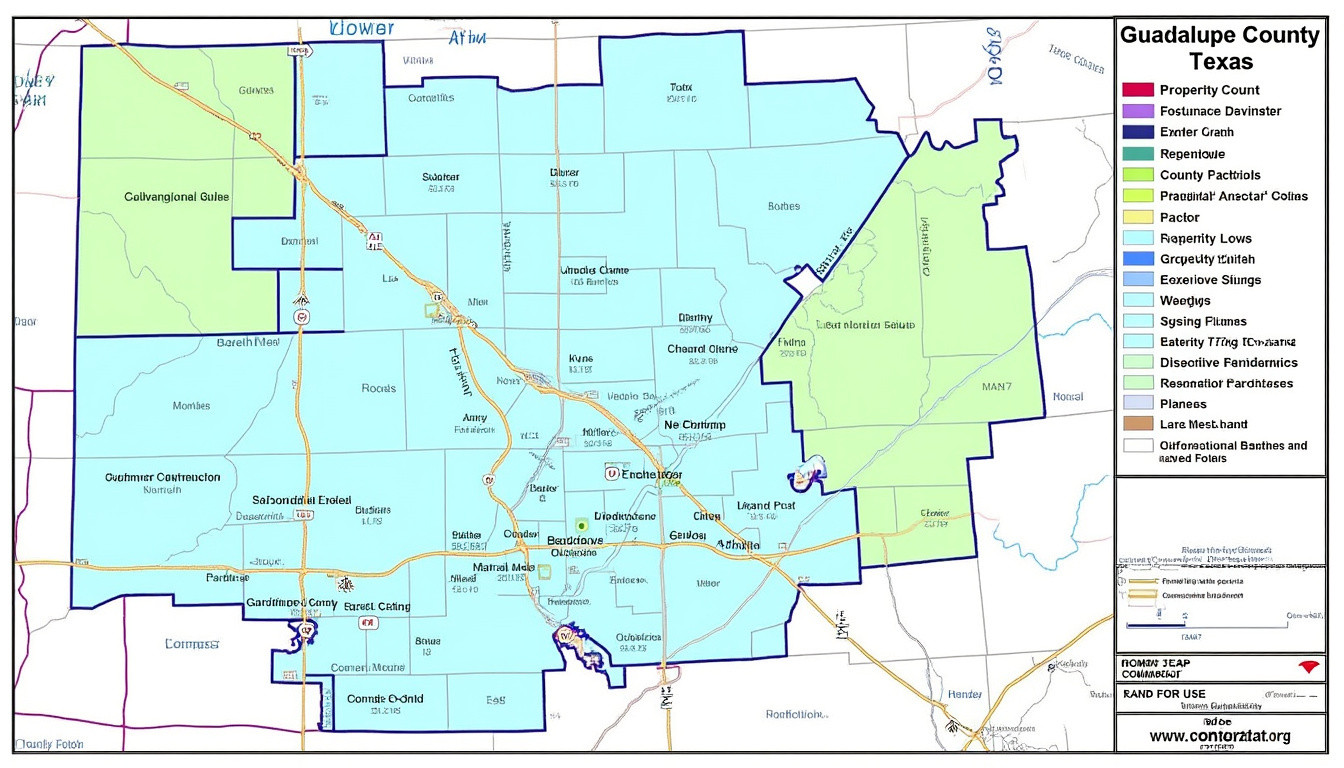
Conducting a comprehensive property search in Guadalupe County is a critical step for buyers, investors, and legal professionals navigating the dynamic real estate market in Texas. With a mix of suburban neighborhoods, rural land, and emerging developments, Guadalupe County holds a diverse portfolio of real estate opportunities. Understanding the available public records, county resources, and precise methods to investigate property ownership and history can safeguard transactions and reveal valuable insights for stakeholders. As of 2026, accessing and interpreting these records effectively requires familiarity with local systems and an awareness of evolving digital tools that have transformed property research from a cumbersome task into a streamlined process.
Key Points for Efficient Guadalupe County Property Search:
- Leverage official county resources such as the Guadalupe County Clerk and the Appraisal District for authentic records.
- Use digital platforms designed for title search, deed research, and land ownership verification to retrieve comprehensive documents quickly.
- Understand the types of records to search including deeds, liens, plats, and mineral rights to gain a holistic view of property boundaries and history.
- Be aware of public records accessibility policies and the importance of verifying data through official channels.
- Adopt a detailed strategy involving multiple searches including grantor-grantee indices, legal descriptions, and tax records for a thorough analysis.
Navigating Guadalupe County Public Records for Property Ownership Verification
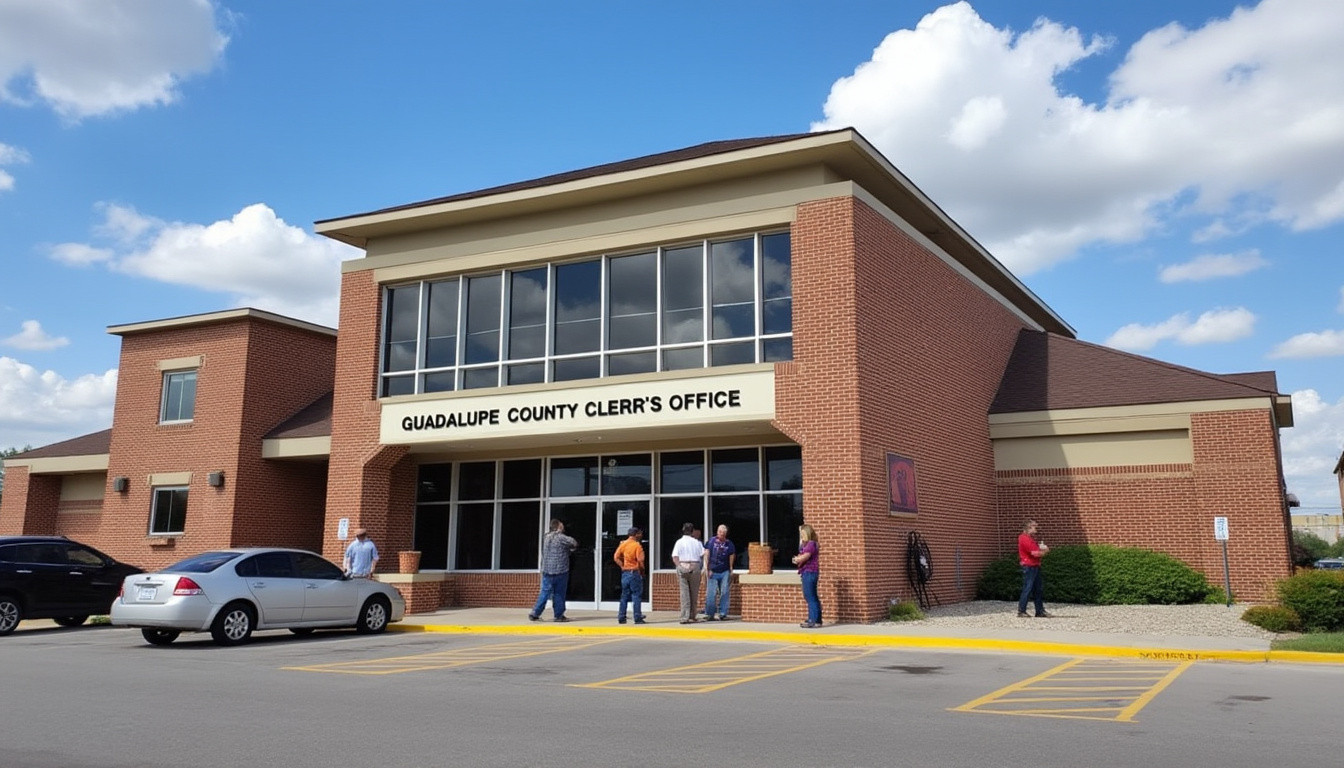
In Guadalupe County, the foundational step in any property search involves accessing public records to confirm land ownership and history. The County Clerk’s office, located at 211 W. Court St, Seguin, Texas, operates as the primary repository for deeds, liens, mortgages, and oil & gas leases. This office, under the supervision of Teresa Kiel, offers both physical and digital access to vital documents that establish ownership chains and reveal encumbrances on properties.
Utilizing platforms like TexasFile allows users to perform quick searches of Guadalupe County Clerk Records, including grants, assignments, and other transactional records. These public records serve as a legal backbone for land ownership verification and deed research. For example, a prospective buyer investigating a rural tract must confirm that the seller holds clear title free of liens or claims, which can be surfaced through the grantor-grantee search tools available on TexasFile.
Moreover, the Appraisal District’s online system provides value assessments, property boundaries, and recent transactions, crucial for evaluating market trends and tax obligations. Combining the data from the Guadalupe County Clerk with appraisal records results in a more accurate picture of a property’s legal and economic status.
For researchers and legal professionals, it is important to differentiate between abstract legal searches and certified document retrieval. While the county offers instructional guidance on conducting title searches, fully certified, high-quality copies of historical deeds and liens generally require purchase from the Clerk’s office directly.
Example: One investor recently explored a 50-acre property located near Seguin using a combination of the Guadalupe County Clerk Records search and the appraisal district’s online database. This approach uncovered a mineral rights lease affecting part of the land, influencing the investment decision by highlighting possible future revenue streams as well as encumbrances.
Mastering Title Search and Deed Research through County Resources
Title search is the bedrock of any real estate transaction, ensuring that the property has an unbroken chain of ownership and that no legal claims or liens complicate the transaction. In Guadalupe County, conducting a detailed title search requires familiarity with several key resources and a strategic approach to verify all relevant public records.
Title searches begin with the grantor-grantee index, a searchable ledger that tracks property deeds by the names of buyers and sellers. This index, accessible through county offices and official online portals, reveals historical transfers of title. The volume and page numbers listed in these indexes correspond to recorded documents that often include critical clauses affecting ownership rights.
Understanding property boundaries and legal descriptions is paramount during deed research. Guadalupe County offers plat maps and survey records, which are essential in clarifying exact parcel limits, avoiding boundary disputes, and assessing land value. These legal descriptions, such as metes and bounds or lot and block designations, must match across multiple records to ensure accuracy.
In addition to the deeds, liens and encumbrances are important elements to review. Mortgage liens, tax liens, and specialized claims such as oil and gas leases can significantly impact a property’s marketability. The County Clerk’s office holds these public records and provides access either in person or digitally, offering transparency for both buyers and title professionals.
A structured title search should include:
- Examining the grantor-grantee index for the full history of ownership transfers.
- Verifying physical property boundaries through plat maps and survey records.
- Identifying any liens, mortgages, or easements registered against the property.
- Cross-referencing appraisal values to detect any irregularities in property description or valuation.
- Requesting certified copies of important documents from the County Clerk when needed.
Case study: A family purchasing a home in one of Guadalupe County’s expanding residential areas uncovered a previously unrecorded lien on the property by carefully cross-referencing tax office records with official deed registries. This discovery, facilitated by using the Guadalupe County Appraisal District property search tool, protected them from potential financial liability and allowed negotiations to resolve the issue before closing.
Utilizing Tax Office and Assessor Resources to Complement Property Research
Beyond deed and title records, property tax data and assessments provide invaluable context when researching real estate in Guadalupe County. The Guadalupe County Assessor’s Office is responsible for appraising real estate and business-owned personal property as of 2026, which influences tax obligations and reflects market trends.
Through tools offered by the Assessor’s Office, researchers can find detailed property tax records, homestead exemption information, and property classifications. This information aids in evaluating ongoing costs related to property ownership as well as potential benefits such as tax breaks. It also helps verify that the property’s legal description matches those reported for tax purposes, an important step to prevent surprises during transactions.
Many users benefit from the advanced search functions provided by the county tax office, allowing filters by owner name, parcel number, and property address. This multi-faceted approach leads to more reliable data and less room for error. For instance, a land investor examining multiple parcels can efficiently sort properties with similar classifications or ownership history, streamlining due diligence.
In addition to tax amounts, these resources can expose any outstanding tax liens that must be settled prior to transfer of ownership. Aligning findings from the tax assessor with those from the Clerk’s Office and Appraisal District ensures a thorough understanding of the property’s full legal and economic landscape.
Below is an example of property tax data you might retrieve in Guadalupe County:
| Property Address | Owner Name | Appraised Value | Taxable Value | Year | Tax Due |
|---|---|---|---|---|---|
| 123 Main St, Seguin, TX | John Davis | $350,000 | $320,000 | 2026 | $4,500 |
| 450 Ranch Rd, Guadalupe County | Green Meadows LLC | $1,230,000 | $1,200,000 | 2026 | $15,200 |
| 78 Oak Bluff Dr, Seguin | Linda Roberts | $425,000 | $400,000 | 2026 | $5,600 |
For convenient and updated tax information, visit the Guadalupe County Assessor’s online portal where property tax details and other essential data are readily accessible.
Best Practices and Tips for a Comprehensive Guadalupe County Property Search
Performing a thorough property search in Guadalupe County involves a layered approach combined with strategic investigation and openness to multiple data sources. Whether you are a first-time buyer, seasoned real estate investor, or a legal professional, adhering to best practices maximizes the quality of your findings and reduces risks.
1. Start with Official County Resources: Use recognized sites such as Guadalupe County official records and the Appraisal District online search. These provide verified and regularly updated data.
2. Use Multiple Search Parameters: When available, employ grantor-grantee name searches, instrument number, date ranges, and legal description queries to narrow down relevant documents quickly.
3. Verify Information Through Cross-Reference: Always cross-check details from deed records against appraisal values and tax assessments to detect discrepancies that might affect property boundaries or ownership claims.
4. Seek Copies of Certified Documents: When close to finalizing a transaction, request certified copies of deeds, liens, and other important paperwork from the County Clerk to ensure authenticity.
5. Understand Restrictions and Easements: Pay attention to public records that reveal easements, right-of-ways, or covenants that can impact property use or future development.
6. Consult Professionals as Needed: For complex cases like mineral rights or oil and gas leases, reaching out to local title companies or legal experts can prevent costly oversights.
In summary, methodical use of resources blending the Guadalupe County Clerk’s archives, appraisal information, and tax records is essential. By following these guidelines, conducting a thorough and reliable Guadalupe County property search becomes an attainable objective. For further insights into property searches in various counties, readers might explore complementary articles such as how to effectively search for property in Gwinnett County, which highlight universal best practices adapted to local nuances.