
Conducting a thorough property search in Cameron County is an essential step for anyone involved in real estate transactions, whether you are a potential buyer, seller, investor, or professional within the industry. Cameron County, Texas, offers a variety of resources and tools that provide access to detailed public records, land information, and property history. These resources empower users to perform an in-depth investigation of property ownership, title details, assessed values, and tax obligations. Navigating this wealth of data effectively can be challenging, however, due to the complexity of multiple databases and document types available. Understanding where and how to search ensures you receive accurate and up-to-date insight, which is crucial for making informed real estate decisions in this dynamic market.
For example, prospective homeowners might want to access property tax records to understand the fiscal responsibilities tied to a potential purchase, while investors could explore land records or deeds to verify ownership history or uncover liens that might affect property value or marketability. The county assessor and the county clerk play key roles in maintaining these records, making their offices invaluable starting points for anyone embarking on a Cameron County property search. With the real estate market continually evolving, especially in regions experiencing population growth or development like Cameron County, knowing how to harness these tools is more important than ever.
Unlocking Cameron County Property Records: Tools and Resources for a Complete Search
Accessing Cameron County property records begins with utilizing the right online platforms and governmental offices that provide real estate data. The Cameron County Tax Office and the Cameron County Clerk’s Office are two primary institutions where records like assessor reports, property tax statements, deed information, and other land records are securely maintained and accessible to the public.
Online resources such as the Cameron County Assessor and Property Tax Records Search facilitate convenient access to property ownership data, tax payments, and assessment details free of charge. This platform allows filtering by owner name, property address, or account number, providing flexibility depending on the type of information sought.
Meanwhile, the Cameron County Clerk’s Office maintains real property and personal property records, including deeds, mortgages, notices of trustee sales, and others. Their comprehensive land records database can be explored through the official county clerk’s website, where users find scanned copies of public documents, which are crucial for legal verification and title searches.
Understanding the difference between assessor data and clerk records is vital. The county assessor’s database mainly reflects tax-related information and property valuations, while the clerk’s records offer legal documentation concerning ownership transfers and liens. Combining data from both sources ensures a more comprehensive perspective on any given parcel of land, thus reducing risk when assessing a property’s true status.
Among professional users such as realtors, title companies, and surveyors, one frequently used tool is the TaxNetUSA platform. It provides integrated access to property tax records, land deed information, and GIS maps for Cameron County, offering a multi-dimensional view that supports accurate title searches and property tax analysis.
Navigating Public Property Ownership and Title Search in Cameron County
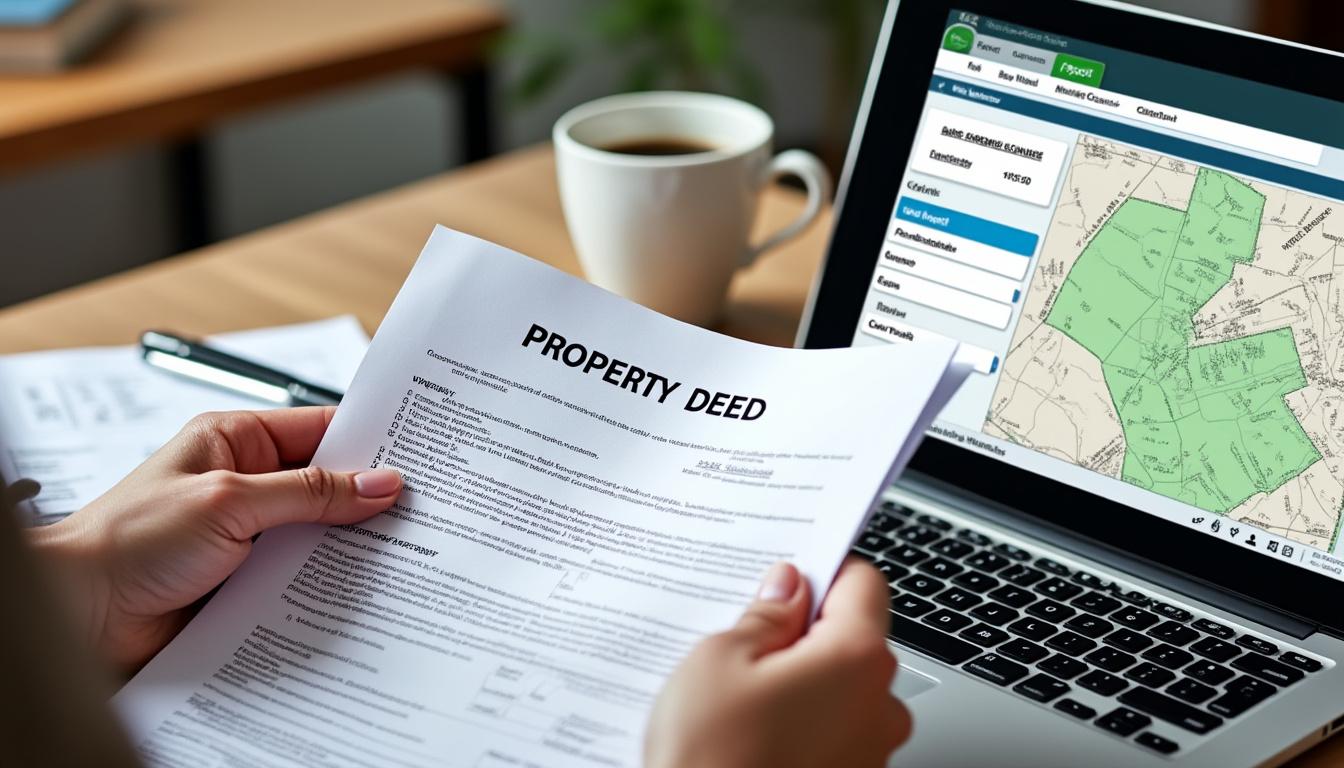
Property ownership verification is one of the most critical aspects of any real estate transaction. In Cameron County, Texas, title searches initiate with the review of deed information maintained by the county clerk’s office. These deeds document the legal transfer of ownership, include detailed descriptions of the property boundaries, and reveal any encumbrances such as liens or mortgages attached to the property.
The title search procedure involves checking not only current ownership but also the chain of ownership to confirm the legitimacy of title transfers over time. This historical trail is particularly important in Cameron County where some properties may have complex titles due to inheritance, previous sales, or disputes. Public records accessed through the Cameron County Clerk Real Property & Land Records portal allow users to download and inspect official documents including warranty deeds, quitclaim deeds, and lien releases.
Additionally, title insurance companies often perform in-depth searches within these public records to protect buyers and lenders from future claims or defects in the title. Homebuyers should consider initiating their own preliminary search to identify any potential risks early on. Understanding the elements to look for, such as recording dates, grantor and grantee names, and property descriptions, can provide useful insight even before engaging professional title services.
Moreover, access to property tax records via the county assessor’s office complements title searches by verifying whether property tax payments are current or if there are outstanding tax liens. Such liens can complicate sales and affect market value. Investors and homeowners alike benefit from this dual verification to ensure the property is free of any unexpected financial burdens.
Key Steps to Conduct a Comprehensive Cameron County Property Tax Search
Property taxes play a pivotal role in real estate investment decisions, impacting ongoing ownership costs and property valuation. In Cameron County, conducting a property tax search involves several important steps, starting with the identification of the exact property using parcel numbers, owner names, or addresses.
The Cameron County Tax Office website provides a powerful search tool that enables users to examine detailed property tax data. This includes current and historical tax bills, payment status, tax rates, exemptions, and any penalties or delinquencies.
Here are essential steps to execute a comprehensive tax search:
- Identify Property Details: Collect exact property address or account number for precise searching.
- Access Official County Tax Records: Utilize platforms like the Cameron County Tax Office Property Owner Search to retrieve tax statements and payment history.
- Examine Payment History: Verify if the taxes are current or if there are outstanding balances that could impact ownership.
- Review Tax Assessment Trends: Analyze assessed property values across prior years to detect valuation trends influencing property costs.
- Check for Exemptions and Credits: Determine if any tax exemptions like homestead or agricultural use apply.
Through these steps, both buyers and sellers can understand the financial obligations tied to a property before sealing any deals. Neglecting this due diligence can lead to unpleasant surprises, including lien enforcement or additional owed fees.
The table below highlights typical property tax components that should be reviewed:
| Tax Component | Description | Impact on Buyer |
|---|---|---|
| Assessed Value | Valuation of the property by the county assessor | Determines the taxable base and influences tax amount |
| Tax Rate | Percent rate applied to assessed value | Directly affects annual tax bill |
| Exemptions | Reductions based on owner qualifications (e.g., homestead) | Can lower annual tax liability |
| Delinquent Taxes | Unpaid taxes from previous years | May cause liens and legal complications |
Utilizing GIS and Advanced Search Tools for In-depth Cameron County Real Estate Analysis
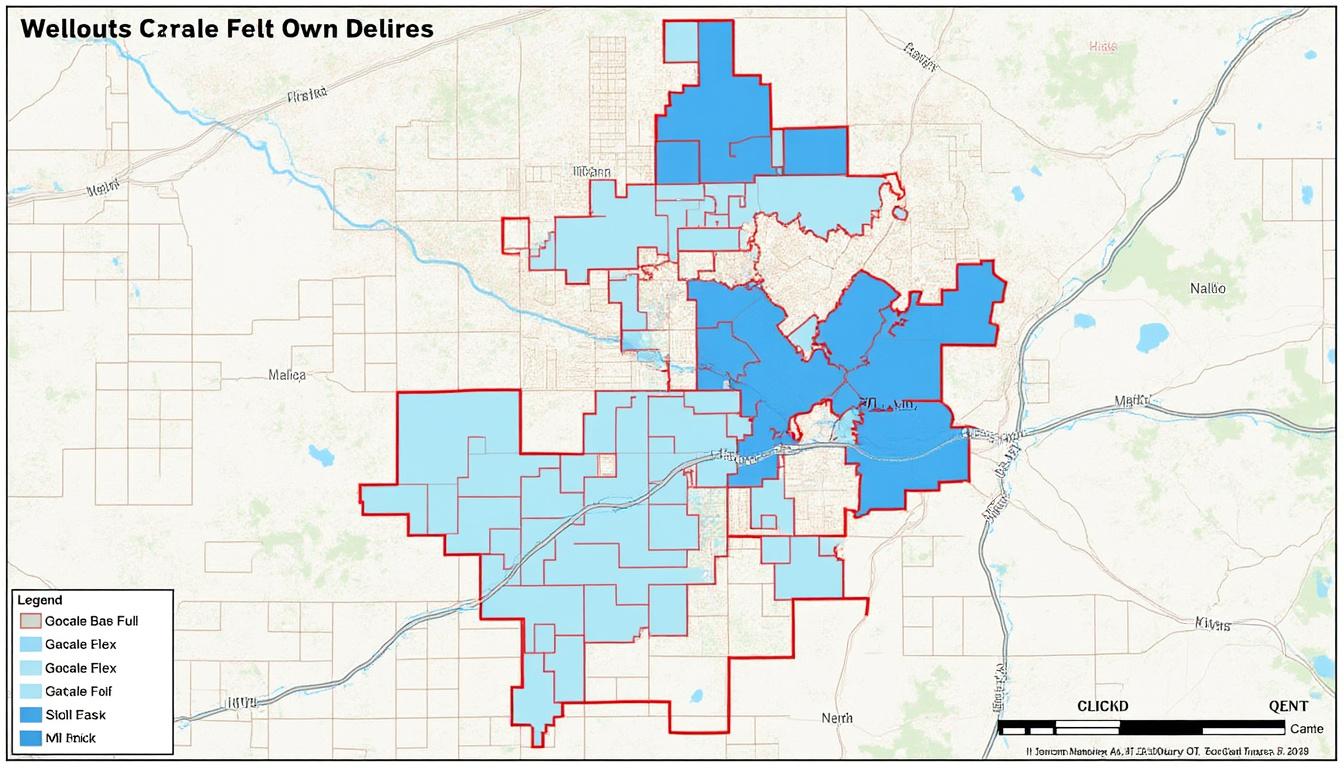
In addition to official county portals, Geographic Information Systems (GIS) and third-party property search platforms have revolutionized how one conducts detailed real estate research. Cameron County benefits from a variety of digital mapping tools which overlay property boundaries, zoning classifications, flood zones, and infrastructure data.
Interactive GIS maps, accessible via platforms such as TaxNetUSA or the county appraisal district’s dedicated site, allow users to visualize the physical characteristics and tax districts of parcels, aiding in investment analysis and site planning. For example, an investor interested in redevelopment can inspect floodplain demarcations or proximity to major transportation routes to assess potential risks or advantages.
Beyond maps, contemporary property search databases offer user-friendly interfaces where searches can be filtered by owner name, property address, or account number. These detailed search options allow professionals and the public alike to navigate otherwise dense land records easily, accessing recorded deeds, historical ownership, liens, and permits.
Leveraging these technologies equips users with a strategic advantage in identifying undervalued properties or confirming information quickly during negotiations. At the same time, it exemplifies how Cameron County continues to streamline access to critical real estate information, encouraging transparency and confident decision-making.
Practical Tips and Best Practices for Efficient Cameron County Property Searches
Successfully conducting a comprehensive property search in Cameron County hinges on knowing which resources to consult and how to verify results comprehensively. From my experience reporting on the real estate market in this region, I’ve found that integrating multiple sources of data maximizes reliability and uncovers all relevant information.
Here are key recommendations to optimize your property search:
- Cross-reference information: Always confirm data by consulting both the county assessor’s records and the county clerk’s land documents.
- Use precise search terms: Enter full owner names as recorded in deeds; partial names can generate incomplete results.
- Check updated records: Property data changes frequently; ensure you are accessing the most current version online.
- Be patient and systematic: Complex properties may require extended examination of chains of title and liens.
- Consult professionals if needed: Real estate agents, title companies, and attorneys have specialized tools and knowledge that can simplify the process.
Additionally, the availability of online platforms like the Cameron Appraisal District property search portal has drastically improved public accessibility, allowing quick retrieval of assessment and ownership data from any location. Always bookmark official websites as a start point to avoid misinformation.
Performing regular property searches can also benefit seasoned investors by keeping tabs on market trends or identifying new acquisitions. With diligent research and the right tools, Cameron County property searches can be executed efficiently and with confidence, unlocking valuable insights for all stakeholders.