
In the ever-evolving landscape of urban living, owning a brownstone property remains a coveted aspiration for many in the United States, particularly in iconic cities like New York and Boston. These historic homes, often nestled in lively neighborhoods such as Brooklyn’s Park Slope, offer a unique architectural charm coupled with deep cultural heritage. However, purchasing a brownstone in 2026 involves navigating a complex interplay of market trends, maintenance demands, financing considerations, and legal challenges. With real estate prices continuing to fluctuate amidst economic uncertainties and evolving policy frameworks, prospective buyers must arm themselves with in-depth knowledge before diving into the brownstone property market.
Brownstone properties embody more than just bricks and mortar; they represent a lifestyle steeped in tradition and urban sophistication. Yet, their allure comes with specific challenges that differ markedly from modern apartments or condominiums. From meticulous upkeep requirements to significant transaction costs and property tax implications, buyers face a landscape where historic charm meets contemporary complexity. The 2026 real estate market reflects these nuances as demand remains robust but is tempered by higher prices and tighter inventory. For investors and homeowners alike, understanding these dynamics is critical for making informed decisions in what continues to be a competitive property market.
Emerging from recent global disruptions, open house practices have also shifted, altering how buyers interact with potential brownstone purchases. More personalized, appointment-based tours now require buyers to demonstrate financial readiness early in the process. Meanwhile, rent-to-own programs have surfaced as innovative financing tools, especially appealing to those looking to build credit over time or navigate current affordability hurdles. In this detailed guide, we delve into what buyers should be equipped with, from property inspections and maintenance obligations to navigating local property taxes and historic preservation laws.
Whether you’re a first-time buyer, an investor in urban real estate, or a family seeking a distinctive residence, this comprehensive overview draws on the latest market data, practical buying strategies, and expert insights aimed at anyone interested in brownstone properties. As you explore the realm of these timeless homes, understanding the underlying factors of the real estate 2026 market trends will empower you to make choices that match both your lifestyle and financial goals.
Brief key points to keep in mind:
- Brownstone properties are highly valued for their historic and architectural uniqueness but require thorough due diligence before purchase.
- The real estate 2026 market shows elevated prices and limited yet slightly increasing inventory in key urban neighborhoods.
- Property buying tips emphasize the importance of specialized brokers, legal counsel, and experienced inspectors familiar with brownstone-specific conditions.
- Historic homes come with maintenance demands and legal restrictions, particularly in designated historic districts that affect renovation freedom.
- Investment properties need careful assessment of rental potential and regulatory constraints, especially within co-op and condominium frameworks.
Understanding Brownstone Properties: Architectural Heritage and Urban Appeal
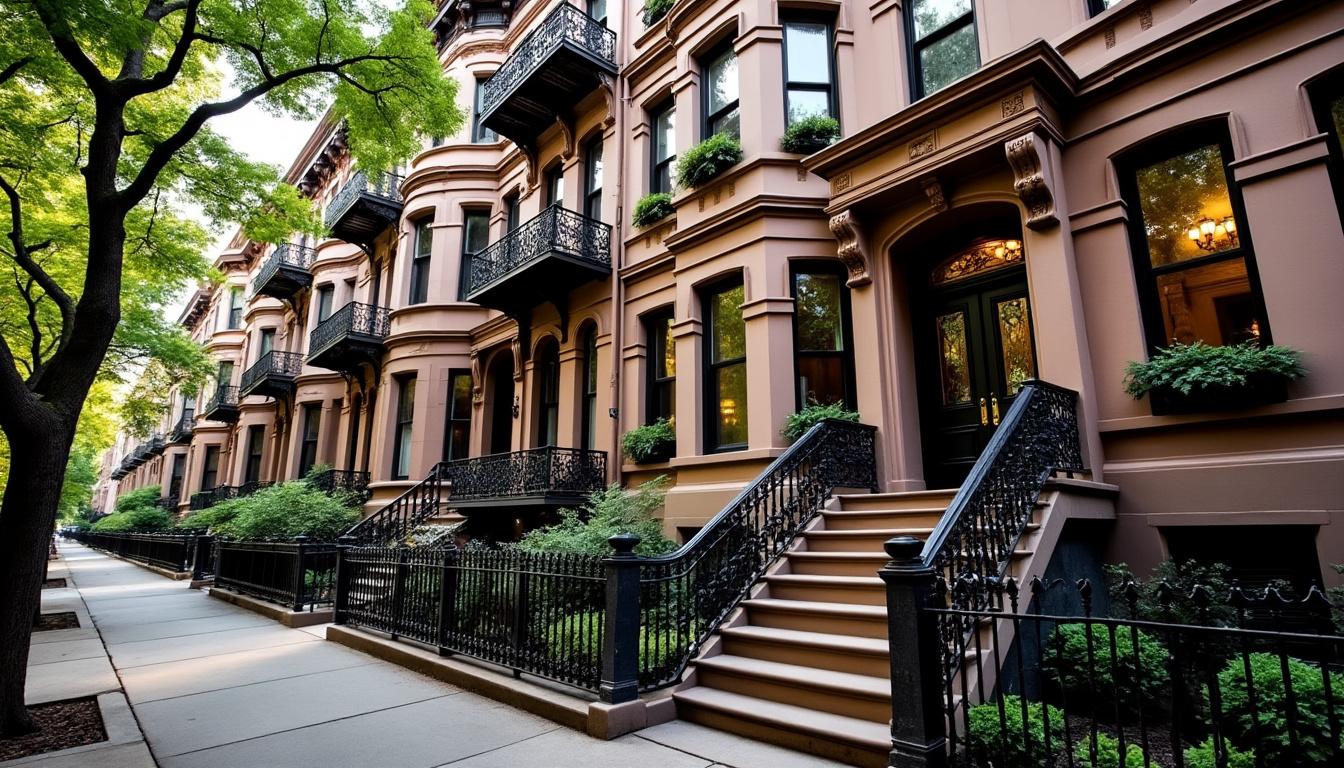
Brownstone homes stand as timeless symbols of urban character, combining elegant design with a storied past. They trace their origins to the 19th century, when ironwork embellishments, signature stone facades, and grand staircases helped define the streetscapes of New York’s brownstone neighborhoods like Brooklyn’s Park Slope or Harlem. The enduring appeal of these homes lies in their blend of distinctive aesthetic features and a sense of community embedded within vibrant city settings.
The architectural style is not merely superficial; it reflects construction methods and materials unique to these homes—such as the brown Triassic sandstone that gives the properties their name. This natural stone, while visually stunning, also demands specific maintenance compared to brick or stucco. The upkeep of the facade to prevent weathering and decay is a crucial factor often overlooked by unaided buyers.
Moreover, brownstones typically house multi-level layouts with features like high ceilings, detailed moldings, and original hardwood floors. While these elements enhance their charm, they may also present challenges in terms of energy efficiency, accessibility, and interior renovations. Buyers must consider whether the layout suits their lifestyle needs or investment objectives, particularly when comparing a brownstone to modern townhouse options.
In 2026, brownstone properties continue to command a premium in neighborhoods experiencing gentrification and revitalization. For example, recent reports on the Park Slope and Brownstone Brooklyn real estate market highlight that while prices have surged year-over-year, inventory remains constrained especially at desirable price points. This scarcity has intensified competition and underscored the importance of working with brokers who specialize in historic homes, ensuring buyers access critical market intelligence and negotiation advantages.
Yet, owning a brownstone goes beyond investment considerations. These homes are often located in historic districts subjected to preservation rules that influence the scope and style of renovations allowed. It’s essential for buyers planning extensive refurbishments to familiarize themselves with local zoning laws and historic commission approvals to avoid costly delays or legal complications.
Key architectural features of brownstone properties include:
- Distinctive brown sandstone facade requiring specialized maintenance
- Multi-story layouts with grand staircases and high ceilings
- Original interior details such as crown moldings, hardwood floors, and ironwork
- Located in historic urban neighborhoods with preservation restrictions
- Potential for outdoor space like stoops and small backyards
Essential Property Buying Tips for Brownstones in 2026
Purchasing a brownstone demands a buying process that differs significantly from standard apartment or condominium transactions. First, prospective buyers should engage brokers and legal professionals who specialize in these unique properties. Their expertise becomes invaluable in navigating the intricate pre-sale process, which often includes deeper due diligence combined with assessment of renovation costs and historic compliance.
One important step is to check the Certificate of Occupancy, confirming whether the brownstone is designated for single-family use or multi-family occupancy. Homes certified for single-family use tend to be easier and less costly to maintain, but if the buyer intends to rent part of the property, understanding these classifications and restrictions is critical.
Another vital component is the home inspection. Brownstones, often over a century old, can harbor hidden issues such as outdated plumbing, electrical systems, and foundational concerns. Engaging inspectors who specialize in historic homes can uncover potential problems related to brownstone maintenance like stone deterioration, moisture infiltration, or outdated heating systems that impact long-term repair costs.
Buyers should also anticipate significant costs beyond the purchase price. These include property taxes, which in New York City have seen adjustments in recent years, and the notorious mansion tax for higher-value properties, as detailed in current analyses on the NYC mansion tax in 2026. Calculating these expenses early can prevent budget overruns and ensure sustainable financial planning.
When attending viewings or open houses, understanding the shift away from traditional Sunday openings to appointment-based tours is crucial. Buyers may face requirements to provide mortgage pre-approval letters and financial disclosures upfront, underscoring the importance of being well-prepared.
During property visits, it is advisable to assess the home from a practical standpoint—imagine daily living scenarios and gauge whether the space or condition aligns with long-term needs. Skepticism toward agents’ claims about renovations or competing offers should be paired with requests for documentation and inspections to verify facts.
Property buying tips for brownstones include:
- Engage brokers and inspectors specializing in brownstone properties.
- Verify Certificate of Occupancy and zoning regulations for intended use.
- Prepare for detailed home inspections focusing on maintenance needs.
- Anticipate additional costs including property taxes and potential mansion tax.
- Navigate appointment-based showings with financial proofs ready.
- Measure and verify square footage independently rather than relying on agent claims.
- Consider long-term growth needs when assessing space and layout.
Historic Home Maintenance: Challenges and Best Practices for Brownstone Owners
Owning a brownstone brings an ongoing responsibility for maintenance that is distinctly more demanding than typical modern properties. The natural stone materials and original architectural elements require attentive care to preserve both aesthetic appeal and structural integrity.
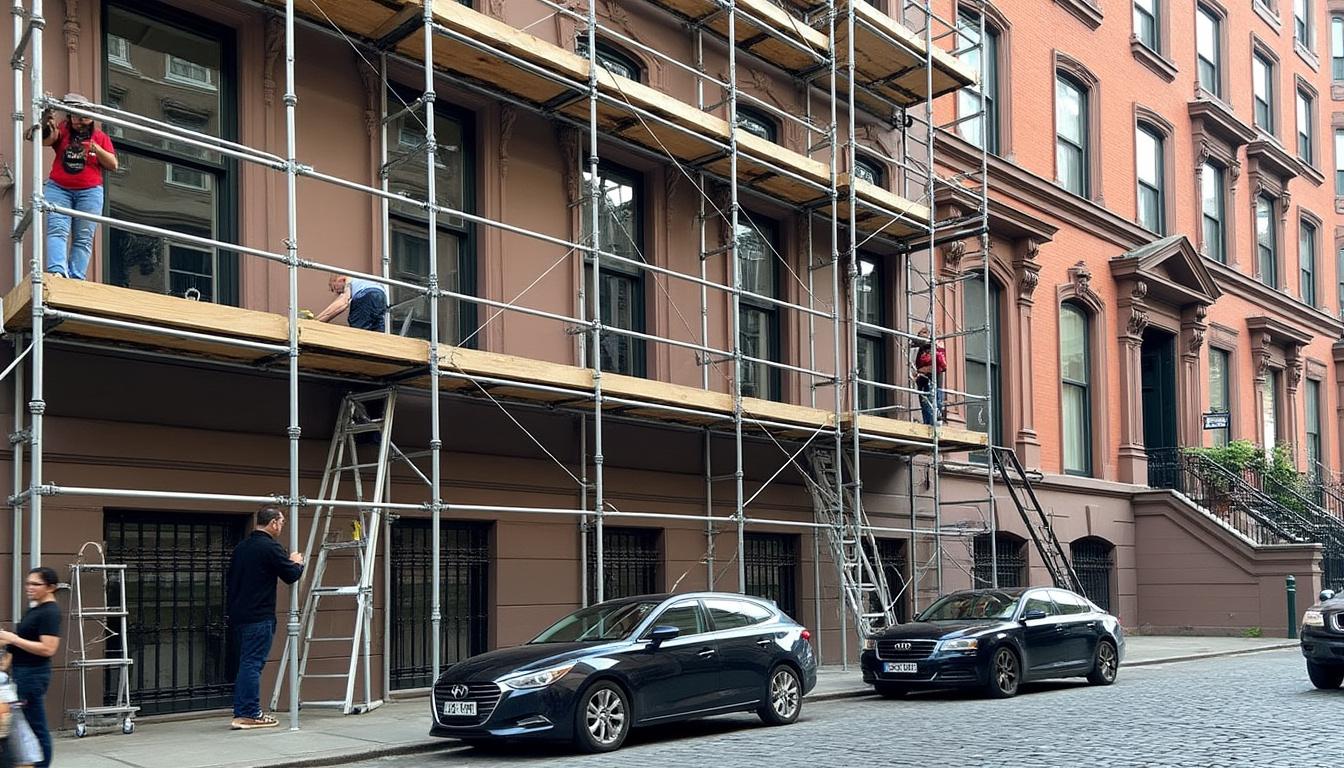
Brownstone maintenance often revolves around managing stone erosion and water damage. The unique sandstone facade is vulnerable to weathering caused by rain, snow, and temperature fluctuations. Property owners should budget for regular tuckpointing—the process of replacing deteriorated mortar between stones—and ensure adequate sealing to reduce moisture infiltration.
Another significant concern lies in the upkeep of wooden interiors and detailed moldings, which may require periodic refinishing or careful restoration to maintain authenticity. Similarly, ironwork such as railings and grilles demands inspection to prevent rust and ensure safety.
Modernizing systems like plumbing, heating, and electrical wiring can be complex in a brownstone due to their age and layout. Owners must balance the desire for contemporary amenities with the preservation of historic character, complying with local preservation district regulations.
Engaging construction firms or contractors experienced with historic homes is strongly recommended to navigate challenges, manage permits, and respect guidelines. Homeowners should also anticipate seasonal tasks such as winterizing exterior elements to protect against freeze damage and attention to roof condition to prevent leaks.
Maintenance categories for brownstone properties include:
| Maintenance Aspect | Common Issues | Recommended Actions |
|---|---|---|
| Stone Facade | Weathering, mortar erosion, moisture penetration | Regular tuckpointing and sealing, professional inspections |
| Woodwork & Interiors | Wear, fading, water damage | Refinishing, restoration, climate control |
| Ironwork | Rust, structural weakening | Rust removal, protective coatings, repairs |
| Systems & Utilities | Outdated wiring, old pipes, inefficient heating | Upgrades compliant with historic codes, inspections |
| Roof & Drainage | Leaks, clogging, freeze damage | Regular inspections, gutter cleaning, timely repairs |
For owners unfamiliar with the nuances of brownstone upkeep, consulting resources such as the comprehensive guides on brownstone and townhouse maintenance can provide invaluable advice on best practices and vendor recommendations.
Investment Properties: Opportunities and Risks in the Urban Brownstone Market
Brownstone properties offer a distinctive investment opportunity within the urban real estate market, blending historic appeal with potential for both rental income and capital appreciation. However, investors must carefully weigh the benefits against liquidity challenges and regulatory compliance.
Given their substantial acquisition and upkeep costs, brownstones often represent ‘trophy’ properties that appeal to niche markets. These homes tend to hold value due to their scarcity and desirability, especially in well-established neighborhoods with access to amenities and transport.
Real estate analysts frequently highlight that while the demand for brownstones has remained steady amid the property market trends of 2026, buyers face heightened competition and must prepare for longer sales cycles. As noted in a detailed market guide for Brooklyn brownstones, effective strategies include targeting properties that are ready for occupancy or have high renovation potential, balancing immediate rental returns with future value growth.
Investors interested in rental properties should be aware that co-op brownstones typically have strict restrictions on subletting, making condominiums a more flexible choice for generating income. A thorough understanding of relevant rental laws, such as those updated in New York City starting in 2019, is essential to avoid legal pitfalls.
In some markets, rent-to-own programs have reemerged as a creative financing option. These setups enable tenants to apply a portion of their rent toward eventual ownership, appealing to those building credit or delaying homeownership for financial reasons. However, these deals often come with higher-than-market rents and complex contract terms requiring legal review.
Key considerations for investors in brownstone properties:
- Assess neighborhood stability and growth projections
- Understand co-op vs. condo rules on rentals and occupancy
- Budget for ongoing maintenance and potential renovation costs
- Factor in property taxes, including recent changes and special assessments
- Be prepared for possibly extended time on market due to property’s niche appeal
- Consider rent-to-own opportunities cautiously with professional legal advice
Legal and Financial Implications: Navigating Property Taxes, Zoning, and Historic Regulations
The purchase of brownstone properties in 2026 requires careful attention to various legal and financial aspects that influence ownership costs and feasibility. One primary consideration involves property taxes which, while subject to local assessments, can represent a significant annual expense. Recent adjustments in tax rates mean buyers should consult tax professionals to accurately project ownership costs.
Another critical factor is zoning laws and Certificate of Occupancy, which govern the allowed use of the property, such as single-family or multi-family residence status. Misinterpretations here can lead to costly penalties or forced renovations. Buyers should ensure their intentions for occupancy or rental align with current designations and obtain title searches to confirm the absence of title defects.
Historic district regulations add another layer of complexity, as many brownstones fall within designated preservation areas. These rules restrict alterations to external facades and sometimes internal structures, requiring approval from historic commissions prior to renovations. Ignoring these guidelines can result in fines and delays. Prospective owners must also acquaint themselves with mandatory facade maintenance obligations, including snow removal and compliance with facade inspection reports, which have become more rigorous under recent municipal codes.
Financing brownstones may involve different mortgage products and stricter qualification criteria, given the unique risks and costs associated. Lenders often require detailed appraisals and inspections before approval. Furthermore, the famed mansion tax on properties exceeding designated price thresholds impacts overall closing costs significantly, as outlined in specialized resources on buying townhouse and brownstone properties.
Summary of legal and financial considerations:
| Aspect | Details | Impact on Buyer |
|---|---|---|
| Property Taxes | Annual assessments with recent rate changes, mansion tax for high-valued properties | Significant ongoing cost; affects affordability and budget planning |
| Zoning & Occupancy | Certificate of Occupancy defines use (single or multi-family) | Misuse can cause legal issues or costly reclassification |
| Historic District Regulations | Restrictions on facade and structural alterations | Limits renovation freedom; requires commission approvals |
| Financing | Specialized mortgage products; thorough inspections required | May complicate loan approval and affect closing timelines |
| Maintenance Obligations | Mandatory facade inspections, snow removal, facade repairs | Additional ongoing expenses and compliance responsibilities |
Understanding these legal and financial frameworks is indispensable for any serious buyer considering brownstone properties in today’s market. Collaborating with experienced real estate attorneys and financial advisors helps navigate these issues efficiently and safeguards the investment’s long-term value.