Macadamia nuts, renowned for their subtle, buttery flavor and creamy texture, have rapidly gained popularity not just as a delicious snack but also as a powerhouse of nutrition. Native to Australia, these nuts are now cultivated across the globe—from Hawaii’s volcanic soils to the lush plantations of Costa Rica and Brazil. Their unique blend of healthy fats, vitamins, minerals, antioxidants, and dietary fiber contributes significantly to various aspects of human health, making them an essential addition to many diets today.
The increasing global interest in these nuts stems from scientific studies linking them to benefits such as improved heart health, weight management, better blood sugar control, and enhanced gut health. In a world where diet-related health issues such as obesity, diabetes, and cardiovascular diseases continue to rise, understanding the nutritional properties and health benefits of macadamia nuts is crucial.
Despite their relatively high calorie content, macadamia nuts offer more than just energy; they contain an array of nutrients that contribute to long-term wellness. Their rich content of monounsaturated healthy fats challenges the old stereotype that all fats are bad, placing these nuts among heart-healthy food choices. Additionally, the presence of antioxidants such as flavonoids and tocotrienols make macadamia nuts not only a beneficial snack but also a potential defender against cellular damage and inflammation.
For those navigating the complex world of modern nutrition, macadamia nuts represent a fascinating study in how natural foods can pack dense nutrition while promoting overall health. Their versatility in culinary use adds to their appeal, allowing incorporation into meals and snacks in innovative ways. This article explores the extensive nutritional profile of macadamia nuts along with detailed insights into their scientifically-backed health benefits.
In brief:
- Macadamia nuts are rich in monounsaturated healthy fats, vitamins, minerals, antioxidants, and dietary fiber.
- They contribute to improved heart health by lowering bad cholesterol and reducing inflammation.
- Their low carbohydrate and sugar content make them suitable for those managing blood sugar levels, including people with diabetes.
- Macadamia nuts may aid in weight management by promoting satiety and providing fewer absorbable calories than previously estimated.
- Dietary fiber in these nuts supports gut health by feeding beneficial bacteria and reducing inflammation.
- Emerging evidence suggests potential cancer protection, brain health support, and longevity benefits.
Comprehensive Nutritional Properties of Macadamia Nuts
Macadamia nuts stand out among nuts for their impressive nutritional composition. A single ounce (approximately 28 grams) of these nuts provides about 204 calories, with a significant portion derived from fats—mostly monounsaturated healthy fats. Alongside this, they contain small amounts of protein (2 grams), low carbohydrates (4 grams), and dietary fiber (3 grams), making them relatively low in digestible carbs and beneficial for metabolic health.
This rich nutritional profile is fortified by robust levels of essential vitamins and minerals. Notably, macadamia nuts provide 58% of the Daily Value (DV) for manganese, a trace element crucial for bone health, metabolism, and antioxidant defenses. They also supply notable amounts of thiamine (22% DV), copper (11% DV), magnesium (9% DV), iron (6% DV), and vitamin B6 (5% DV).
One of the defining features of macadamia nuts is their high content of monounsaturated fatty acids (MUFA), predominantly oleic acid and palmitoleic acid. MUFAs have been consistently associated with better cardiovascular outcomes, partly by reducing levels of LDL cholesterol and increasing HDL cholesterol, thus improving the overall cholesterol ratio.
Importantly, the low sugar and carbohydrate content of macadamia nuts positions them as a smart choice for blood sugar control. Their combination of healthy fats and fiber slows digestion and glucose absorption, preventing sharp spikes in blood sugar. This quality is particularly advantageous for individuals seeking to manage diabetes or metabolic syndrome.
| Nutrient | Amount per 1 oz (28g) | % Daily Value (DV) |
|---|---|---|
| Calories | 204 kcal | — |
| Total Fat | 23 g | 36% |
| Monounsaturated Fat | 17 g | — |
| Protein | 2 g | 4% |
| Carbohydrates | 4 g | 1% |
| Dietary Fiber | 3 g | 12% |
| Manganese | 1.5 mg | 58% |
| Thiamine (Vitamin B1) | 0.4 mg | 22% |
| Copper | 0.2 mg | 11% |
For those wishing to dive deeper into macadamia nut nutrition, reputable sources such as WebMD and Healthline provide extensive, science-backed details on their nutritional properties and how these relate to health.
Role of Antioxidants and Plant Compounds
Beyond standard vitamins and minerals, macadamia nuts are a rich source of antioxidants—molecules that play a profound role in protecting the body from oxidative stress and cellular damage.
They contain high levels of flavonoids, plant compounds with potent anti-inflammatory and cholesterol-lowering effects. These antioxidants help neutralize harmful free radicals, thereby reducing the risk of chronic diseases like heart disease, Alzheimer’s, and diabetes. Additionally, tocotrienols, a form of vitamin E found particularly in macadamia nuts, offer powerful antioxidative properties believed to enhance brain and heart health while potentially lowering cancer risk.
Research published in recent years showcases how these antioxidants significantly lower inflammation markers, a key driver behind many chronic conditions. Including macadamia nuts in your diet provides a natural and tasty source of these crucial compounds.
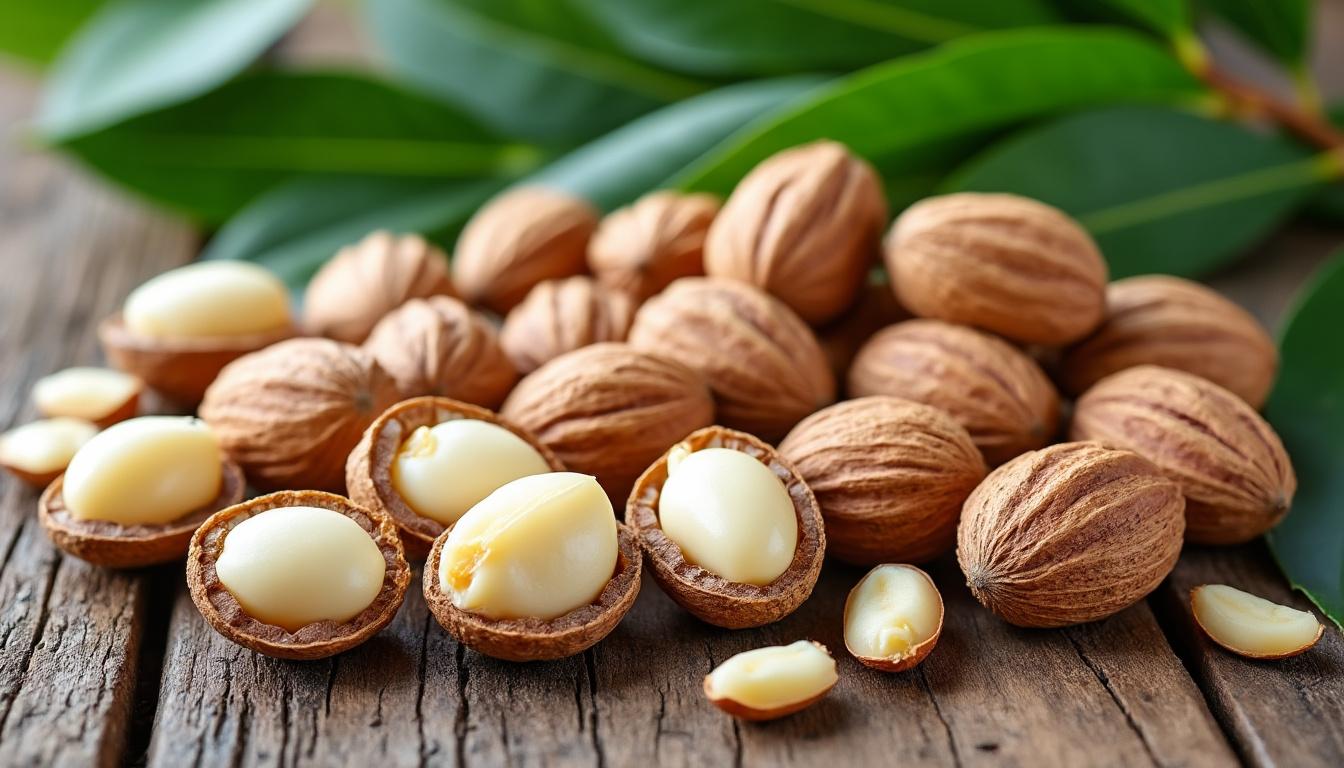
Macadamia Nuts and Heart Health: A Natural Ally
Heart health remains a pressing concern worldwide, with cardiovascular diseases leading the causes of mortality. Macadamia nuts offer a natural dietary solution that may help reduce key risk factors for heart disease.
Scientific investigations show that consuming moderate amounts of macadamia nuts daily—ranging from 0.3 to 1.5 ounces—can reduce total and LDL cholesterol levels by as much as 10%. This significant reduction closely matches decreases observed with heart-healthy diets recommended by organizations like the American Heart Association.
Another crucial factor is inflammation, which contributes to artery damage and plaque formation. Macadamia nuts have been shown to lower inflammation markers such as leukotriene B4. This anti-inflammatory effect is largely attributed to the monounsaturated healthy fats and antioxidants they contain.
Moreover, macadamia nuts include palmitoleic acid, a rare omega-7 fatty acid, which studies suggest may safeguard against stroke and fatal heart attacks. Diets rich in this fatty acid support better blood vessel function and reduce adverse lipid profiles.
The combined presence of these nutrients positions macadamia nuts as a functional food ingredient capable of supporting cardiovascular health naturally.
Evidence from Human Studies
In a seminal controlled trial, participants with elevated cholesterol who incorporated macadamia nuts into their daily diets saw similar cholesterol reductions as those following a low-fat diet tailored for heart health. This suggests that replacing saturated fats with monounsaturated fats from macadamia nuts could be a practical dietary strategy for reducing cardiovascular risk.
Regular intake of these nuts is also associated with improved endothelial function, a critical determinant of vascular health, which further supports their role in heart disease prevention.
Weight Management and Metabolic Benefits Linked to Macadamia Nuts
Though rich in calories, macadamia nuts do not necessarily lead to weight gain. On the contrary, they may support weight management and metabolic health.
Their combination of dietary fiber, protein, and healthy fats promotes satiety, reducing overall calorie intake during meals and snacks. Fiber, in particular, slows digestion and contributes to feelings of fullness, which helps control appetite effectively.
Interestingly, some research has indicated that a portion of the fat in macadamia nuts may pass through the digestive tract without being fully absorbed due to its entrapment within the nut’s fibrous matrix. This phenomenon implies that the actual caloric contribution from these nuts might be lower than previously estimated.
A study involving young women demonstrated modest weight loss after consuming bread supplemented with macadamia nuts daily for three weeks, whereas groups consuming butter or coconut with bread did not experience such changes.
Furthermore, the omega-7 palmitoleic acid found in macadamia nuts is linked with reducing fat cell size in animal models, indicating potential effects on body fat composition.
- Macadamia nuts promote satiety due to their macronutrient composition.
- Fats trapped within the fibrous walls may reduce calorie absorption.
- Omega-7 fatty acids may help regulate fat storage and promote healthier metabolism.
Though promising, more research is needed to confirm these metabolic effects in humans, but macadamia nuts present a tasty and nutritious option for inclusion in weight management plans.
Macadamia Nuts and Metabolic Syndrome
Metabolic syndrome, characterized by a mix of factors such as high blood pressure, elevated blood sugar, abnormal cholesterol levels, and obesity, increases the risk of diabetes and heart disease. Diets rich in monounsaturated fats, like those provided by macadamia nuts, demonstrate a favorable impact on many components of this syndrome.
Reviews of clinical trials highlight that regular consumption of tree nuts—including macadamia nuts—improves fasting blood glucose and hemoglobin A1c, a long-term measure of blood sugar control. These outcomes are especially significant for individuals managing type 2 diabetes.
The role of macadamia nuts in enhancing insulin sensitivity and lowering cardiovascular disease risk factors adds to their appeal for metabolic health support.
Dietary Fiber and Gut Health Benefits of Macadamia Nuts
Dietary fiber is a notable component in macadamia nuts and serves critical functions in digestive health and beyond. The soluble fiber in these nuts acts as a prebiotic, feeding beneficial gut bacteria which, in turn, produce short-chain fatty acids (SCFAs) such as butyrate and acetate. These SCFAs reduce inflammation within the gut and strengthen the intestinal barrier function.
Such actions are linked to reduced risks of irritable bowel syndrome (IBS), Crohn’s disease, and ulcerative colitis. Moreover, these fatty acids may offer systemic health benefits, including improved metabolism and reduced obesity risk.
High fiber intake from macadamia nuts helps promote regular bowel movements, prevents constipation, and enhances the overall balance of gut microbiota. This balanced microbiome supports robust immune function, linking macadamia nut consumption to immune system benefits.
Combined with their antioxidant content, macadamia nuts provide a comprehensive support system for digestive and immune health.
How to Incorporate Macadamia Nuts Into Your Diet
Macadamia nuts can be enjoyed in multiple forms, making them an easy and delicious addition to your daily eating habits. Raw macadamia nuts offer the purest nutritional benefits, but dry-roasted versions provide convenience without unnecessary oils.
Some creative uses include sprinkling chopped nuts onto salads, blending them into smoothies, or replacing saturated fat in baked goods with macadamia nut butter, which boasts a rich, smooth taste. Macadamia nut paste can also substitute dairy in vegan cheeses and milk, broadening its culinary applications.
Proper storage is crucial to maintain freshness: airtight containers kept in refrigerators can preserve nuts for up to a year, while room temperature storage is best limited to several months.
Adding macadamia nuts to your meals not only enriches flavors but also boosts your intake of vital nutrients proven to enhance several dimensions of health.