
Conducting a property search in Guilford County in 2026 demands both precision and efficiency to navigate the wealth of available data while uncovering valuable real estate opportunities. Whether you are an investor, homeowner, or professional, understanding the robust resources and digital tools curated by the county can be a game changer. Guilford County has systematically evolved its public records and property listing systems to enhance transparency and accessibility, benefiting all future buyers and sellers within its jurisdiction.
In the ever-changing landscape of American real estate, Guilford County stands out by offering a comprehensive, efficient search experience powered by advanced GIS online services and an up-to-date county database. These technological advancements have effectively reduced the traditional hurdles often encountered during property assessments and ownership inquiries. The integration of geographic information systems into property searches allows users to visualize land ownership patterns with greater ease and precision than ever before.
For those exploring Guilford County real estate in 2026, leveraging these digital platforms is not merely a convenience—it’s a strategic imperative that ensures accuracy, speed, and a nuanced understanding of local market dynamics. The county’s commitment to providing real-time updates of property records guarantees that users always access the latest information, a crucial factor in an environment where property valuations and ownership details can evolve swiftly. Navigating these tools skillfully can turn a routine property search into a productive quest for the right asset.
Key takeaways for Guilford County property search in 2026:
- Leverage the county’s official real property listing platform for accurate and current ownership data.
- Use the GIS Online Services for visualizing spatial property details without requiring specialized software.
- Become familiar with search tips on platforms like myGuilfordCounty to optimize queries by owner name, parcel number, or address.
- Understand the importance of real-time updates on the Guilford County property summary database which reflects daily changes.
- Contact the Tax Department for clarifications or to provide feedback via email at TAXAPPRAISAL@GUILFORDCOUNTYNC.GOV or phone 336-641-4814.
Mastering Guilford County’s Real Property Database for an Efficient Search
One of the most critical elements in conducting a successful Guilford County property search is gaining proficiency in the use of the county’s publicly accessible real property database. This system offers an exhaustive compilation of essential property records, ranging from ownership details to tax assessments and legal descriptions. Unlike a simple property listing, this database serves as a powerful investigative tool that can transform how you approach real estate research.
For a typical user, the property search begins with entering the parcel number, owner’s name, or a formatted address into the search interface available on the county’s official website. It’s important to tailor searches carefully—for example, entering “515 Smith St.” instead of just “515” ensures results are specific and manageable. The system accommodates searches by business names as well, though users are advised to omit suffixes like LLC or Inc. to avoid unnecessary confusion.
After a property record is retrieved, the user gains access to a wealth of information:
- Ownership History: Detailed accounts of past and current owners, enabling investors to track changes over time and evaluate property stability.
- Buildings and Improvements: Insight into structural enhancements and alterations aids in assessing property value beyond the raw land.
- Land Details: Parcel size and legal descriptions provide clarity on exactly what is included in the property boundaries.
- Tax Records and Payment Status: Immediate knowledge of tax liabilities or relief programs protects buyers from unexpected financial burdens.
By using this data wisely, users avoid pitfalls such as purchasing properties with hidden encumbrances or incomplete records. Moreover, professionals who couple these searches with local regulations on zoning and building codes from the county’s property information resources position themselves to make informed offers and negotiate with confidence.
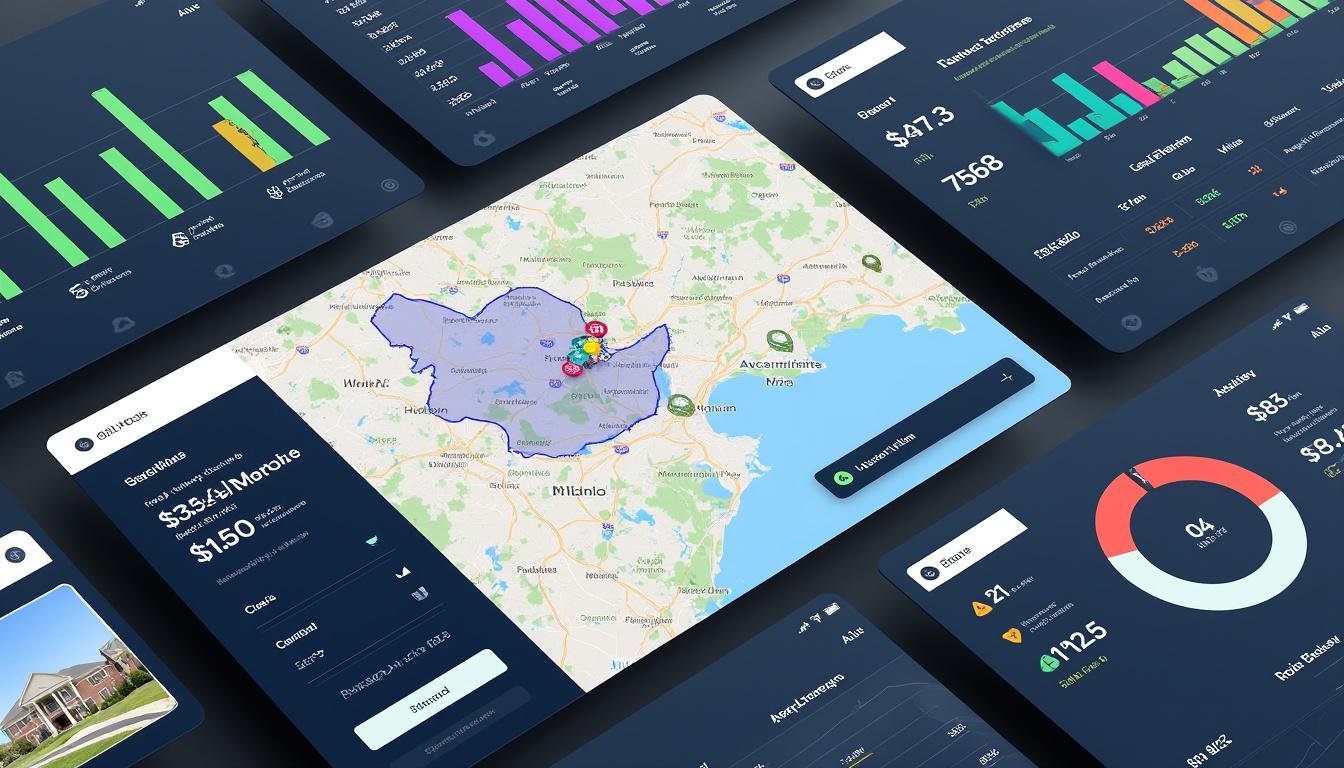
Tips for refining searches on Guilford County platforms
It is crucial to adhere to best practices while querying to maximize precision:
- Use the exact spelling of street names and avoid abbreviations such as Drive, Court, or Place, which can skew results.
- Search by primary owner names as listed on tax bills rather than nickname variations or aliases.
- For address searches, input both street number and name formatted properly, e.g., ‘123 Main St.’
- Consult the county’s detailed search tips guide to troubleshoot common issues.
Leveraging GIS Online Services to Visualize Land Ownership and Property Boundaries
The implementation of Geographic Information Systems (GIS) Online Services in Guilford County has fundamentally transformed how property data is accessed and analyzed. Rather than relying solely on static text-based records, users can now interact with dynamic maps that bring property records to life. These tools open new pathways toward strategic real estate decisions by illustrating spatial relationships between parcels, nearby amenities, zoning districts, and environmental factors.
Accessible via web browsers without the need for expensive or complex software installations, Guilford County’s GIS services offer:
- Overlay capabilities: Combine multiple data layers including roads, property boundaries, flood zones, and land use classifications.
- Real-time updates: Maps refresh automatically to reflect the latest changes in property ownership and legislative adjustments.
- Query and filtering tools: Locate parcels using various criteria such as owner names, addresses, or parcel identification numbers.
- Measurement features: Accurately assess parcel dimensions and neighboring distances for planning purposes.
These features are invaluable for developers evaluating land potential or homeowners seeking clarity on property limits. GIS technology also ensures equitable property assessments by providing county appraisers with detailed spatial insights.
A practical example: Suppose a prospective buyer is interested in a group of parcels near downtown Greensboro. Using GIS online services, the buyer can visualize each parcel’s size, adjacency to transport corridors, and zoning designations, directly influencing decisions related to residential or mixed-use investments.
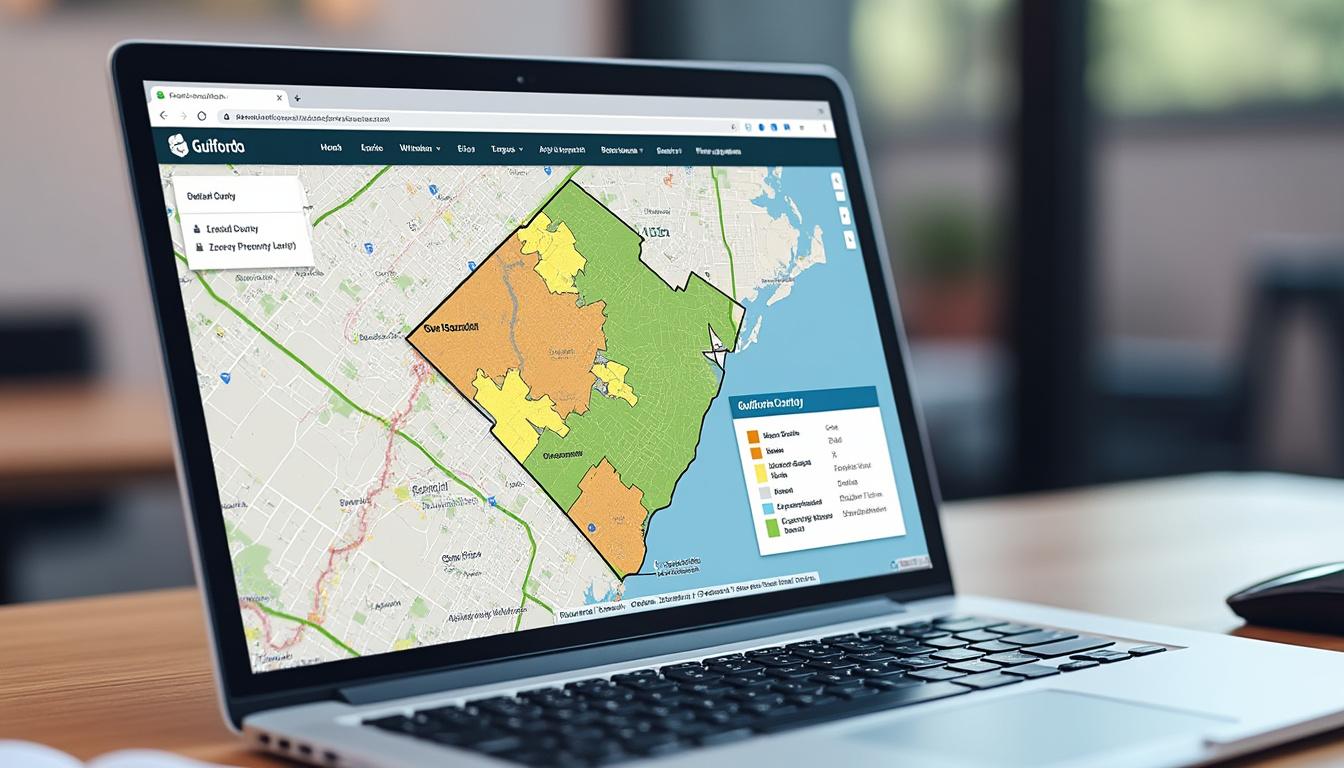
Advanced use cases of Guilford County GIS tools
Real estate professionals and planners use several innovative approaches with GIS platforms:
- Risk assessment: Overlaying flood plains with property listings to avoid high-risk zones.
- Income potential analysis: Examining proximity to schools, stores, and employment centers enhances rental property evaluations.
- Urban planning: Identifying historic districts or future development zones to project property appreciation trends.
Understanding Land Records and Ownership Transfer Procedures in Guilford County
Behind every parcel in Guilford County lies a well-maintained history of land records. The county’s Tax Department meticulously documents ownership transfer data and cadastral maps, ensuring accurate representation of land ownership. These records include not only the legal owner’s name but also key elements like the situs address, mailing information for tax correspondence, and detailed legal descriptions of the property.
This transparency ensures that property buyers and sellers are always aware of the exact nature of the asset involved, preventing costly misunderstandings or legal disputes. In 2026, access to these records has been digitized to accommodate the needs of a growing population and a fast-paced real estate market.
Ownership transfer documentation in Guilford County follows a clear administrative process:
- Recording the deed with the county clerk’s office, including verification of signatures and legal descriptions.
- Updating the Tax Department’s ownership database promptly to reflect the new owner information.
- Adjustment of property tax responsibilities and notification to involved parties.
- Availability of ownership history reports that detail prior transactions and timeframes.
For anyone involved in property transactions, understanding this procedural clarity is essential. It safeguards against title issues and enhances market trust, an important factor in an environment where real-time data accuracy is a competitive advantage.
Resources for monitoring ownership and transfers
The county provides dedicated web pages explaining the steps in detail and offering links to digital archives. Professionals and interested parties are encouraged to utilize the county’s official Mapping and Ownership Transfer service to gain comprehensive insight into transaction histories.
Optimizing Property Tax and Assessment Information for Smart Real Estate Decisions
In Guilford County, the convergence of efficient search tools and real-time tax data grants stakeholders a decisive edge. Accessing property tax and assessment records through centralized portals facilitates timely evaluation of financial obligations connected to a given parcel.
Property taxes directly influence net returns on investment properties and overall affordability for homeowners. In 2026, the system allows users to monitor their tax account status online, check for delinquent payments, and explore relief programs—essential information for buyers looking to mitigate risks.
The following table exemplifies typical data categories found in the property tax section and why each matters profoundly:
| Data Category | Description | Impact on Real Estate Decisions |
|---|---|---|
| Assessed Value | Official valuation of property for tax calculation. | Determines annual tax liability, influencing affordability and investment yield. |
| Tax Rate | Percentage applied to the assessed value. | Varies by jurisdiction, affecting the final tax bill and cash flow considerations. |
| Payment Status | Indicates whether current taxes are paid or overdue. | Unpaid taxes may signal financial distress or risk of foreclosure. |
| Tax Relief Programs | Government initiatives offering partial exemptions or credits. | Available to eligible owners, reducing financial burden and increasing purchase appeal. |
Investors and homeowners are advised to consult Guilford County’s official My Property portal frequently to access the latest tax notices, pay property taxes directly online, and evaluate eligibility for relief programs. This transparent approach reduces surprises and supports well-informed negotiations in the real estate market.
Adapting to Changes and Maintaining Accuracy in Daily Updating Property Records
One of the defining characteristics of Guilford County’s real estate information ecosystem in 2026 is the commitment to real-time data accuracy. Property records are inherently dynamic, reflecting ongoing sales, ownership changes, improvements, and tax payments. Because the data is subject to daily modification, users must approach property searches with the understanding that what they access today might evolve tomorrow.
This fluidity requires reliance on official county sources rather than third-party aggregators, which may lag behind or present incomplete information. The Guilford County system explicitly disclaims warranties about absolute accuracy but affirms its commitment to continual updates, effectively empowering users to make decisions based on the most current and comprehensive data available.
To stay ahead, professionals often combine direct queries via the official Parcel Verify search portal with automated notifications or periodic manual checks. These habits ensure vigilance against unforeseen changes in ownership or tax status, which could impact investment risk and property valuation.