
Distressed properties in Leesburg, VA, represent a unique segment of the real estate market that combines opportunity with complexity. In a city renowned for its historic charm and proximity to major urban centers, these properties often come with financial or physical challenges, yet they attract a subset of buyers, particularly investors, looking for below-market value deals. Understanding the nuances behind distressed properties—from foreclosure to neglected homes—is essential for anyone interested in making informed real estate decisions in this fast-moving market. Buyers in Leesburg must navigate intricate legal issues, carefully assess property condition, and balance investment risks with potential rewards.
In 2026, distressed properties are shaped by evolving economic factors such as rising interest rates, increasing property taxes, and shifting lending standards. These pressures have contributed to a rise in foreclosure cases and short sales across many U.S. markets, including Leesburg. While such properties may initially seem daunting with their visible wear or complicated ownership histories, they unlock possibilities for buyers prepared to evaluate market value critically and execute smart purchasing strategies.
Despite their reputation, not all distressed properties in Leesburg are distressed in the same way. Differentiating between bank-owned homes, short sales, tax delinquent properties, and abandoned residences can reveal tailored approaches for buyers to capitalize on these opportunities. With this buyer’s guide, we delve deep into the detailed realities of distressed real estate in Leesburg VA, offering expert insights on avoiding common pitfalls and identifying the properties worth pursuing in this competitive landscape.
Key points about distressed properties in Leesburg, VA:
- They often sell below market value due to financial hardship or neglect.
- Each type—foreclosure, short sale, tax liens—carries specific legal and financial considerations.
- Property condition greatly impacts repair costs and the overall investment strategy.
- Understanding seller motivation helps negotiate better deals and expedite closings.
- Accessing quality listings, including off-market properties, can significantly improve buyer outcomes.
What Defines Distressed Properties in Leesburg VA and Their Unique Market Characteristics
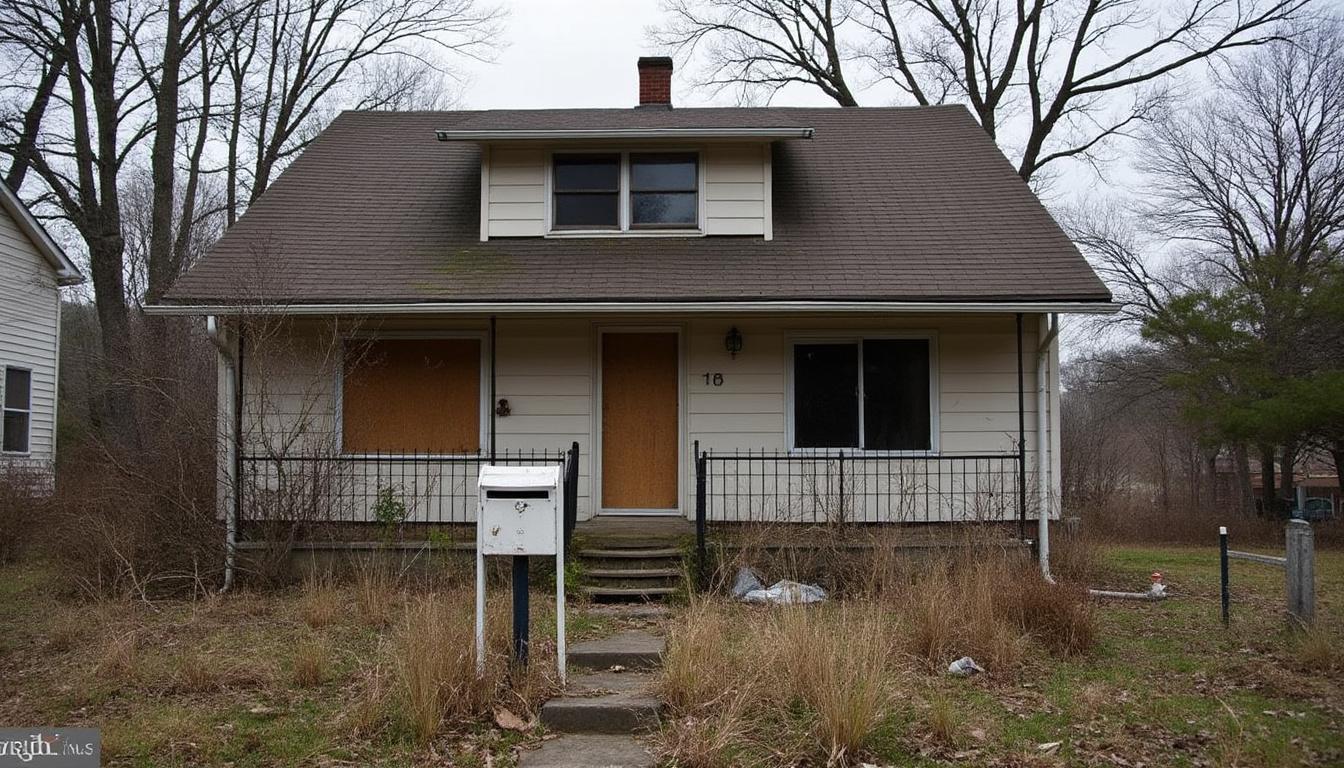
In Leesburg VA, distressed properties are distinguished by the seller’s inability to maintain or finance upkeep, resulting in homes that are often priced below the current market level to facilitate a quick sale. These properties typically stand out because of noticeable physical neglect—overgrown yards, boarded windows—or legal complications like foreclosures or unresolved liens. Such homes are abundant in transitional neighborhoods or among properties burdened by financial strain.
Understanding the types of distressed properties commonly found in Leesburg is fundamental. Foreclosures occur when a lender repossesses a home due to mortgage default and often lead to bank-owned (REO) listings. Short sales arise when owners owe more than the property’s value and negotiate with lenders to accept less. Tax delinquent properties appear as a result of unpaid property taxes, sometimes leading to auctions or liens on the title. Lastly, abandoned or significantly neglected homes may result from probate delays or absentee ownership.
Each category presents a different set of challenges. For instance, bank-owned properties usually come with cleaner titles, but their pricing is often less negotiable. Conversely, short sales might allow more room for price discussions but can drag on due to lender approval processes. Tax liens can complicate ownership transfers, necessitating thorough legal due diligence. All these nuances make Leesburg’s distressed real estate a patchwork requiring specialized knowledge to navigate successfully.
Buyers eyeing these properties must comprehend the market context of 2026, where rising property taxes and insurance premiums strain homeowners, leading more sellers to the distressed market. Leesburg’s growing population and relative affordability compared to Washington D.C. also cause occasional bidding wars on select distressed properties, prompting investors to act fast and with accurate valuation data. The right approach involves identifying the seller’s motivation and balancing renovation costs with potential resale or rental income.
Detailed Buyer’s Guide to Evaluating Distressed Properties in Leesburg VA
When considering a distressed property in Leesburg, the evaluation extends far beyond the initial asking price. The property’s physical condition is a measurement of the hidden costs that could quickly eat into your projected profits or inflate your living expenses. A thorough home inspection is an absolute must, covering structural integrity, roofing, plumbing, electrical systems, and signs of water damage or mold, all of which can significantly affect repair timelines and budgets.
Understanding the seller’s motivation is equally critical. Sellers facing imminent foreclosure or tax lien sales may prefer a quick sale over top dollar, presenting negotiation leverage. Conversely, inherited homes or absentee-owned properties might lead to less urgency but potential title complications. For example, a short sale motivated by looming foreclosure adds urgency but requires patience as lenders review offers meticulously.
Due diligence should include a comprehensive investigation into any outstanding liens, property tax arrears, or legal encumbrances that could jeopardize ownership transfer. Legal issues such as title defects cannot be overlooked; unresolved claims often translate to unexpected liabilities. Working with experienced real estate attorneys or specialists in distressed sales can prevent costly mistakes.
Financial clarity is paramount: potential buyers need to calculate all investment risks including estimated repair and holding costs, insurance adjustments, and market value after renovations. An accurate After Repair Value (ARV) assessment helps define what constitutes an acceptable purchase price and expected return. For this reason, relying on up-to-date comparative market analyses of nearby non-distressed homes in Leesburg enhances pricing strategies.
Many investors find value in accessing off-market listings or pre-vetted distressed properties to avoid the typical competition found on public Multiple Listing Services (MLS). Services like those offered by specialized distressed property platforms in Leesburg provide buyers with early opportunity windows.
Investment Risks and Strategic Considerations When Buying Foreclosure and Short Sale Properties
Venturing into distressed properties in Leesburg VA necessitates an awareness of inherent risks. Buying foreclosed or short sale properties often involves navigating unclear timeframes and unexpected contingencies. Foreclosed homes can come with undisclosed repairs or pre-existing liens that survive foreclosure, complicating ownership transition and adding unplanned expenses.
Short sales, while potentially offering greater discounts, introduce prolonged negotiation periods sometimes extending over several months, which increases holding costs such as property taxes, utilities, and insurance. Market fluctuations during this wait can influence final profitability. Therefore, patience and flexibility become as important as price considerations.
Some distress situations involve strict lender-imposed terms and require buyers to have financing in place quickly, often demanding cash offers or strong pre-approval letters. Additionally, most mortgage lenders impose stricter requirements on financing distressed homes, given the increased risk and sometimes poor property condition.
To mitigate these challenges, investors and buyers in Leesburg should adopt a disciplined workflow incorporating early title checks, precise repair estimates, and financing alignment with exit strategies. Collaborating with professionals acquainted with buying distressed properties accelerates deal cycles and reduces investment risks.
Investment risk management checklist:
- Conduct preliminary title and lien searches before offers
- Secure clear financing aligned with expected rehabilitation timelines
- Perform thorough property condition assessments
- Estimate all carrying costs realistically (taxes, insurance, preservation)
- Have a contingency budget for unexpected repairs or delays

Where and How to Find Distressed Properties in Leesburg VA in 2026
Distressed properties rarely appear first on the open market. Buyers must think strategically and leverage multiple sources to discover valuable opportunities in Leesburg. Public records reveal foreclosures, probate cases, and tax delinquency notices, giving early clues to motivated sellers. Many savvy investors also tap into lender-released inventories of REO properties, often marketed through banks or auction houses.
Networking within the local real estate community—realtors specializing in distressed sales, wholesalers, and real estate investment groups—can unearth off-market deals before they reach the wider public. These channels frequently enable buyers to avoid competitive bidding scenarios common to MLS listings.
In 2026, technological platforms dedicated to distressed properties streamline access and due diligence. Utilizing portals aligned with real estate data analytics helps separate high-potential homes from risky investments. For Leesburg buyers aiming to operate efficiently, partnering with a firm like ReSolve, which pre-vets listings for clear title and repair feasibility, can save significant time and money.
| Source | Method | Benefits | Drawbacks |
|---|---|---|---|
| Public Records | Review foreclosures, tax liens, probate | Early access, legal details | Complex to navigate, time-consuming |
| Lender REO Inventories | Bank or auction listings | Clean titles, firm pricing | Less negotiable, competitive |
| Off-Market Networks | Wholesalers, referrals, investor groups | Less competition, better deals | Requires strong connections |
| Online Platforms | Specialized distressed property sites | Efficient searching, data insights | Subscription costs, possible outdated info |
Legal Challenges and Navigating Property Condition in Distressed Property Transactions
One of the primary hurdles when purchasing distressed real estate in Leesburg VA is managing legal complications. Many distressed properties carry unresolved legal issues such as unpaid property taxes, existing liens, or ownership disputes. These legal encumbrances can delay closings or, in worst cases, jeopardize the sale entirely. It’s critical for buyers to commission top-to-bottom title searches and work closely with real estate attorneys experienced in foreclosure and short sale transactions.
Moreover, the property condition tends to deteriorate given the length of vacancy or neglect common to distressed homes. Beyond obvious cosmetic defects, buyers must be wary of structural deficiencies, roofing damage, electrical hazards, and plumbing failures that can be costly to repair and may pose safety risks. A comprehensive professional inspection is non-negotiable.
For example, in Leesburg’s climate, unchecked water intrusion and improper maintenance can lead to significant mold or foundation issues. These problems not only inflate rehab costs but may also complicate resale or rental approval, especially under local building codes and zoning requirements.
Mitigating these challenges demands a proactive approach. Structured checklists and due diligence like those found on expert distressed property resources ensure buyers rigorously evaluate every aspect, minimizing potential surprises after closing. Fastidiousness here distinguishes profitable transactions from costly mistakes.