
Every year, millions of dollars remain dormant in unclaimed property accounts across the United States, waiting to be reunited with their rightful owners. West Virginia, like other states, holds a significant amount of these unclaimed assets, often unbeknownst to those eligible to claim them. From uncashed paychecks and forgotten bank accounts to unclaimed insurance proceeds and forgotten safe deposit box contents, the scope of WV unclaimed property is vast. Understanding how to navigate the claim process in West Virginia can unlock unexpected financial benefits for individuals and families statewide. The state treasurer’s office actively works to reunite West Virginians with their unclaimed money, creating an accessible and straightforward property recovery system geared toward transparency and efficiency.
For West Virginians wondering whether they have any unclaimed assets, the journey begins online with a simple property search on the official WV unclaimed property website. With millions in unclaimed property reported annually, the key challenge lies in knowing where to look and how to pursue ownership claims persistently and accurately. Property claims in West Virginia cut across numerous categories, which means understanding what counts as unclaimed property can broaden the possibilities for financial recovery and prompt decision-making. Importantly, the state’s process is free of fees, ensuring no financial barrier prevents citizens from recovering what is rightfully theirs.
West Virginia’s system is part of a nationwide effort to ensure that unclaimed assets do not languish indefinitely, and the numbers speak volumes. Nationally, approximately one in every ten Americans is estimated to have funds or property waiting to be claimed. Locally, awareness campaigns and regular announcements help amplify outreach. For example, in March, the West Virginia State Treasurer announced it returned over $10 million in unclaimed property funds to residents, showcasing the tangible rewards of property recovery efforts. As technology and data management improve, the WV unclaimed property process evolves, providing residents an increasingly user-friendly experience with streamlined claim procedures.
Navigating through the complexities of unclaimed property can be daunting, but with effective resources, an understanding of state-specific laws, and up-to-date information, West Virginians are empowered to claim what’s rightfully theirs. This guide explores the numerous facets of unclaimed property in West Virginia, detailing the search techniques, claim process steps, types of recoverable assets, and key points to watch for throughout. In doing so, it aims to illuminate a path for those seeking to convert forgotten or lost property into tangible financial gain.
In Brief:
- Millions of dollars in WV unclaimed property remain dormant without knowing owners.
- Official websites allow free, secure unclaimed property searches and claims.
- Property claims span uncashed paychecks, insurance payments, stock dividends, and safe deposit contents.
- West Virginia State Treasurer actively returns millions to rightful owners annually.
- Awareness of the claim process ensures eligible West Virginians recover their unclaimed money efficiently.
Exploring the Nature and Scope of WV Unclaimed Property
Unclaimed property in West Virginia refers to financial assets and tangible goods that have been abandoned or forgotten by their rightful owners for a legally defined period, typically three to five years. This category encompasses a broad spectrum of items including dormant bank accounts, uncashed dividends, insurance policies, utility deposits, refunds, contents of safe deposit boxes, and even the proceeds from unclaimed lottery prizes. The state treasurer’s office serves as a custodian for these assets, holding them in trust until the legal owners or their heirs can be located.
The significance of unclaimed property goes beyond pure financial considerations. It reflects life’s unpredictable events — relocations, deceased relatives, overlooked payouts — that lead to assets slipping from personal control. For instance, a West Virginian who once worked out of state might return years later to discover uncashed paychecks or forgotten pension funds being held by the treasury. Similarly, heirs often find themselves unaware of estates holding unclaimed money, necessitating diligent searches and claims for rightful inheritance.
Statewide efforts to catalog and publicize unclaimed property have grown substantially, fueled by better data-sharing and outreach campaigns. Tools on the WV unclaimed property official portal allow users to enter multiple name variations, increasing the likelihood of discovery. An understanding of the various asset types and their unique claim requirements helps to navigate the claim process with precision. Even small unclaimed sums can accumulate into meaningful refunds over years, adding an extra incentive to remain proactive.
Adding complexity, some assets like safe deposit box contents require specialized procedures for recovery, often involving documentation of ownership and identity verification. West Virginia’s laws clearly outline the criteria under which property is considered unclaimed and establish protocols for the state’s custody and eventual return. Public institutions emphasizing transparency and accessibility underline the importance of these property recovery operations, strengthening economic security for residents.
The state’s success in reunifying owners with their property lies not only in legislation but also in digitization efforts and collaborative networks with banks, insurers, and other financial entities that report unclaimed assets regularly. For WV, this means continually updating searchable databases and streamlining claim ownership processes to reduce bureaucratic friction. It also highlights the morale and financial responsibility of the state toward its citizens, assuring that no unclaimed money or item is lost unnecessarily.
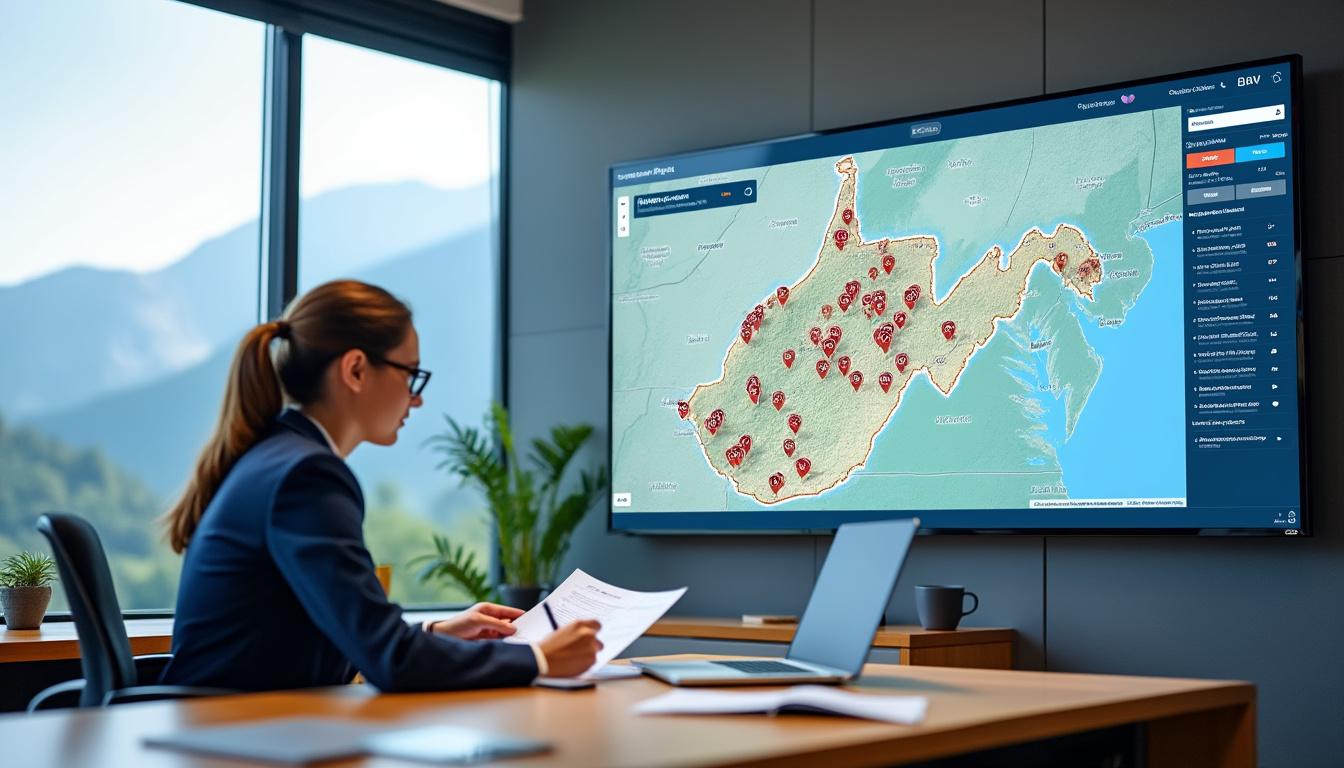
Step-by-Step Guide to the WV Unclaimed Property Claim Process
Claiming property in West Virginia involves several clearly defined steps designed to balance ease of access with secure ownership validation. The process begins with conducting an initial property search using tools such as the official WV unclaimed property search page. Here, individuals enter names and other identifying information to find potential matches in the database of unclaimed assets.
Once a potential property match is found, claimants proceed to verify and submit their claims via the official online portal or by mail. This claim process requires submission of proof of ownership, which varies depending on asset type. For example, claims for uncashed checks need a copy of the check or pay stub, while claims related to bank accounts may require photo identification and proof of address.
To illustrate, consider the claim of a West Virginia resident discovering unclaimed dividend payments from a forgotten brokerage account. The claimant must provide account statements, identification, and possibly notarized documentation to confirm ownership. The state’s diligent verification ensures that property claims are legitimate, protecting both claimants and the state from fraud. The entire submission procedure, as outlined on how to complete a claim, is free, transparent, and supported by clear instructions.
After claim submission, the West Virginia State Treasurer’s office reviews the forms and documents, often requesting additional information if needed. The claim’s approval timeline can last several weeks depending on complexity and volume of claims processed at any time. Approved claims result in direct payment or transfer of the unclaimed money or property to the rightful owner, concluding the property recovery journey.
The state strongly advises against using third-party finders or agents charging fees for property searches or claims, as the official service remains free. Fraudulent schemes can mislead people into paying unnecessary fees; therefore, verifying with the treasurer’s office is crucial for a safe claim experience. Additionally, claimants can track the status of their property claims through the website’s tracking features.
Effective property recovery is enabled by understanding each step’s requirements, timely submission of documents, adherence to instructions, and a patient approach. Case studies from WV unclaimed property success stories highlight recoveries ranging from small refunds of a few hundred dollars to multi-thousand-dollar inheritances, helping families and individuals improve their financial outlook unexpectedly.
Types of Unclaimed Assets Commonly Found in West Virginia and How to Identify Them
Unclaimed assets in West Virginia cover a broad range of financial and tangible property categories. Understanding these asset types provides clarity for potential claimants to know where to concentrate their search efforts and prepare appropriate documentation for claims.
Key categories of WV unclaimed property include:
- Uncashed Payroll Checks: Forgotten wages or final paychecks from employers that remain unclaimed often due to outdated addresses or employee relocation.
- Checking and Savings Accounts: Bank accounts closed or forgotten after extended inactivity.
- Stocks and Bonds: Dividends or share ownership that goes unclaimed due to lost contact with brokerage firms.
- Insurance Policy Proceeds: Life insurance payments or matured policies unclaimed after the policyholder’s death or relocation.
- Utility Deposits and Refunds: Deposits held by service providers due to unpaid bills or canceled accounts.
- Lottery Winnings: West Virginia lottery prize money unclaimed within the required time frame.
- Safe Deposit Box Contents: Personal property held in bank safe deposit boxes abandoned by owners over time.
Locating these assets often involves informed searching and knowledge of financial history. For instance, a retiree moving between states may ask employers or banking institutions about any dormant property. Family members managing estates frequently discover several forms of unclaimed assets during probate or after the passing of loved ones.
The lottery’s unclaimed prizes system helps explain how winnings that go uncollected revert to the state and can be claimed within deadlines. Some categories can be less evident—for example, safe deposit box contents—requiring legal procedures to access. Consequently, West Virginians benefit from comprehensive guides and assistance from the treasury on documentation needed per asset type.
The table below summarizes the common categories found and essential documentation typically required for claims:
| Unclaimed Asset Type | Typical Required Documentation | Notes |
|---|---|---|
| Uncashed Paychecks | Copy of paycheck or employment records | May require employer contact info |
| Bank Accounts (Checking/Savings) | Photo ID, proof of address, account statements | Proof of inactivity period may be requested |
| Insurance Proceeds | Policy documents, death certificate (if applicable) | Heir verification may be necessary |
| Stocks and Bonds | Brokerage account number, transaction history | Proof of ownership crucial |
| Utility Deposits | Account statements, ID | May require service provider contact |
| Lottery Prizes | Winning ticket, photo ID | Claim deadlines strictly enforced |
| Safe Deposit Box Contents | Proof of ownership, legal authorization | May take longer due to legal process |
Armed with this knowledge, claimants can systematically search and submit accurate claims, improving the odds of successful property recovery. Awareness of these categories is vital for maximizing access to unclaimed money in West Virginia.

Tips and Common Pitfalls in West Virginia Property Recovery Claims
The WV unclaimed property claim process, while designed to be user-friendly, comes with challenges that claimants must anticipate to navigate efficiently. Common mistakes often slow down or jeopardize the retrieval of unclaimed assets. Understanding these pitfalls can accelerate and simplify the claim journey.
One frequent issue stems from incomplete or inaccurate documentation. Because proof of ownership is central to any claim, submitting incorrect or insufficient paperwork can trigger delays or outright denials. For example, submitting a photo ID with the wrong address or failure to provide necessary bank statements prolongs verification. Claimants should carefully review requirements from the official FAQ on claims to ensure completeness.
Another challenge is misidentification due to name variations, especially for common names or changes after marriage. Searching with multiple name options, including middle names and initials, improves match rates. The official property search portal supports this flexibility to help claims find rightful matches quickly.
Fraud prevention awareness is critical. The WV State Treasurer’s office exclusively handles claims without involving paid third parties. Claimants should avoid offers from external agents promising to find unclaimed property for a fee. These scams exploit unaware individuals and can lead to loss of funds or personal data.
Case studies illustrate how patience and perseverance pay off. Take the example of a family in Charleston who discovered an unclaimed insurance payout for a deceased relative after multiple attempts using official channels. Their persistence allowed them to recover over $5,000 in unclaimed money which helped settle unexpected expenses.
A few practical tips for claimants:
- Always use the official WV unclaimed property platform for searches and claims.
- Prepare all required identification and documentation in advance to avoid delays.
- Use multiple variations of your name during property searches.
- Beware of third-party scammers charging fees; legitimate claims are free.
- Check the status of your claim regularly through official channels.
Alongside careful preparation, claimants benefit from patience during administrative processing times. The State Treasurer’s systems operate under strict legal frameworks which sometimes require thorough checks to uphold fairness and security. By maintaining awareness and following best practices, West Virginians can navigate WV unclaimed property claims with confidence.
Broader Impacts and Future Developments in West Virginia’s Unclaimed Property Management
West Virginia’s commitment to unclaimed property management not only reunites citizens with lost assets but also helps strengthen public trust in state financial stewardship. The consistent return of unclaimed money injects liquidity into local economies and can provide vital financial relief for families during challenging times. The ongoing outreach and education campaigns inspire more awareness, encouraging residents to actively search and claim their property.
Looking ahead, technological advancements promise further improvements in property recovery efficiency. Automation and AI-powered tools are being integrated to better match claims with owners, reduce human error, and accelerate processing speeds. Blockchain technology discussions even hint at future secure property tracking, enhancing transparency in the claim process.
Furthermore, West Virginia is collaborating with other states and financial institutions to streamline data sharing and uncover dormant accounts faster. These cross-jurisdictional efforts increase the chances for residents to discover unclaimed property originating from outside the state.
The legislative environment also adapts, with reforms aimed at simplifying claim procedures and extending protections for both claimants and property holders. Educational initiatives target younger generations to embed financial awareness early, emphasizing the importance of tracking and recovering unclaimed assets.
For those engaged in property recovery, these trends signal a more accessible and supportive framework in the coming years. West Virginia’s example illustrates how state-led initiatives, backed by technology and community engagement, can maximize financial reclamation opportunities while safeguarding the interests of the public.