
As the real estate industry charges ahead into a digital-first future, the role of property logging has become indispensable for effective real estate management. This evolving tool is reshaping how property owners, managers, and investors access, maintain, and utilize critical asset data. Beyond mere record-keeping, property logging integrates clearly defined maintenance records, asset tracking, and detailed documentation that collectively enhance property monitoring, support compliance, and optimize operational efficiency across all types of real estate.
In today’s complex market landscape, where every decision hinges on data-driven insights, property logging serves as the backbone of real estate analytics, empowering stakeholders to track their properties’ lifecycle, performance, and financial outcomes effectively. From residential suburbs to sprawling commercial complexes, the ability to centralize and digitally manage property information is redefining industry standards by reducing risks and unlocking new opportunities in investment optimization.
Whether it’s a developer preparing for project handover, a property manager juggling multiple portfolios, or an investor hunting for precise valuations, the advantages of a well-maintained property logbook are clear. It acts as a single source of truth for architectural plans, warranties, inspections, and vendor contacts, all accessible anytime through cloud-based platforms. This article will explore the depths of property logging, shedding light on both its operational and strategic benefits in modern real estate management.
Brief:
- Property logging is revolutionizing real estate management by consolidating crucial maintenance records, legal documents, and asset data into accessible digital logbooks.
- It significantly improves asset tracking and property monitoring, reducing compliance risks and facilitating timely maintenance actions.
- Real estate professionals leverage property logs for enhanced real estate analytics, enabling informed decisions that boost investment optimization.
- Cloud-based solutions are making property logbooks accessible and manageable for owners, tenants, managers, and contractors alike across all property types.
- Advanced logging practices are becoming a vital component of future-ready facility management and legal compliance frameworks within the real estate sector.
Foundations of Property Logging: Defining Its Role in Real Estate Management
At its core, property logging refers to the systematic documentation and digital record-keeping of every aspect related to a property’s condition, history, and regulatory compliance. This process extends far beyond simple physical logbooks; modern property logs are often hosted on cloud-based platforms, allowing seamless access and updates by various stakeholders including builders, property managers, tenants, and owners.
Property logbooks typically encompass a wide variety of information:
- Architectural and structural plans: From approved plans to as-built designs providing a blueprint history.
- Legal certifications: Building Approvals, Certificates of Occupancy, and other statutory documents.
- Maintenance and operation manuals: Detailed procedures and schedules for upkeep and repairs.
- Warranties and vendor contacts: Essential for managing service contracts and warranty claims efficiently.
- Environmental and safety reports: Including asbestos registers and compliance certifications.
This rich repository fosters transparency and accountability in managing real estate assets. For instance, during the sale of a residential or commercial property, providing access to the property logbook helps buyers evaluate the asset’s condition and maintenance history, significantly influencing their purchasing decision. It also forms a vital part of compliance with local legislation that mandates sharing certain property data with buyers or tenants.
Consider a property developer who delivers newly completed homes in a thriving suburb. By supplying a comprehensive digital property logbook, they ensure homeowners receive all relevant information for safe, sustainable maintenance, which builds trust and reduces post-sale disputes. Similarly, property managers managing large portfolios leverage these logs to track maintenance records and arrange timely interventions, improving tenant satisfaction and asset longevity.
The digital transformation of property logging has made it more accessible and scalable. Platforms like inndox enable real estate professionals to create, update, and share logbooks effortlessly, embedding branding for agents and facilitating communication cycles that keep owners and stakeholders connected. This integration between property data and real-time asset tracking is fast becoming a best practice for proactive facility management.
For a more detailed perspective on how logging reduces risks and enhances operational practices, explore how disciplined logging protocols transform real estate operations.
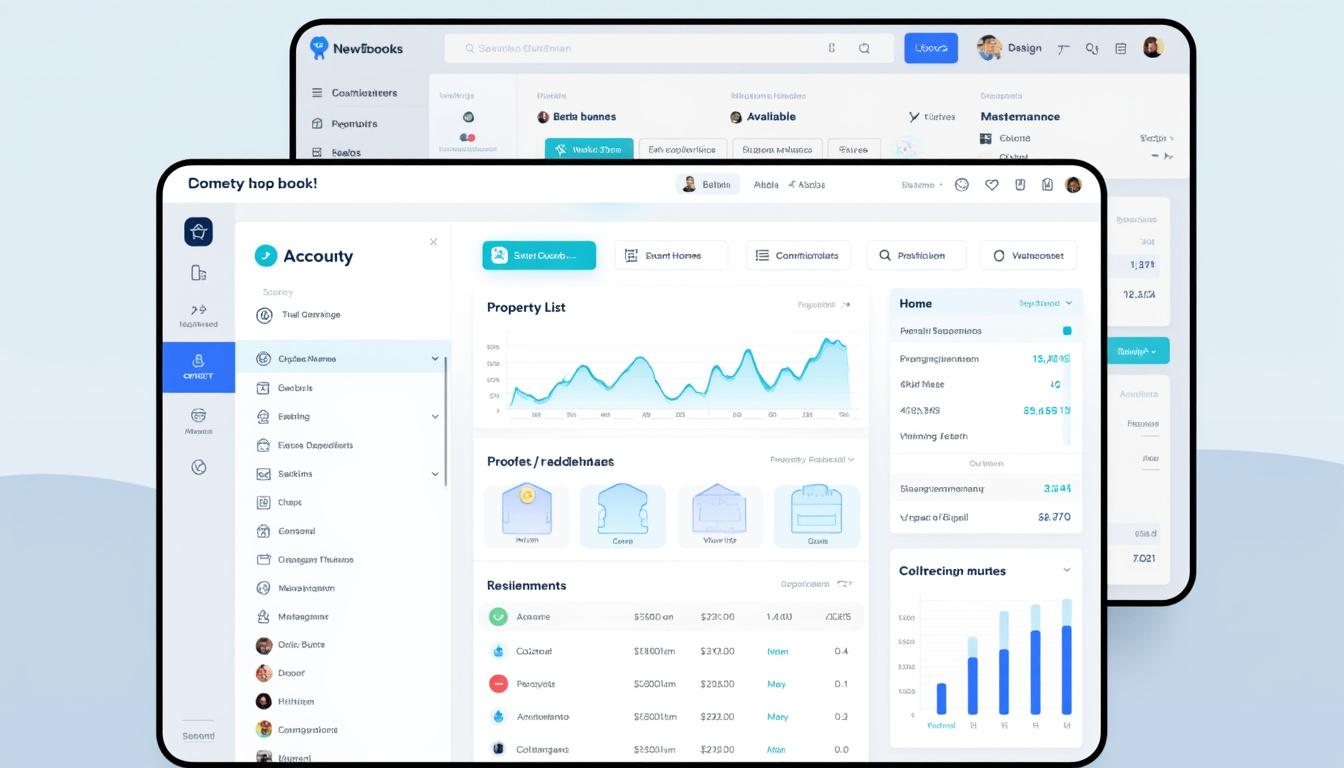
The Key Benefits of Property Logging for Enhanced Asset Tracking and Compliance
One of the most compelling reasons to adopt property logging lies in its ability to enforce rigorous asset tracking across a diverse range of properties. This continuous documentation mitigates lapses that could otherwise lead to costly maintenance failures or legal non-compliance. In 2026, more property professionals rely on these logs to guard against unexpected expenses and enhance asset valuation through transparent data trails.
By monitoring repairs, inspections, and warranty statuses through a shared logbook, property owners avoid redundant or missed maintenance activities, which often degrade property value. For example, a condominium association can use a collective property logbook to keep track of all planned electrical inspections and HVAC servicing, assigning roles and alerting contractors promptly. This organized approach reduces disruptions and cost overruns commonly associated with facility management.
Moreover, property logging strengthens data management practices by creating permanent digital archives accessible regardless of ownership transitions. When properties change hands, the existing logbook — usually transferred by the selling party or managing agent — provides newcomers with uninterrupted insight into the building’s history, warranties, and regulatory certificates. Such continuity facilitates smoother sales processes and lessens disputes over property conditions post-transfer.
Investors and portfolio managers also harness property logging to achieve superior real estate analytics. Sophisticated logbooks enable tracking historical trends in maintenance costs, evaluating the financial impact of renovations, and comparing performance metrics across properties. This data-driven oversight allows managers to prioritize investments that directly impact market value and tenant retention.
Here is a snapshot of typical benefits realized through comprehensive property logging:
| Benefit | Description | Impact on Real Estate Management |
|---|---|---|
| Maintenance Coordination | Centralized scheduling and tracking of upkeep tasks | Reduces emergency repairs and prolongs asset lifecycle |
| Compliance Assurance | Automated record-keeping of permits and safety checks | Minimizes legal risks and avoids fines |
| Ownership Transparency | Complete history transfer at property sale | Increases buyer confidence and smooths transactions |
| Data-Driven Decisions | Accessible analytics for cost and performance monitoring | Optimizes investment and maintenance spending |
In America’s competitive markets, where the average homebuyer is increasingly savvy, access to comprehensive maintenance histories and compliance documentation can significantly strengthen a property’s appeal. This trend is driving more agents and builders to adopt property logging solutions proactively.

How Property Logbooks Elevate Property Monitoring and Facilitate Investment Optimization
In the 2020s, high-level property management necessitates leveraging technology for consistent property monitoring. This means continuous oversight of building conditions, utility efficiencies, and warranty periods — all facilitated through a well-maintained property logbook.
Property logs assist landlords and managers by sending notifications and alerts about upcoming maintenance or warranty expirations, thereby preventing costly repairs or losses. For instance, imagine a property owner who receives an alert that the warranty on a newly installed HVAC system is due to expire in 30 days. Armed with this information, they can request repairs before coverage lapses, saving thousands in future expenses.
This proactive approach goes hand in hand with improved financial governance. Regular monitoring and record updates feed directly into investment evaluations, helping stakeholders make informed decisions about renovations, disposals, or expansion. Detailed property logs uncover hidden inefficiencies or aging systems that jeopardize asset values and tenant satisfaction.
Furthermore, property logging streamlines collaboration among all involved parties — owners, tenants, maintenance contractors, inspectors, and real estate agents. Shared access to relevant files enhances communication transparency, accelerates issue resolution, and supports compliant facility management practices.
Today’s property managers especially benefit from digital logbooks since these can be tailored to include:
- Lease agreements and tenant communications
- Entry condition and inspection reports
- Maintenance history and schedules
- Receipts, permits, and legal documentation
Such integration unifies asset tracking and operational workflows, elevating the quality of service delivered to tenants and investors alike. With property data centralized and up-to-date, managers can leverage real estate analytics tools to optimize rental yields and streamline the management process.
For more insights on the legal framework and operational protocols surrounding property logging in the US context, readers may consult property logging regulations and best practices tailored to American real estate markets.
Practical Implementation: Best Practices for Establishing and Maintaining a Property Logbook
Launching a comprehensive property logbook requires careful planning and ongoing commitment. Builders, developers, and real estate professionals have increasingly adopted digital platforms that simplify creation, organization, and continuous updating of property data.
Key steps to successfully implement property logging for any building include:
- Initial Data Collection: Gather all existing documentation such as blueprints, permits, approvals, and past maintenance records.
- Digital Setup: Choose a specialized property logbook solution that supports cloud storage with secure access controls and easy sharing functions.
- Stakeholder Integration: Provide access and training to owners, managers, tenants, and contractors to enable real-time updates and collaboration.
- Routine Updates: Establish protocols for continuous input of new data, including inspections, repair logs, and warranty claims.
- Periodic Audits: Conduct thorough reviews of logbook contents to ensure accuracy and compliance with evolving regulations.
It is important for each party involved to understand their role in contributing data effectively and ensuring the logbook remains current. In real estate transactions, agents and sellers commonly facilitate the transfer of property logbooks to new owners, enhancing trust and clarity throughout the buying process.
Many platforms extend additional functionality such as automated alerts for safety inspections, maintenance reminders, and warranty tracking, which further assist in ongoing asset care and regulatory compliance.
The advantages of implementing these best practices are numerous:
- Reduce operational risks through transparent and traceable data
- Improve tenant satisfaction by providing access to appliance manuals and maintenance schedules
- Streamline audits and legal compliance with automatic documentation updates
- Support long-term asset value preservation via planned maintenance and early defect detection
The growing recognition of property logging’s value in real estate management is evident from increased adoption rates of systems such as inndox and others, offering affordable entry points starting at $29/month. This makes advanced data tracking accessible not only to institutional investors but to individual homeowners and small rental operators.
Future Trends: The Evolution of Property Logging in the Age of Smart Homes and AI
Looking ahead, the trajectory of property logging is tightly coupled with technological innovation and regulatory developments. As smart home technologies and AI integration become ubiquitous, property logbooks will evolve into dynamic, interactive management tools.
Voice-activated devices such as Alexa and Google Home are already beginning to interface with building systems, enabling owners and managers to query maintenance status or schedule services verbally. When merged with accurate and real-time property log data, these technologies can automate many routine tasks, making property monitoring more efficient than ever.
Blockchain technology also promises to transform property logging by enhancing data security, ownership authentication, and transparent transaction histories. This could be a game-changer in minimizing fraud and ensuring the integrity of property records over time.
The importance of property logging will only intensify, as regulations tighten worldwide, requiring more comprehensive disclosure and evidence of upkeep. The role of data analytics will expand beyond mere record-keeping, guiding strategic investment decisions, repair prioritization, and environmental sustainability efforts.
Ultimately, the future of property logging points towards intelligent ecosystems that connect owners, tenants, service providers, and regulatory bodies seamlessly. Those who embrace these advancements will reap substantial gains in operational efficiency, asset protection, and market competitiveness.
To see a practical demonstration of how property logbooks operate in today’s industry-leading platforms and visualize their capabilities, you can request a free demo at inndox’s official site.