
In Flagler County, the landscape of real estate valuation is shaped profoundly by the role of the Property Appraiser. As the backbone of local property assessments, the office ensures that each property’s market value is fairly and impartially determined, laying the groundwork for accurate property taxes and contributing vitally to the financial health of the county government. Heading into 2026, this office continues to navigate evolving real estate trends, legislative adjustments, and technological advancements that refine the appraisal process.
Understanding the duty and scope of the Flagler County Property Appraiser reveals the mechanics behind property taxation and ownership transparency. From residential homes in suburban neighborhoods to commercial buildings, every property undergoes an assessment that reflects current market realities. These values are foundational, influencing not only the annual tax bills that residents receive but also informing public records that stakeholders—from homeowners to investors—rely upon. As the local population grows and real estate patterns shift, the appraiser’s role becomes increasingly significant and multifaceted.
Brief:
- The Flagler County Property Appraiser establishes fair market values for all properties, crucial for accurate tax assessments.
- The office does not levy or collect taxes but provides essential data for tax authorities to determine millage rates.
- The 2026 appraisal process involves rigorous methodologies including sales, income, and cost approaches, reflecting the diversity of property types in the county.
- Residents receive an annual TRIM notice detailing taxable values and proposed tax rates, empowering informed financial planning.
- Online tools and public records enable property owners and investors to access detailed property information and certifications on valuations.
The Comprehensive Duties of the Flagler County Property Appraiser in 2026
The Flagler County Property Appraiser’s office serves as an impartial cornerstone in the local real estate ecosystem. Unlike taxing authorities or tax collectors, the appraiser’s mandate is clearly focused on assessing property values to create a fair tax roll. This role, legislatively outlined and driven by state law, centers on assigning accurate market valuations on all taxable properties within Flagler County. Whether it’s a single-family home, a sprawling commercial lot, or vacant land, each parcel must be reassessed regularly to reflect market conditions as of January 1st each year.
One of the most important facets of the office’s work involves administering tax exemptions. For example, homestead exemptions, which provide relief to permanent residents, must be processed efficiently and fairly. The appraiser diligently reviews applications to ensure compliance while aiming to uphold transparency and integrity throughout. Furthermore, the office carries out property inspections systematically, with a statutory requirement to examine every property at least once every five years. This ensures ongoing accuracy in the property assessment process and guards against discrepancies that could lead to unfair tax burdens.
James « Jay » Gardner, Jr., who has been serving as the Property Appraiser since 2005, embodies a commitment to professional service and fairness. Under his leadership, the office has embraced technological enhancements and public engagement initiatives that offer greater clarity for property owners. For instance, taxpayers receive a Truth in Millage (TRIM) notice annually in August containing detailed information on their property’s taxable value, the proposed millage rates from various taxing authorities, and the potential tax obligation. This transparent communication underlines the vital role of the appraiser in bridging the gap between county financial demands and citizen awareness.
To streamline property data access, the Flagler County Property Appraiser’s office has developed a user-friendly online portal. Here, stakeholders can conduct a thorough property search by inputting various identifiers such as address, owner name, parcel number, or legal description. This tool provides a comprehensive snapshot including owner information, valuation history, recent sales data, and even area sales reports. This database not only promotes transparency but also arms investors, real estate agents, and homeowners with necessary information for due diligence in transactions and investment planning.
Advanced Appraisal Methodologies Underpinning Fair Property Valuation
In 2026, the Flagler County Property Appraiser employs an array of sophisticated appraisal techniques to ensure every property’s value reflects its true market worth. There are three main approaches used during the appraisal process: the sales comparison approach, the cost approach, and the income approach. Each method serves a particular purpose depending on the property type and market nuances.
The sales comparison approach is the most commonly applied method for residential and many commercial properties. This process involves analyzing recent sale prices of similar properties within the same locale, with adjustments made for differences such as size, condition, and amenities. For example, a property owner in Bunnell looking to understand their home’s valuation might observe similar homes sold nearby to grasp market trends that influence their property’s assessed value.
The cost approach estimates the value by calculating how much it would cost to replace or reproduce the property at current prices, less depreciation. This is particularly relevant for unique properties or new constructions where comparable sales data may be sparse. By evaluating construction costs, materials, and local labor rates, the appraiser delivers an objective valuation that accounts for the physical characteristics and age of a property.
For commercial properties, the income approach comes into play. This method assesses the potential income a property could generate if rented, translating that income into an assessed value by factoring in expenses, vacancy rates, and capitalization rates. For instance, an investor owning retail space in Flagler County would see their property valuation tied closely to rental income streams and market demand, providing a pragmatic reflection of economic value.
The process is reinforced by the requirement for periodic property inspections and rigorous data collection to verify details on property condition and usage. These methodological layers allow for a balanced valuation framework that guards against arbitrary or inflated assessments, ensuring equity across neighborhoods and property classes.
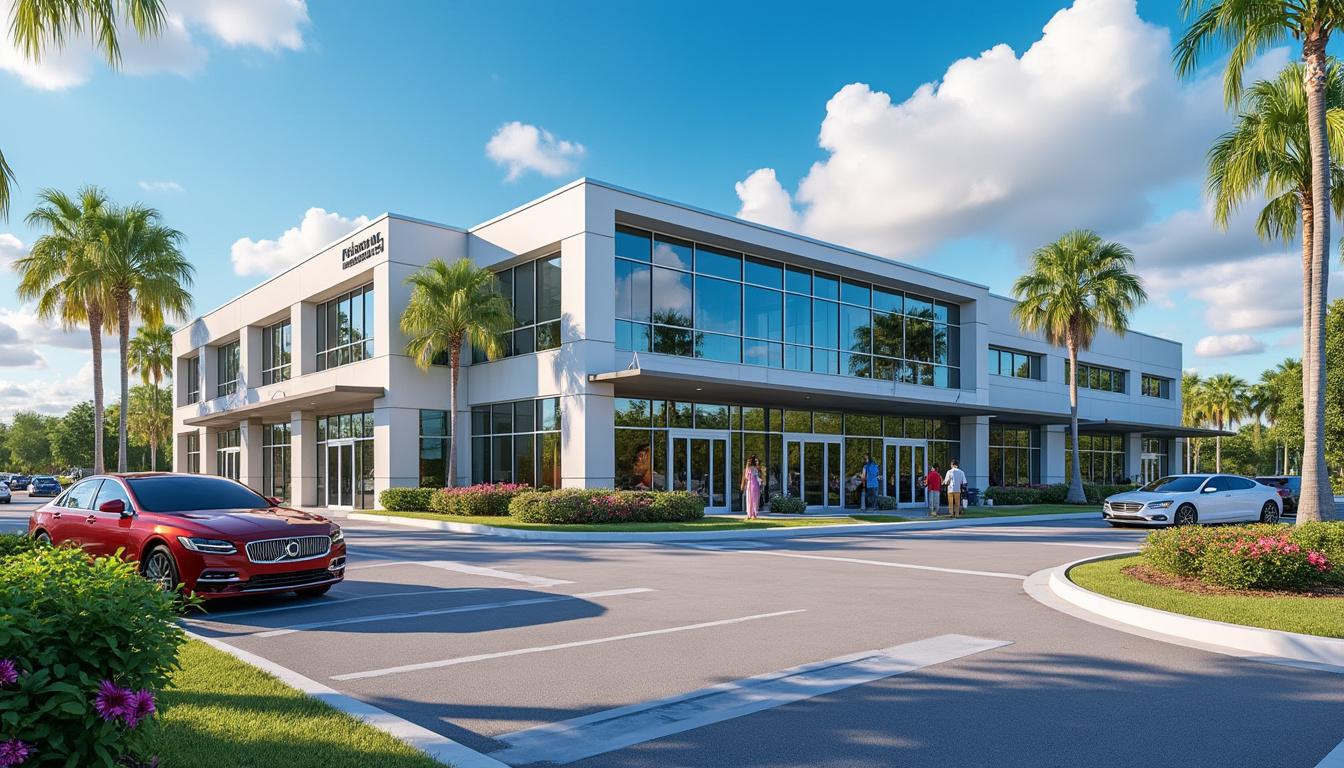
How Property Tax Assessments and the Taxing Authorities Interface in Flagler County
While the Flagler County Property Appraiser is pivotal in determining the market value of properties, the actual tax levying and collection are responsibilities held by different county entities. Understanding this distinction is crucial for residents navigating property tax bills. The Property Appraiser’s office certifies the tax roll by confirming the valuations and exemptions, which is then submitted to the Tax Collector.
The county’s taxing authorities—such as the school district, county commissioners, and various municipal entities—use these certified values to set millage rates annually based on budget needs. Millage rates determine the amount of tax paid per $1,000 of taxable value. Properties in Flagler County may be subject to multiple taxing bodies, all adding layers to the final property tax bill sent to homeowners.
In August, when residents receive the Truth in Millage (TRIM) notice, they gain insights into not only the assessed value but also the proposed tax rates and estimated tax amounts from different authorities. This notice is instrumental in helping taxpayers understand how their property’s assessed value translates into their financial obligations for the year.
Maintaining up-to-date public records regarding tax assessments facilitates community trust and transparency. Property owners can verify their assessments online, challenge values if discrepancies appear, and track historical assessments for their properties. Such accountability mechanisms ensure the tax assessment system operates fairly, reflecting both market conditions and statutory tax reliefs. For more in-depth guidance on the tax process, Flagler County residents often turn to resources including the county’s official Property Appraiser FAQs and property tax collector services.
Tools and Services for Residents: Navigating Public Records and Online Access in Flagler County
The digital transformation in county government has markedly changed how Flagler County property owners interact with the Property Appraiser’s services. The office maintains a comprehensive digital platform that serves as a hub for public records and property data. Through this platform, users can access a broad spectrum of information ranging from ownership details to transactional histories and appraisal data.
Using the property search functionality, residents can enter various parameters to find detailed real estate valuation reports, including parcel summaries, tax exemptions, and appraisal notices. This feature is especially valuable for prospective buyers and real estate investors conducting due diligence, as well as for current property owners seeking clarity on their property’s assessed value.
Additionally, the office offers an interactive experience for residents to update mailing addresses, request exemptions, and submit questions directly through the Contact Us page. The emphasis on customer service is evident from the responsive communications and professional approach championed by James Gardner’s administration.
Flagler County has also embraced community engagement initiatives through social media, notably its active presence on platforms like Facebook where updates about appraisal news, deadlines, and educational materials are regularly posted. This openness fosters a sense of informed citizenship and strengthens trust in the appraisal process.
Below is a summary of key resources and services provided by the Flagler County Property Appraiser:
- Online property search for detailed valuation and ownership information
- Annual TRIM notices with clear tax assessment data
- Application processing for tax exemptions, including homestead relief
- Regular property inspection and reappraisal cycles
- Direct communication channels for taxpayer support and inquiries
- Educational outreach through social media and public updates

Understanding the Impact of Property Appraisal on Real Estate Markets and Investment Decisions
The precise and equitable valuation of real estate properties by the Flagler County Property Appraiser impacts a broad spectrum of stakeholders beyond local government finances. Homeowners, buyers, investors, and real estate professionals pay close attention to assessments as they influence market dynamics and investment viability.
For instance, a well-assessed property value facilitates accurate market comparisons, assisting agents and buyers in making informed offers. The real estate valuation data stored within public records acts as a foundation for establishing fair market prices, reducing uncertainty for investors. In this sense, understanding the appraisal findings can prevent overpaying or undervaluing properties.
Investors in rental properties use valuations aligned with the income-producing potential of commercial buildings or multi-family units to evaluate the return on investment. These assessments directly connect to concepts like after repair value (ARV), a key metric in investment decision-making. For deeper insights into real estate investment strategies connected to property valuation, resources such as what is ARV in real estate offer valuable explanations.
Moreover, the transparency and access provided by the Property Appraiser’s office allow stakeholders to monitor market trends and anticipate tax impacts before purchase or sale. This foresight can be crucial in competitive real estate markets or when house flipping, renting, or expanding portfolios.
In summary, the Flagler County Property Appraiser plays an essential role that transcends mere valuation — it underpins the economic health, market transparency, and investment climate of the county. Through diligent assessment and accessible information services, the office supports stakeholders across the real estate spectrum in 2026 and beyond.
Exploring the detailed appraisal process reveals the technical rigor and fairness underpinning property valuations that shape Flagler County’s property taxes.
A broader look at how property tax assessments operate across Florida counties provides context for Flagler County’s approach and its alignment with statewide standards.